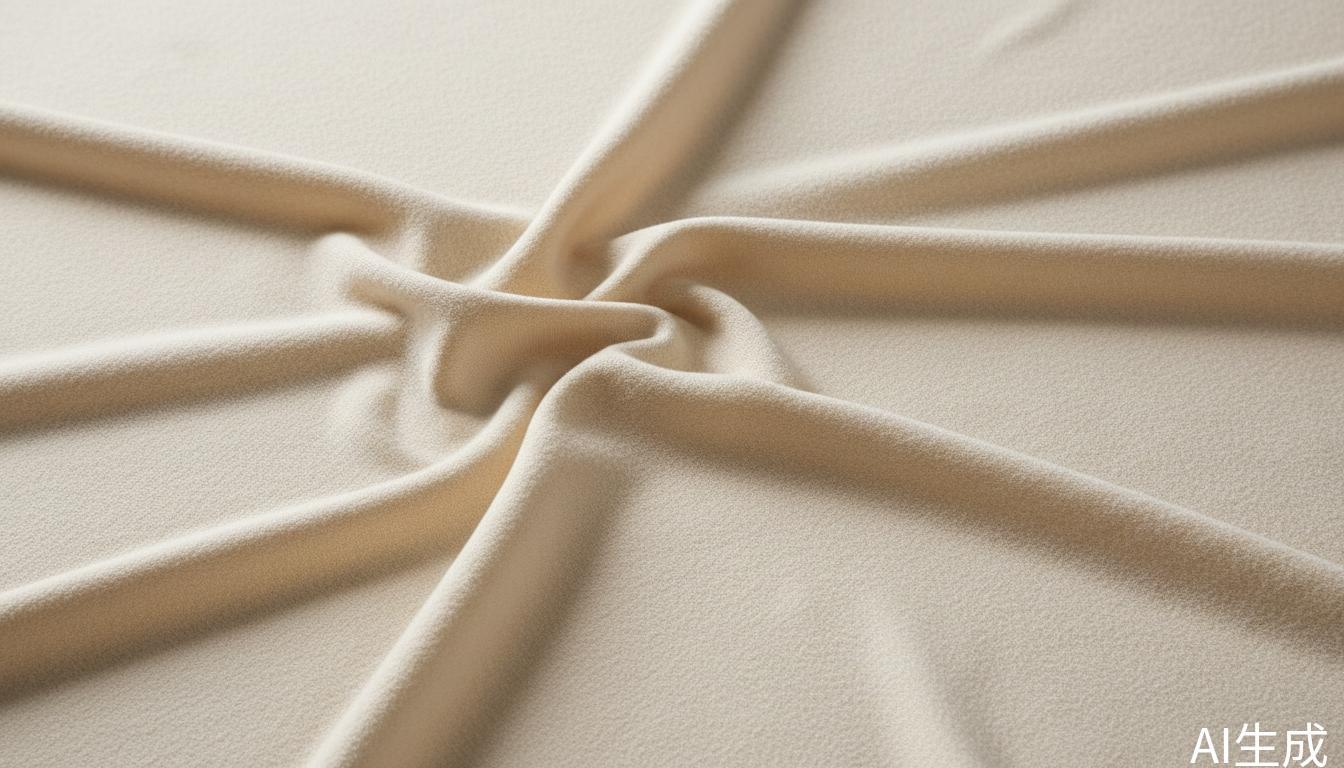
Single Jersey vs Interlock Fabric Difference: Structure, Weight, and End-Use Comparison
Choosing between single jersey and interlock knit fabric comes down to one core trade-off: single jersey offers lightweight breathability and drape, while interlock provides double-faced stability, better recovery, and a heavier hand. For a sourcing manager or fabric developer, the decision hinges on the garment’s end-use, desired weight, and performance requirements. This guide breaks down the structural differences, weight ranges, stretch and recovery, pilling resistance, and typical applications, so you can spec the right fabric with confidence.
What Is Single Jersey Knit Fabric?
Single jersey is a weft-knit fabric with visible V-shaped loops on the face and horizontal ridges on the back, produced on a single-needle-bed circular knitting machine. Its defining characteristic is edge curling, which occurs because the face and back have different tensions; this must be accounted for in cutting and sewing. Single jersey is typically lighter and more breathable than interlock, making it a go-to for warm-weather garments.
In practice, single jersey is the workhorse of knit fabrics. It is used for T-shirts, tank tops, underwear, lightweight dresses, and activewear where airflow and moisture management are priorities. Its drape is fluid and body-conscious, which suits fitted silhouettes. However, because it is a single layer, it offers less structure and can be prone to curling at raw edges, requiring careful handling during garment assembly—often solved with ribbed trims or hemming.
From a sourcing perspective, single jersey is widely available and cost-effective, but quality varies with yarn count and knitting tension. A well-constructed single jersey should have uniform loops, minimal skew, and consistent GSM. For buyers, specifying the exact weight (e.g., 180–220 GSM for classic T-shirts) and composition (e.g., 100% combed cotton or cotton-spandex blends) is critical to achieving the desired hand feel and performance.
What Is Interlock Knit Fabric?
Interlock is a double-knit fabric made by interlocking two single jersey structures on a double-needle-bed machine, resulting in a thicker, more stable fabric that does not curl at the edges and has a smooth face on both sides. This construction gives interlock a more substantial hand and better shape retention compared to single jersey. It is often chosen for garments that require structure, warmth, and a premium feel.
Typical end-uses for interlock include polo shirts, dresses, cardigans, baby clothing, and heavier-weight tops. Because it is double-faced, interlock is reversible, which simplifies garment construction and reduces the need for edge finishing. Its tighter structure also makes it more resistant to pilling and deformation, which is why it is favored for high-wear items like children’s wear and everyday basics.
For buyers, interlock’s weight typically falls in the higher end of the 180–360 GSM range, though lighter interlocks exist for specific applications. The fabric’s stability makes it easier to cut and sew, reducing waste and production time. However, interlock is generally more expensive than single jersey due to higher yarn consumption and slower knitting speeds. When sourcing, consider that interlock’s double-layer construction requires more raw material, which impacts cost and lead times.
Key Differences: Structure, Weight, and Performance
The fundamental differences between single jersey and interlock lie in their structure, which drives weight, stretch, recovery, pilling resistance, and breathability. Interlock is essentially two single jerseys knitted together, making it heavier and more stable, while single jersey is a single layer that is lighter and more breathable. The table below summarizes these contrasts.
| Property | Single Jersey | Interlock |
|---|---|---|
| Structure | Single layer, one needle bed | Double layer, two needle beds interlocked |
| Edge curling | Curls at edges | Does not curl |
| Face/back appearance | V-loops on face, ridges on back | Same smooth appearance on both sides |
| Weight range | Typically 180–220 GSM (lighter) | Typically 220–360 GSM (heavier) |
| Stretch | Good stretch, but recovery is moderate | Good stretch with better recovery |
| Pilling resistance | Lower due to looser structure | Higher due to tighter structure |
| Breathability | Higher | Lower |
| Durability | Less durable, prone to curling | More durable, shape-retentive |
| Typical end-uses | T-shirts, tank tops, underwear, lightweight dresses | Polo shirts, dresses, cardigans, baby clothing |
Weight is a key differentiator: for the same yarn count, interlock is roughly 1.5 to 2 times heavier than single jersey because of its double-layer construction. For example, a 40s combed cotton single jersey might weigh around 180 GSM, while an interlock of the same yarn count could be 240–280 GSM. This weight difference directly affects garment warmth and drape.
Stretch and recovery also differ. Both fabrics have good stretch due to their knit structure, but interlock’s interlocked loops provide better recovery, meaning it returns to its original shape after stretching. This makes interlock ideal for garments that need to hold their shape, such as fitted polo shirts or baby rompers. Single jersey, on the other hand, may sag or lose shape over time, especially in areas of high stress.
Pilling resistance is another critical factor. Interlock’s tighter, more compact structure reduces friction and fiber migration, making it more resistant to pilling. Single jersey, with its looser surface, is more prone to pilling, especially in blends with synthetic fibers. For garments that will undergo frequent washing and wear, interlock is often the safer choice.
Breathability is where single jersey excels. Its single-layer construction allows more air circulation, making it cooler and more comfortable in hot climates. Interlock, being thicker, traps more heat, which is beneficial for cooler weather but can be uncomfortable in summer. For activewear, single jersey with moisture-wicking finishes is preferred, while interlock is better for outerwear or garments requiring insulation.
End-Use Comparison: Which Fabric for Which Garment?
Choosing between single jersey and interlock depends on the garment’s intended use, desired weight, and performance needs. Single jersey is best for lightweight, breathable garments, while interlock suits structured, warmer pieces. Below is a practical guide to match fabric to garment type.
Single jersey is the default for T-shirts, tank tops, and underwear. Its lightweight nature (180–220 GSM) and breathability make it ideal for summer wear and layering. It also drapes well, which is why it is used for casual dresses and skirts. For activewear, single jersey with spandex (e.g., 85/15 cotton-spandex) provides stretch and recovery, though it may not offer the same shape retention as interlock.
Interlock is preferred for polo shirts, dresses, cardigans, and baby clothing. Its heavier weight (220–360 GSM) provides more structure and warmth, making it suitable for cooler seasons. The fabric’s stability and lack of curling simplify garment construction, which is why it is often used for garments with clean finishes, such as baby onesies or premium polo shirts. Interlock’s smooth surface on both sides also makes it a good canvas for prints and embroidery.
For garments that require both breathability and structure, such as a summer cardigan, a lighter interlock (around 220 GSM) might be a compromise. Conversely, a heavyweight single jersey (up to 220 GSM) can be used for more structured T-shirts. The key is to align the fabric’s properties with the garment’s functional requirements.
When developing a new line, consider the season, target market, and care instructions. For example, a children’s clothing line might favor interlock for its durability and pilling resistance, while a basic T-shirt line would use single jersey for cost and comfort. Always request samples to test hand feel, drape, and performance before committing to bulk production.
Sourcing Considerations from a Factory Perspective
When sourcing single jersey or interlock, working with a factory that offers both and has integrated production ensures quality and consistency. YXX FABRIC, a Guangzhou-based knit fabric manufacturer with 15 years of experience, operates factory-direct with own knitting, dyeing, and finishing across three integrated plants. They offer fabric weights from 180 to 360 GSM, covering both single jersey and interlock.
YXX FABRIC’s capabilities include 200+ circular knitting machines, an in-house dye house, and an in-house finishing plant, allowing for tight control over quality and lead times. Their monthly capacity of 1,000 tons and service to 200+ global brands indicate reliability at scale. Certifications such as OEKO-TEX Standard 100 and ISO 9001 ensure compliance with international standards, which is crucial for brands targeting European and North American markets.
Lead times are a critical factor in sourcing decisions. YXX FABRIC offers sampling in 15–30 days and bulk production in 35–45 days, which is competitive for custom development. Their MOQ is 500 kg per color and 2,000 kg per order, which may be higher than some small brands expect, but it is standard for factory-direct pricing and quality control. A 5-step QC process with AQL 2.5 ensures that fabric meets specifications, reducing the risk of defects.
When evaluating suppliers, ask for detailed spec sheets, including GSM, composition, and shrinkage data. Request pre-production samples to verify color and hand feel. Also, consider the factory’s ability to handle blends like cotton-poly or cotton-spandex, which affect performance. A supplier that can guide you on the right fabric for your product is invaluable.
Conclusion: How to Choose Between Single Jersey and Interlock
To choose between single jersey and interlock, start by defining your garment’s end-use: if you need lightweight breathability, choose single jersey; if you need structure and warmth, choose interlock. Then, consider weight requirements—interlock is generally heavier and more stable, while single jersey is lighter and more fluid. Factor in edge curling, pilling, and recovery needs: interlock wins on stability and pilling resistance, while single jersey offers superior breathability.
Work with a supplier that can provide both options and guide you based on your product specs. A reputable manufacturer like YXX FABRIC can offer samples and technical advice to help you make an informed decision. By aligning fabric properties with your garment’s requirements, you can ensure customer satisfaction and reduce returns.
Ready to source single jersey or interlock for your next line? Contact YXX FABRIC for samples and quotes, and leverage their 15 years of expertise to find the perfect fabric for your product.
References
- YXX FABRIC – Knit Fabric Manufacturer
- Interlock vs Jersey Knit Fabric
- Cotton Jersey Fabric Guide
- Knit Fabric Selection by Garment Category
- Single Jersey vs Interlock Fabric: Key Differences and When to Use
- Rib Knit Fabric: Types, Uses, and Sourcing Guide
- Knit Fabric Basics: Weft and Warp Classification