280 GSM Double Jersey Interlock Fabric Supplier: Sourcing from China vs. India
When sourcing 280 GSM double jersey interlock fabric from a supplier, China generally offers faster lead times, more standardized quality control, and a more integrated supply chain, while India may provide cost advantages in raw materials but with potentially longer lead times and variable quality. This guide compares the two sourcing destinations to help you make an informed decision.
Understanding 280 GSM Double Jersey Interlock Fabric
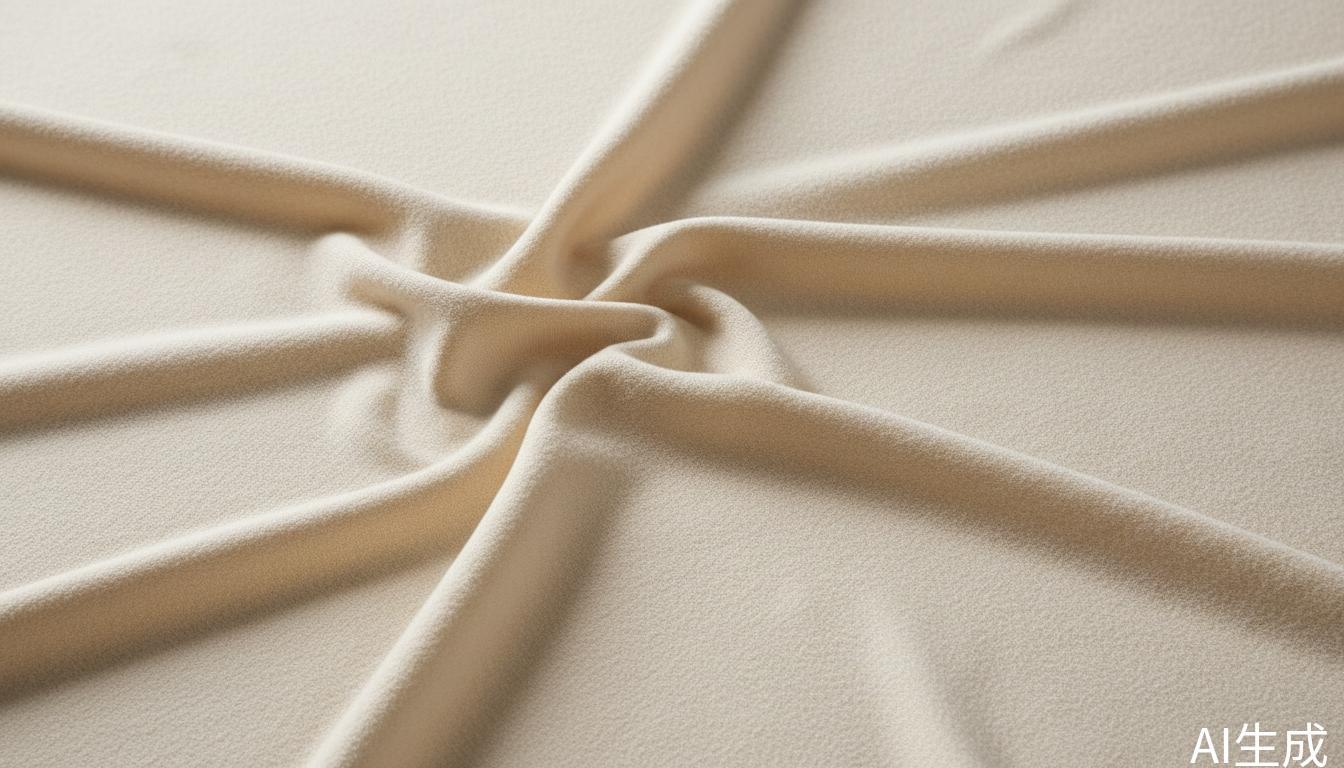
280 GSM double jersey interlock fabric is a heavyweight knit with a smooth surface and good drape, ideal for hoodies, sweatshirts, and outerwear. GSM (grams per square metre) measures fabric weight; lighter fabrics (120-150 GSM) suit t-shirts, while heavier (240-360 GSM) are used for hoodies. At 280 GSM, this fabric sits in the mid-to-heavy range, providing warmth and structure for cooler weather garments.
Double jersey interlock is created by interlocking two layers of jersey knit, resulting in a thicker, more stable fabric that doesn’t curl at the edges. This construction gives it a smooth face and reverse, making it suitable for garments where both sides may be visible. The fabric’s weight and drape make it a popular choice for premium hoodies, sweatshirts, and jackets.
When sourcing this fabric, buyers should consider the end use: 280 GSM offers a balance between warmth and flexibility, suitable for spring/autumn outerwear or heavyweight t-shirts. The fabric’s composition—whether 100% cotton or a cotton-poly blend—affects its performance, with blends offering better moisture management and durability.
Sourcing from China: Strengths and Considerations
China, particularly Guangzhou, is a mature textile hub with integrated supply chains, offering efficiency and scale. Chinese suppliers often provide factory-direct pricing and comprehensive services, including sampling and quality control. For 280 GSM double jersey interlock, Chinese manufacturers typically have lead times of 35-45 days for bulk production and 15-30 days for sampling. MOQs are often higher—around 500 kg per color and 2,000 kg per order—but are negotiable.
Quality control in China is rigorous, with many suppliers adhering to AQL 2.5 standards and implementing multi-step QC processes. Certifications like OEKO-TEX Standard 100 and ISO 9001 are common among established suppliers, ensuring compliance with international standards. The integrated nature of Chinese factories—from knitting to dyeing and finishing—reduces coordination delays and ensures consistent quality.
However, buyers should be aware of potential challenges: higher MOQs may not suit small-batch needs, and communication can sometimes be a barrier if the supplier lacks English-speaking staff. Additionally, while China’s logistics are efficient, shipping costs to Europe or North America can be higher than from India, depending on routes and fuel prices.
Sourcing from India: Strengths and Considerations
India has a strong textile tradition, particularly in cotton and knitwear, with hubs like Tiruppur. Indian suppliers may offer competitive pricing for cotton-based fabrics due to domestic cotton production. For 280 GSM double jersey interlock, Indian suppliers may provide lower MOQs for flexibility, but lead times can be longer—often exceeding a month for bulk production—due to less integrated supply chains.
Quality control in India is improving, but consistency can vary among suppliers. While some have OEKO-TEX certification, not all do, so buyers must verify compliance. Logistics to Europe may be longer compared to China, depending on shipping routes, but India’s proximity to Europe can sometimes offset this.
Cost-wise, India may offer advantages in raw material costs, but total landed cost must include freight, duties, and potential delays. Tariffs and trade agreements also play a role; for example, preferential trade schemes may reduce duties on Indian goods, but this varies by product and country.
Head-to-Head Comparison: China vs. India
The table below summarizes key sourcing factors for 280 GSM double jersey interlock fabric from China and India.
| Factor | China | India |
|---|---|---|
| Lead Time (bulk) | 35-45 days | 45-60 days |
| Sampling Time | 15-30 days | 20-35 days |
| MOQ | 500 kg/color, 2,000 kg/order | Often lower, negotiable |
| Quality Control | Standardized, AQL 2.5 common | Variable, improving |
| Certifications | OEKO-TEX, ISO 9001 common | Available but not universal |
| Logistics to Europe | Varies by route | Varies by route |
| Cost Structure | Higher labor, but integrated | Lower raw material, but less integrated |
China generally offers faster lead times and more standardized quality control, while India may provide cost advantages in raw materials but with longer lead times and variable quality. Logistics costs and transit times to major markets should be evaluated on a case-by-case basis, considering tariffs and trade agreements.
How to Evaluate and Choose a Supplier
When comparing suppliers from China and India, follow a structured evaluation process:
- Request samples and conduct lab tests for GSM, shrinkage, colorfastness, and pilling. Ensure the sample matches your specifications.
- Verify certifications (OEKO-TEX, ISO) and request compliance documentation. Check if the supplier has valid certificates.
- Assess communication and responsiveness. A reliable partner is crucial for smooth order management.
- Consider visiting the factory or conducting a virtual audit to assess production capabilities and quality control.
- Compare total cost including freight, duties, and potential delays. Use a total landed cost calculator.
- Check references and reviews from other buyers. Ask for client testimonials or case studies. By following these steps, you can mitigate risks and select a supplier that meets your quality, cost, and timeline requirements.
Why YXX Fabric is a Strong China-Based Option
YXX Fabric, a knit fabric manufacturer in Guangzhou, exemplifies the strengths of Chinese sourcing. With 15 years of experience, YXX operates a factory-direct model with integrated knitting, dyeing, and finishing operations across a 30,000 m² facility. Equipped with 200+ circular knitting machines, YXX has a monthly capacity of 1,000 tons, serving 200+ global brands.
YXX offers a range of compositions including 100% combed cotton and cotton-poly blends, with weights from 180-360 GSM, covering the 280 GSM requirement. The company holds OEKO-TEX Standard 100 and ISO 9001 certifications, ensuring compliance with international standards. Lead times are 15-30 days for sampling and 35-45 days for bulk production, with an MOQ of 500 kg per color and 2,000 kg per order. A 5-step QC process with AQL 2.5 ensures consistent quality.
For buyers seeking a reliable China-based supplier, YXX provides a comprehensive solution with transparent processes and proven track record.
References
- Fabric GSM Guide: Weight Selection
- Interlock vs Jersey Knit Fabric
- Knit Fabric Supplier China Guide
- Reddit Discussion on 280 GSM Double Jersey Interlock
- Knit Fabric Basics: Weft and Warp Classification For sourcing inquiries, contact YXX Fabric to request samples or discuss your 280 GSM double jersey interlock requirements. Our team is ready to provide detailed specifications and quotes.