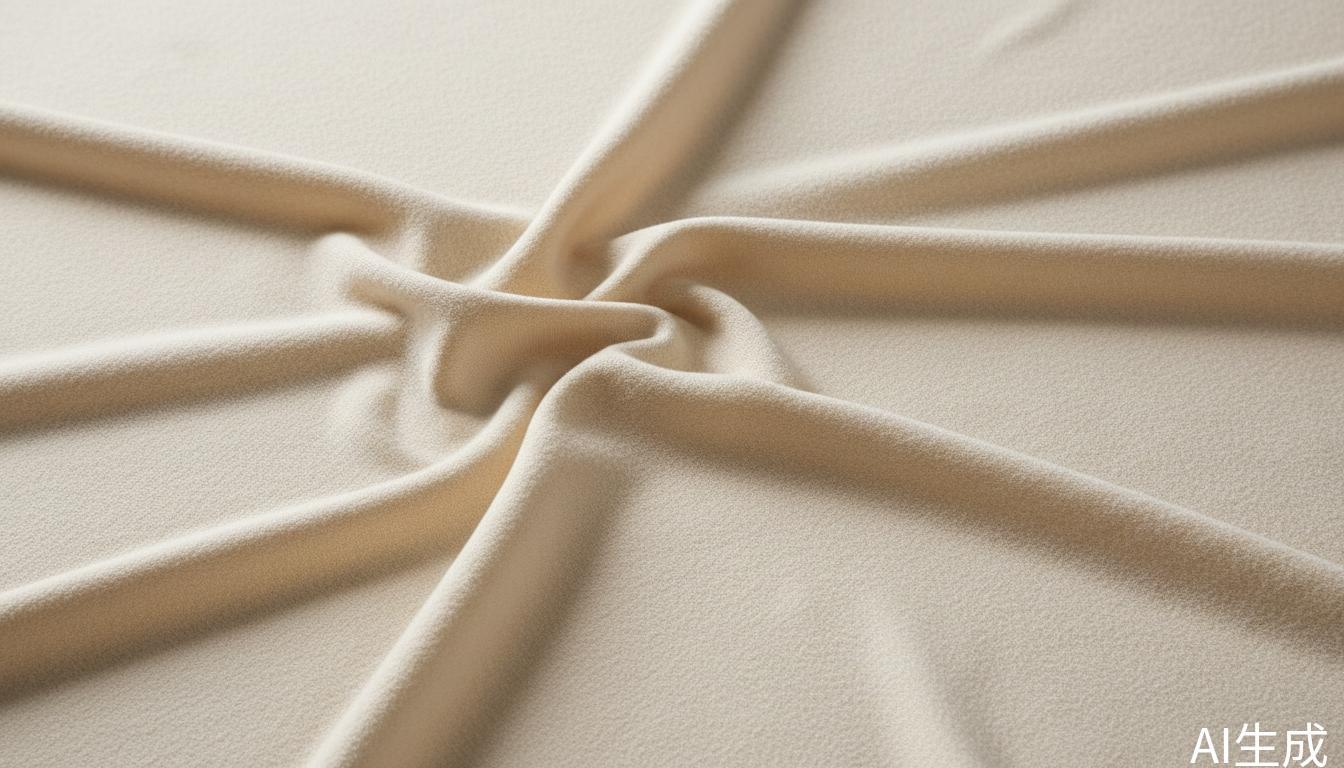
Rib Knit Fabric: Types, Uses, and How to Spec It for Trims and Garments
Rib knit fabric is a weft-knit structure defined by alternating knit and purl stitches that create vertical ribs. It offers high elasticity in the width direction and excellent recovery, making it the go-to choice for cuffs, collars, waistbands, and full garments that require stretch and shape retention. For sourcing professionals, understanding the types, specifications, and quality control measures is essential to select the right rib knit for your application.
What Is Rib Knit Fabric?
Rib knit fabric is a weft-knit structure produced on circular knitting machines with specific needle arrangements that create alternating knit and purl stitches. This construction forms vertical ribs on both sides of the fabric, giving it a distinct textured appearance and superior stretch compared to other knits. The elasticity is primarily in the width direction, and the fabric recovers well after stretching, which is why it is widely used for garment trims and form-fitting apparel.
Unlike jersey, which curls at the edges, rib knit lies flat and does not curl, simplifying cutting and sewing. The fabric’s structure also provides good insulation due to the air pockets created by the ribs. Common variations include 1x1, 2x2, 3x3, and 4x4 rib, each offering different stretch, thickness, and recovery properties. For a deeper understanding of knit fabric basics, see our guide on knit fabric basics: weft vs warp classification.
Types of Rib Knit Fabric and Their Characteristics
Rib knit types are defined by the number of knit stitches followed by purl stitches in the pattern. The most common are 1x1, 2x2, 3x3, and 4x4 rib, each with distinct properties suited for different end uses. The table below summarizes their key differences.
| Rib Type | Stretch & Recovery | Thickness | Typical Applications |
|---|---|---|---|
| 1x1 rib | High stretch, excellent recovery | Lightweight | T-shirt collars, cuffs, lightweight garments |
| 2x2 rib | Moderate stretch, good recovery | Medium | Sweatshirt cuffs, collars, waistbands |
| 3x3 rib | Lower stretch, firm recovery | Heavy | Outerwear cuffs, structured garments |
| 4x4 rib | Minimal stretch, very firm | Extra heavy | Jacket waistbands, heavy-duty trims |
At yxxfabric.com, we offer 27 rib & stretch knit styles with compositions including 100% combed cotton, 60/40 cotton-poly, and 85/15 cotton-spandex. The addition of spandex enhances stretch and recovery, making it ideal for activewear and close-fitting garments. The weight range of 180–360 GSM allows selection for both lightweight trims and heavier full garments.
Common Applications: Trims vs. Full Garments
Rib knit fabric is used both for trims and full garments, leveraging its elasticity and shape retention. For trims, such as cuffs, collars, waistbands, and hem bands, rib knit provides a snug fit that holds its shape over time. The fabric’s recovery prevents sagging, which is critical for maintaining garment integrity. For full garments, rib knit is used in t-shirts, sweaters, dresses, and activewear where stretch and fit are important. The fabric’s ability to conform to the body without losing shape makes it a favorite for form-fitting designs.
The weight selection is key: lighter weights (180–220 GSM) are suitable for trims and lightweight tops, while heavier weights (250–360 GSM) are used for outerwear and structured garments. When sourcing, consider the end use and specify the appropriate GSM. For more on selecting fabric by garment category, see our knit fabric selection guide.
How to Spec Rib Knit Fabric for Sourcing
When ordering rib knit fabric, specify the following key parameters: composition, GSM, width, stretch percentage, shrinkage, and colorfastness. Composition options include 100% cotton for softness, cotton-poly blends for durability and reduced shrinkage, and cotton-spandex for enhanced stretch. GSM selection should match the application: 180–220 GSM for trims, 250–360 GSM for garments. Shrinkage testing is critical; request pre-shrunk or compacted finishes to minimize post-wash shrinkage. Certifications like OEKO-TEX Standard 100 (held by yxxfabric.com) ensure the fabric is safe for skin contact.
Typical lead times for sampling are 15–30 days, and bulk production takes 35–45 days. Minimum order quantities (MOQ) are 500 kg per color and 2,000 kg per order. For a detailed guide on GSM selection, refer to our fabric GSM guide.
Quality Control and Certifications for Rib Knit
Quality control is essential to ensure consistent fabric performance. Yxxfabric.com follows a 5-step QC process from yarn inspection to final fabric inspection, with an acceptable quality level (AQL) of 2.5. This means that in a sample lot, no more than 2.5% of units may have defects. ISO 9001 certification ensures robust quality management systems, while OEKO-TEX Standard 100 guarantees the fabric is free from harmful substances. Integrated knitting, dyeing, and finishing plants allow tight control over every production stage, reducing variability and ensuring consistent quality.
Why Source Rib Knit from a Factory-Direct Supplier?
Sourcing directly from a factory eliminates middlemen, offering better pricing and direct communication. Yxxfabric.com operates three integrated plants on a 30,000 m² area with 200+ circular knitting machines and a monthly capacity of 1,000 tons. With 15 years of experience serving 200+ global brands, the factory ensures scalability and reliability. The integrated operations reduce lead times and improve quality consistency. Located in Guangzhou, China, the factory benefits from proximity to raw materials and efficient export logistics.
References
- Knitted fabric - Wikipedia
- Knit Fabric Basics: Weft vs Warp Classification - yxxfabric.com
- Knit Fabric Selection by Garment Category - yxxfabric.com
- Fabric GSM Guide: Weight Selection - yxxfabric.com
- yxxfabric.com - Company Profile For sourcing inquiries, contact us for samples and quotes. Our team is ready to help you select the right rib knit fabric for your project.