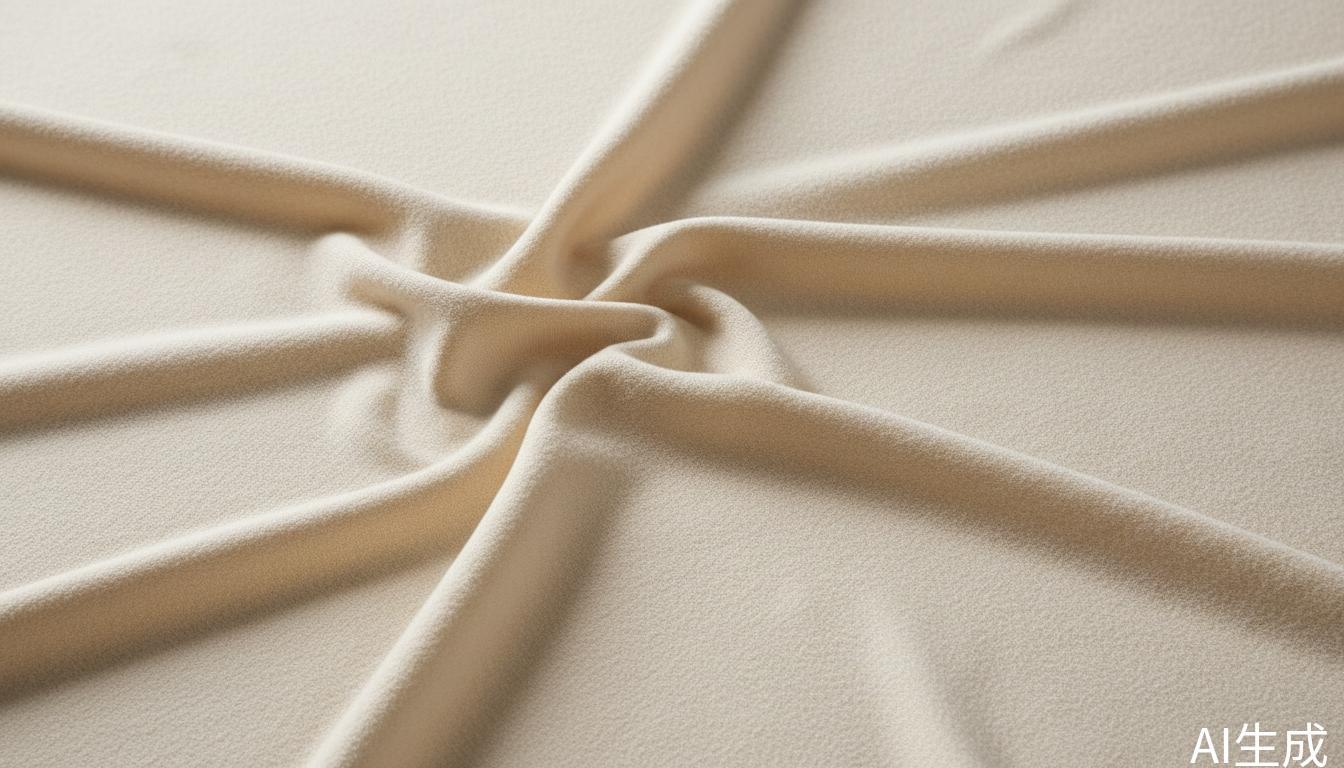
Interlock vs Jersey Fabric: Key Differences for Fabric Buyers
Choosing between interlock and jersey knit is a fundamental decision for any apparel brand. This guide provides a clear, decision-focused comparison to help you select the right fabric for your product line.
What Is Jersey Knit?
Jersey is a weft-knit fabric with a flat, smooth face and a textured back. It is produced on circular knitting machines using one set of needles (single jersey) or two sets (double jersey). Single jersey is the most common, used for t-shirts and dresses. Double jersey is thicker and more stable, often used for structured garments.
Jersey’s defining characteristic is its distinct face and back: the face shows vertical V-shaped stitches, while the back has horizontal loops. This asymmetry affects how the fabric drapes and feels. Single jersey is lightweight, breathable, and has a soft, fluid drape, making it ideal for close-fitting or flowing garments. Double jersey, created with two sets of needles, is heavier and more stable, offering a smoother surface on both sides and better structure.
For sourcing, jersey is a versatile workhorse. It is available in a wide range of weights and compositions, from 100% cotton to cotton-poly blends. Its production efficiency and lower yarn usage make it a cost-effective choice for basics. However, single jersey can curl at the edges and has less recovery compared to interlock, which is a key consideration for certain garment types.
What Is Interlock Knit?
Interlock is a double-knit fabric made by interlocking two layers of jersey. It is heavier and more stable than single jersey, with a smooth surface on both sides. Interlock has a fine ribbed structure that provides good stretch and recovery. It is often used for premium t-shirts, polo shirts, and baby clothing.
Unlike jersey, interlock looks the same on both sides, with no distinct face or back. This symmetry simplifies cutting and sewing, as there is no need to match the fabric’s direction. The interlocking structure creates a thicker, more substantial fabric that offers better opacity and shape retention. It also resists curling and pilling better than single jersey.
Interlock’s construction uses more yarn and requires more knitting time, which typically results in a higher cost. However, its durability and premium hand feel make it a preferred choice for garments that need structure and longevity. For brands targeting a higher price point, interlock can justify the investment.
Key Differences: Structure, Feel, and Performance
The primary differences between interlock and jersey lie in structure, weight, stretch, feel, and durability. Interlock is heavier, more stable, and offers better recovery, while jersey is lighter, more drapey, and more breathable. The table below summarizes these distinctions.
| Feature | Jersey (Single) | Interlock |
|---|---|---|
| Structure | Distinct face and back | Same on both sides |
| Weight | Lighter | Heavier |
| Stretch | Good, but less recovery | Good, with better recovery |
| Feel | Soft, drapey | Substantial, less clingy |
| Durability | Moderate, prone to pilling | More durable, resists pilling |
| Typical End-Uses | T-shirts, dresses, loungewear | Polo shirts, baby clothes, sleepwear |
Weight is a key differentiator: single jersey is typically lighter, while interlock is heavier and more substantial. This weight difference affects warmth and opacity. Interlock’s heavier weight provides more coverage and insulation, making it suitable for cooler weather or garments requiring more structure.
Stretch and recovery are also critical. Both fabrics have good stretch, but interlock’s interlocked structure gives it superior recovery, meaning it returns to its original shape better after stretching. This makes interlock ideal for fitted garments that need to maintain their shape, such as polo shirts or fitted tops.
In terms of feel, jersey is soft and drapey, clinging to the body, while interlock is more substantial and less clingy. This makes jersey preferable for flowy dresses or relaxed fits, while interlock suits more tailored silhouettes.
Durability is another consideration. Interlock’s tighter construction resists pilling and abrasion better than single jersey, which can pill over time, especially in high-friction areas. For garments that will undergo frequent washing and wear, interlock offers a longer lifespan.
End-Use Applications: Which Fabric for Which Garment?
Jersey is ideal for lightweight, breathable, and drapey garments, while interlock is preferred for structured, durable, and opaque garments. The choice depends on the garment’s intended use and desired hand feel.
Jersey is the go-to for t-shirts, tank tops, dresses, loungewear, and activewear base layers. Its breathability and softness make it comfortable for everyday wear, and its drape allows for fluid silhouettes. For activewear, jersey’s moisture-wicking properties (when blended with synthetics) are beneficial.
Interlock is better suited for polo shirts, fitted tops, baby clothes, sleepwear, and premium casual wear. Its structure and opacity make it ideal for garments that need to hold their shape, such as collared shirts. In baby clothing, interlock’s softness and durability are prized, as it withstands frequent washing and is gentle on sensitive skin.
When deciding, consider the season and brand positioning. For summer basics, jersey’s lightweight nature is advantageous. For year-round or cooler-weather garments, interlock’s heavier weight provides warmth. If your brand emphasizes quality and longevity, interlock may align better with that positioning.
Sourcing Considerations for Brands
When sourcing, consider the garment’s intended use and desired hand feel. Interlock may cost more due to higher yarn usage and production complexity. Both fabrics are available in various compositions (e.g., cotton, cotton-poly blends) and weights. Work with a supplier that offers both options and can advise on the best choice for your product line.
At our factory, we produce both interlock and jersey in a range of weights (180-360 GSM) and compositions, including 100% combed cotton, 60/40 cotton-poly, and 85/15 cotton-spandex. Our integrated knitting, dyeing, and finishing operations ensure consistent quality. We offer sampling in 15-30 days and bulk production in 35-45 days, with a MOQ of 500 kg per color and 2,000 kg per order.
When evaluating suppliers, ask about their experience with both fabrics and request samples to assess hand feel and performance. A reliable supplier should provide guidance on which fabric suits your specific garment type and target market. Our team has 15 years of experience serving 200+ global brands, and we are happy to share our expertise.
Conclusion: Making the Right Choice
Choose jersey for lightweight, breathable, and drapey garments. Choose interlock for more structured, durable, and opaque garments. Consider the end-use, season, and brand positioning when deciding. Request samples to evaluate hand feel and performance before bulk ordering.
Ultimately, the decision comes down to your product requirements. If you need a soft, flowing t-shirt, jersey is the answer. If you need a structured polo that holds its shape, interlock is the better choice. By understanding the structural and performance differences, you can make an informed decision that aligns with your brand’s quality standards and customer expectations.
For sourcing inquiries, contact us to request samples or discuss your project. Our team is ready to help you find the perfect fabric for your next collection.