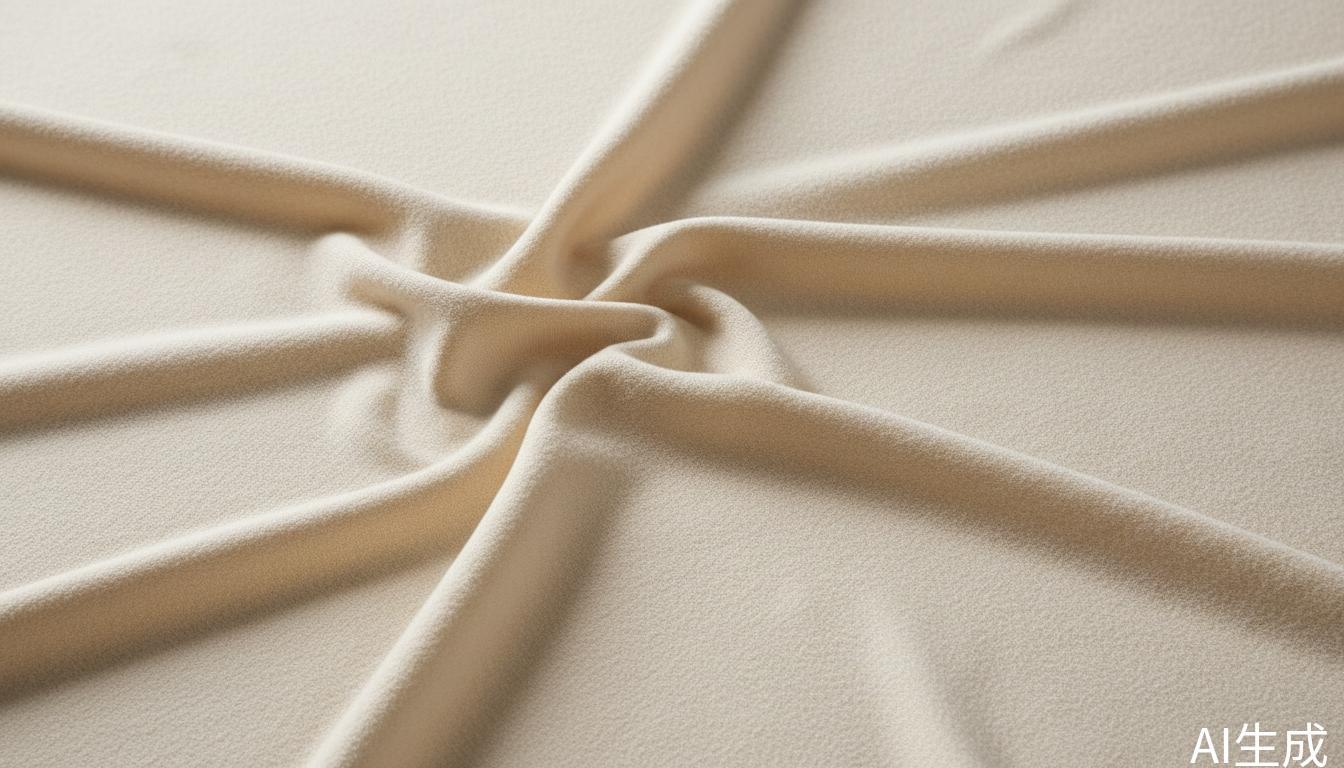
Cotton Jersey Fabric: Weights, Blends, and What Bulk Buyers Should Spec
Cotton jersey fabric is the workhorse of knit apparel, but sourcing it at scale requires more than picking a soft sample. This guide gives bulk buyers the decision framework: standard GSM ranges, blend trade-offs, quality certifications, and factory terms that separate a smooth order from a costly rework.
What Is Cotton Jersey Fabric?
Cotton jersey is a weft-knit fabric defined by its structure, not its fiber content. The two main types are single jersey and double jersey, and they differ in stretch, weight, and end use. Single jersey is the classic t-shirt knit: one set of needles produces a smooth face and a textured back, with good stretch and recovery. Double jersey uses two sets of needles to create a thicker, more stable fabric with a smoother surface on both sides, often used for dresses and heavier tops. For bulk buyers, the choice between them is a functional decision: single jersey for lightweight, body-hugging garments; double jersey for structured pieces that need to hold their shape.
Jersey’s popularity comes from its versatility. It drapes well, breathes, and takes dyes vividly, making it a default for t-shirts, dresses, and activewear. But the fabric’s performance hinges on the yarn and construction. A lightweight single jersey in 100% combed cotton feels completely different from a heavier double jersey in a cotton-poly blend. Understanding these variables is the first step to specifying the right fabric for your product line.
Key Specifications: Weight (GSM) and Composition
The two most critical specs for cotton jersey are weight (GSM) and fiber composition. GSM (grams per square meter) determines the fabric’s heft, drape, and durability. For cotton jersey, the practical range is 180–360 GSM. Lightweight suits t-shirts and summer tops; mid-weight works for dresses and polo shirts; heavyweight is for sweatshirts and outerwear. Heavier weights add warmth and structure but reduce drape and increase cost per meter.
Composition is the second lever. Common options include 100% combed cotton, 60/40 cotton-polyester, 65/35 cotton-polyester, 80/20 cotton-polyester, and 85/15 cotton-spandex. Each blend changes cost, shrinkage, wrinkle resistance, and durability. The table below summarizes the trade-offs.
| Blend | Weight Range (GSM) | Typical Uses | Cost Impact | Shrinkage | Durability |
|---|---|---|---|---|---|
| 100% combed cotton | 180–360 | T-shirts, dresses, premium basics | Baseline | Higher | Good, but less resilient |
| 60/40 cotton-poly | 180–320 | Everyday t-shirts, uniforms | 12–18% lower | Lower | Better wrinkle resistance, longer life |
| 65/35 cotton-poly | 180–320 | Polo shirts, dresses | Moderate | Lower | Balanced softness and durability |
| 80/20 cotton-poly | 180–300 | Premium tees, fashion tops | Higher | Higher | Good, but less durable than 60/40 |
| 85/15 cotton-spandex | 180–280 | Activewear, fitted garments | Higher | Low | Excellent recovery, but spandex degrades over time |
Weight and composition are interdependent. A 60/40 blend at 220 GSM is a workhorse for everyday wear, while an 85/15 cotton-spandex at 180 GSM is ideal for performance tops. Specify both together to avoid mismatched expectations.
Choosing the Right Blend for Your Product
The blend ratio is a cost-performance decision, not a quality ranking. 100% cotton offers the softest hand feel and breathability, but it shrinks more and wrinkles easily. Cotton-poly blends sacrifice some softness for lower cost and better dimensional stability. The 60/40 cotton-polyester blend is the standout for cost savings: it reduces fabric cost by 12–18% and cuts exposure to cotton price volatility, making it a smart choice for basics and uniform programs. The 65/35 blend balances softness and durability, ideal for garments that need to withstand repeated washing. The 80/20 blend feels more premium but may cost more and shrink more, so it suits fashion-led pieces where hand feel outweighs durability.
For stretch applications, 85/15 cotton-spandex provides the recovery needed for activewear and fitted silhouettes. Spandex adds stretch but also cost and care complexity—it can degrade with heat and chlorine. If you need stretch but want to avoid spandex, consider a mechanical stretch knit or a higher polyester content. Always test shrinkage and recovery with your specific garment construction; shrinkage differences can change a size chart.
Quality and Compliance: What to Look For
Quality certifications and inspection standards are non-negotiable for bulk orders. Look for OEKO-TEX Standard 100, which ensures the fabric is free from harmful substances, and ISO 9001 for quality management systems. These certifications are your baseline for compliance with EU and US regulations. Beyond certifications, a robust QC process is critical. A 5-step QC from yarn inspection to final fabric inspection, with an AQL 2.5 standard, means that the factory checks for defects at every stage and accepts a maximum of 2.5% defective items in a random sample. This is a common standard for apparel fabrics.
Request lab dips and pre-production samples before bulk production. Lab dips confirm color accuracy, while pre-production samples let you test shrinkage, hand feel, and drape on your actual garment. A factory that offers these without pushback is more likely to deliver consistent quality. Also, ask for test reports for shrinkage, colorfastness, and tensile strength—these are not always included in standard certifications but are essential for your product’s performance.
Sourcing from a Factory: MOQs, Lead Times, and Sampling
Understanding factory terms prevents surprises. For cotton jersey from a Chinese manufacturer, typical MOQs are 500 kg per color and 2,000 kg per order. Sampling takes 15–30 days, and bulk production takes 35–45 days. These timelines assume a factory with integrated knitting, dyeing, and finishing. Factory-direct sourcing—where one supplier controls all three processes—reduces lead times and quality risks because there are no handoffs between subcontractors.
When evaluating a factory, ask about their monthly capacity and equipment. A factory with 200+ circular knitting machines and an in-house dye house can handle large orders and offer more flexibility in custom blends. Also, confirm their certifications and QC process in writing. A factory that is OEKO-TEX certified and follows AQL 2.5 is more likely to meet your quality bar. Finally, request a sample yardage before committing to bulk. This is standard practice and a good test of the factory’s responsiveness.
Conclusion: Making the Right Spec Decision
Choosing cotton jersey comes down to three decisions: weight (GSM), blend, and quality standards. Match the weight to your garment type—lighter weights for t-shirts, mid-weights for dresses, heavier weights for sweatshirts. Choose the blend based on cost and performance: 60/40 cotton-poly for cost savings, 65/35 for balance, 80/20 for premium feel, and 85/15 cotton-spandex for stretch. Always verify certifications and QC standards, and plan for sampling and production lead times.
For a factory that offers a range of cotton jersey options with OEKO-TEX and ISO 9001 certifications, contact YXX Fabric. We provide samples and quotes to help you spec the right fabric for your next collection.