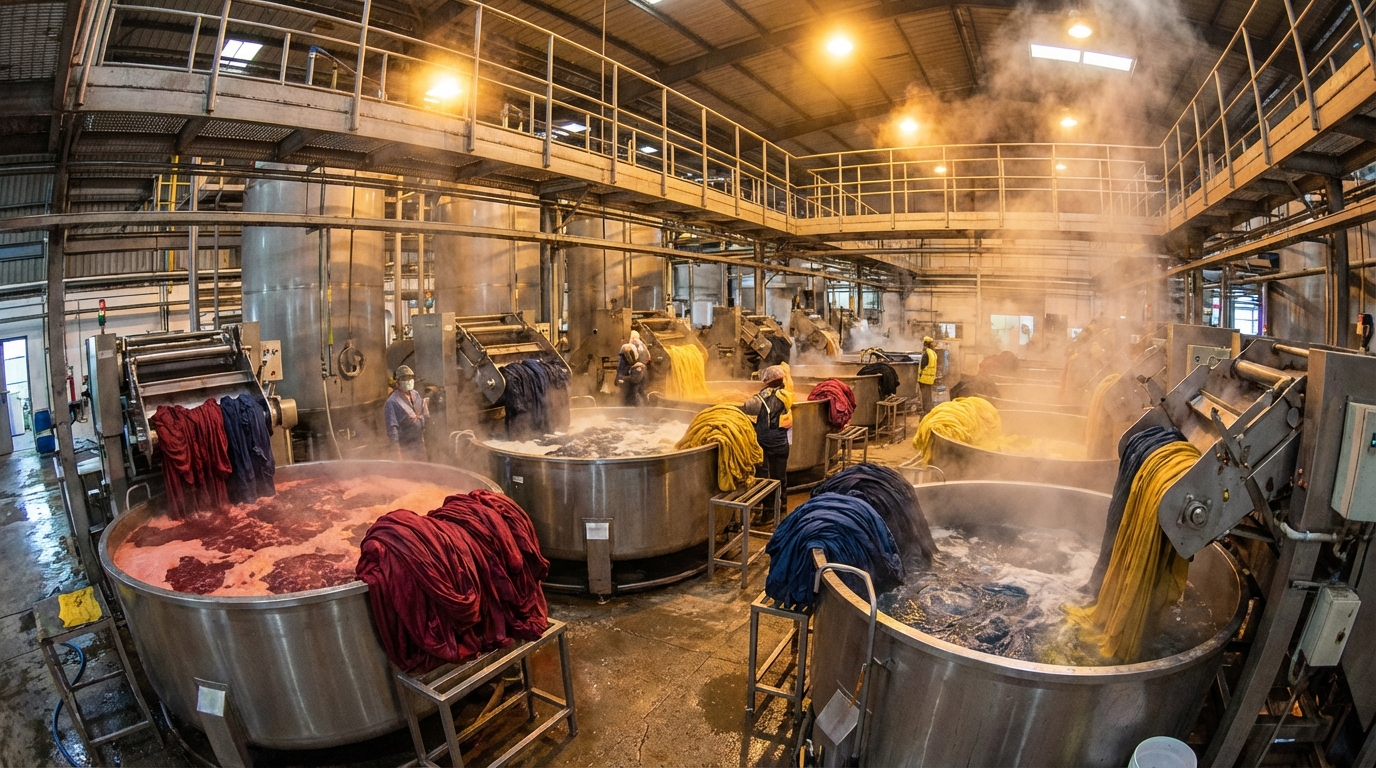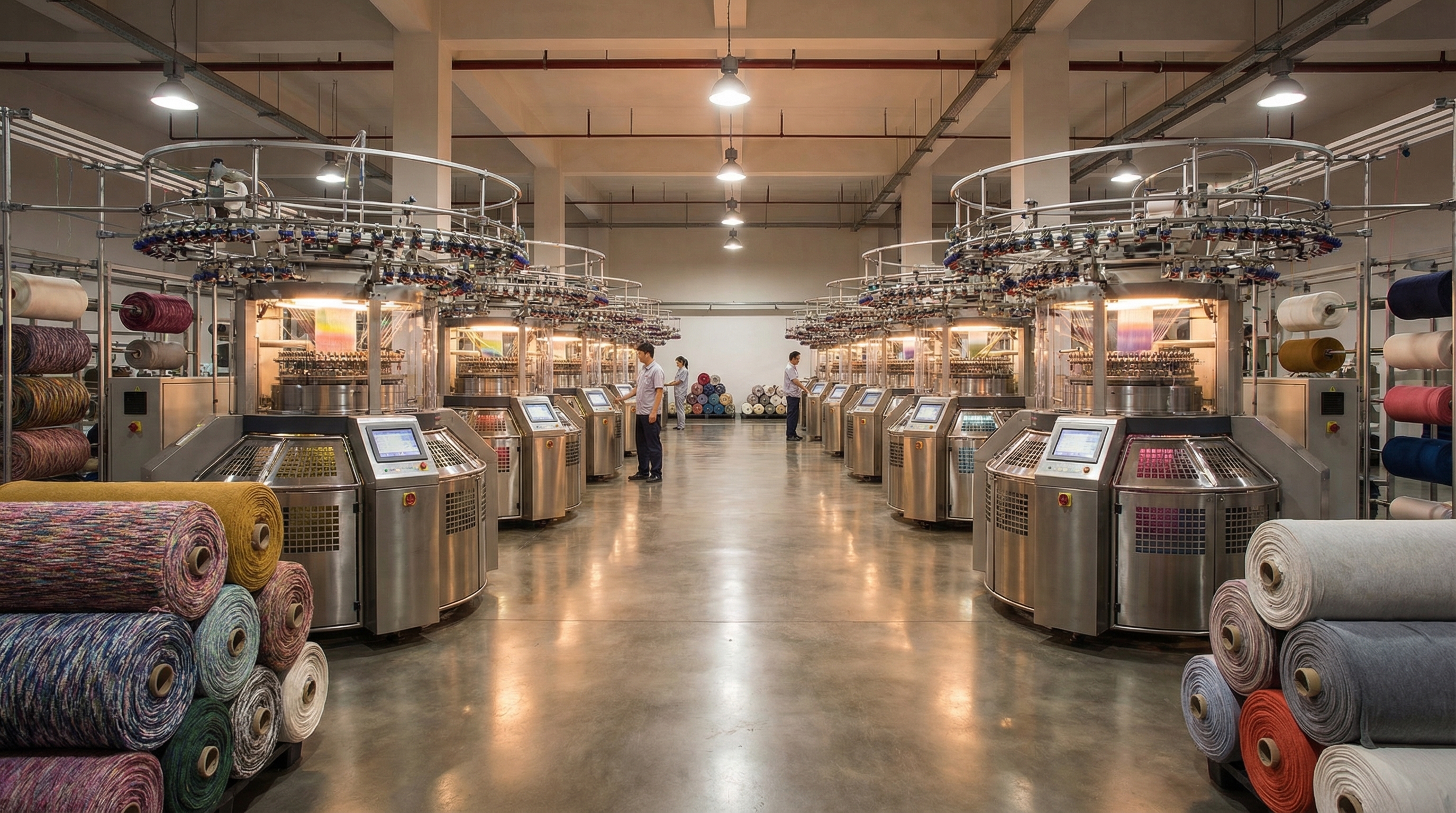
In textile production, the question is no longer whether automation matters. The better question is where it makes economic sense first. The strongest projects usually do not begin with the hardest sewing challenge. They begin with handling, cutting, stacking, and visual inspection, where repetition is high and process boundaries are clearer.
Material handling, cutting, and visual inspection are the most mature entry points
Different textile processes are not equally automation-friendly. The more repetitive and standardized the task, the easier it is to achieve stable payback.
| Process | Automation maturity | Main value |
|---|---|---|
| Material handling and loading | High | Less manual movement and waiting time |
| Automated cutting | High | Better precision and lower waste |
| Visual inspection | High | More consistent defect detection |
| Packing and palletizing | Medium to high | Better end-of-line efficiency |
| Sewing and complex fabric gripping | Medium to low | Progress is real, but scale remains difficult |
That is why many mills begin with visible bottlenecks instead of chasing a fully unmanned factory from day one.
ROI can be attractive, but only when the process is stable enough first
The source material points to common payback windows of 1-3 years for textile automation, with some cutting and high-labor-cost cases landing even faster. That shows automation is no longer a purely strategic story. In many cases, the math is already visible.
Still, ROI depends on more than machine cost:
- Is the process standardized enough?
- How often do SKUs switch?
- Are fixtures, positioning, and loading conditions consistent?
- Are labor shortages or error costs materially high?
- Have maintenance and downtime costs been included?
If the workflow is unstable, robotics often amplify the instability rather than fixing it.
Flexible material handling is still the hardest problem in textiles
Textile automation has always been harder than rigid-part automation because fabric bends, slips, collapses, stretches, and reflects light differently depending on color and construction.
That is why:
- Roll handling is more mature than sewing soft cut parts
- Predictable packing is easier than random fabric-piece manipulation
- AI-based visual inspection scales faster than full sewing automation
Vision systems, collaborative robotics, and tactile sensing are clearly improving, but it would still be inaccurate to say the soft-material problem is fully solved.
Successful deployment usually depends on three basic conditions
First: data visibility
If a mill does not track cycle time, stoppages, defect causes, and rework clearly, it is difficult to know where automation should enter first.
Second: process standardization
Robots struggle when every lot behaves differently. Alignment rules, fabric presentation, interface design, and quality standards all need to be more consistent than many teams initially expect.
Third: maintenance capability
Automation without maintenance discipline often becomes expensive idle equipment. In textile production, that risk is especially visible during peak seasons when every hour of stoppage matters.
For buyers, the value of automation is not the headline but the delivery stability
Many supplier presentations talk about smart factories in broad terms. Buyers usually benefit more from a simpler question: what delivery result has automation actually improved?
For example:
- Has cutting accuracy become more stable?
- Has vision inspection reduced missed defects or rework?
- Has handling automation shortened waiting time between steps?
- Has process data made quality issues visible earlier?
If the answer is only “the factory looks more modern,” the project is still cosmetic. If the answer is “lead times are steadier and quality drift is found earlier,” then the automation is commercially meaningful.
The more realistic future is targeted automation supported by AI
In the next few years, textile automation is likely to advance through a mixed model:
- Robots take over repetitive and physically demanding actions
- AI systems support inspection and process judgment
- Human operators remain critical for adjustment, exception handling, and technical decisions
That path fits textiles well because it accepts the reality of flexible manufacturing while still capturing the clearest efficiency gains first.