Jacquard fabrics are often grouped together with printed fabrics because both create visible pattern. But from a development point of view, they belong to very different worlds. Print adds imagery to a surface. Jacquard builds pattern into the structure itself.
Jacquard matters because the pattern is part of the fabric construction
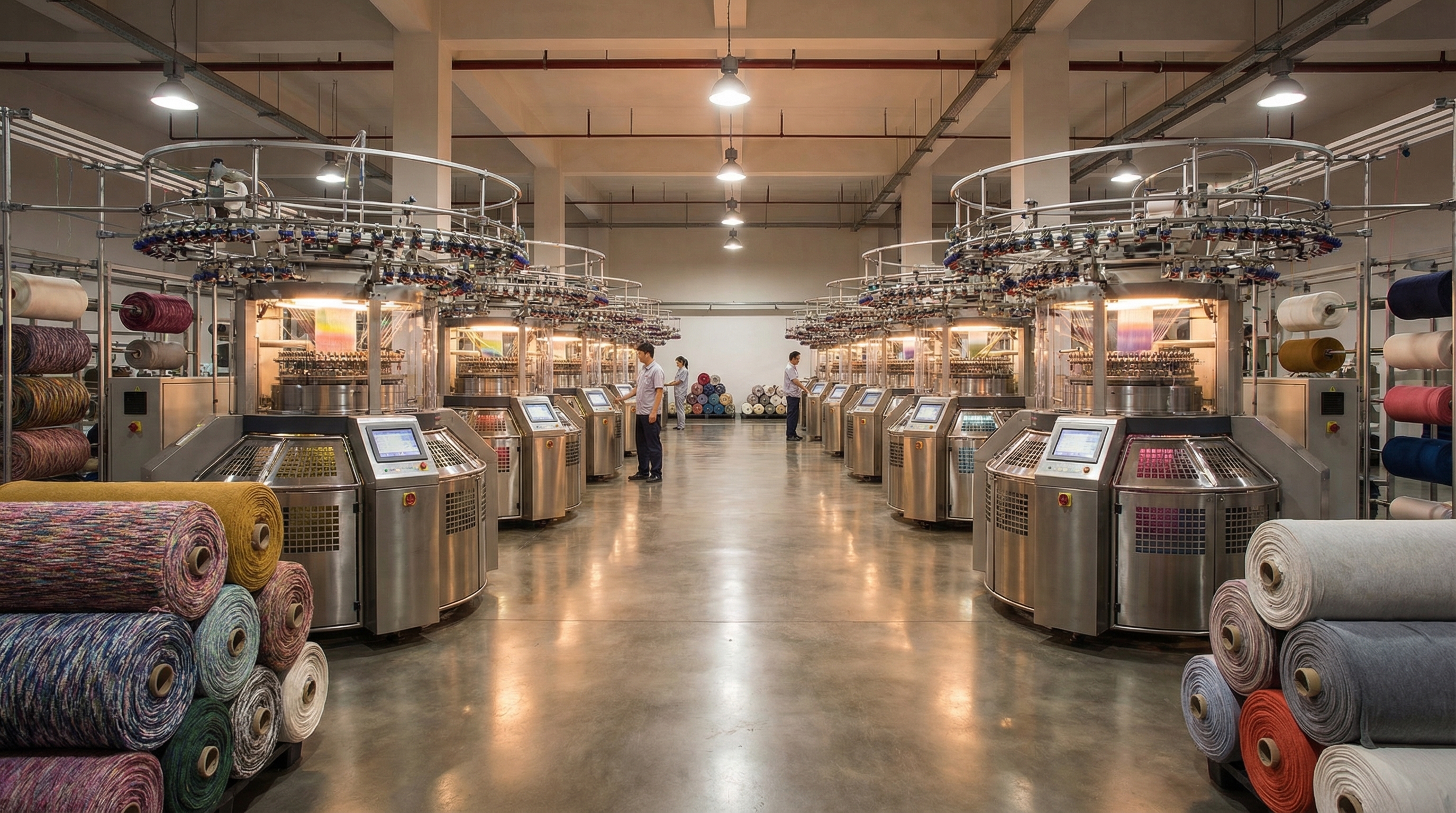
The defining feature of jacquard is that the design is formed during weaving or knitting rather than applied afterward. That means the pattern is not sitting on top of the fabric. It is being created through yarn arrangement, structure, and repeat control.
That gives jacquard two clear strengths:
- More depth and surface richness than many flat print effects
- Better durability because the pattern is structural rather than topical
It also changes the development discussion. A jacquard project cannot be judged only from artwork. Yarn choice, repeat size, construction balance, and finishing all matter.
The most useful comparison is jacquard versus print versus embroidery
All three can create strong visual identity, but they carry different cost and performance logic.
| Technique | How the pattern is formed | Main advantage | Main risk |
|---|---|---|---|
| Jacquard | Built directly into the structure | Strong texture, layered look, durable effect | Higher structural complexity |
| Applied to the surface | Fast changes, lower entry cost, flexible sampling | Surface durability depends on process | |
| Embroidery | Added with stitched threads | High visual focus, local decoration | Adds weight, stiffness, and cost |
If the product needs richer texture, stronger perceived value, and longer-life appearance, jacquard often makes sense. If the collection needs quicker design turnover or lower development friction, print may be the more practical answer.
The real challenge is not making jacquard once, but repeating it well in bulk
Jacquard developments often look strong in sampling but lose impact in production if construction tension, yarn consistency, or finishing response is not stable.
It helps to review the risk in three layers.
First layer: yarn
- Is the yarn count suitable for the pattern density?
- Will luster and thickness help or weaken visual contrast?
- Will different pattern zones create uneven tension?
Second layer: construction
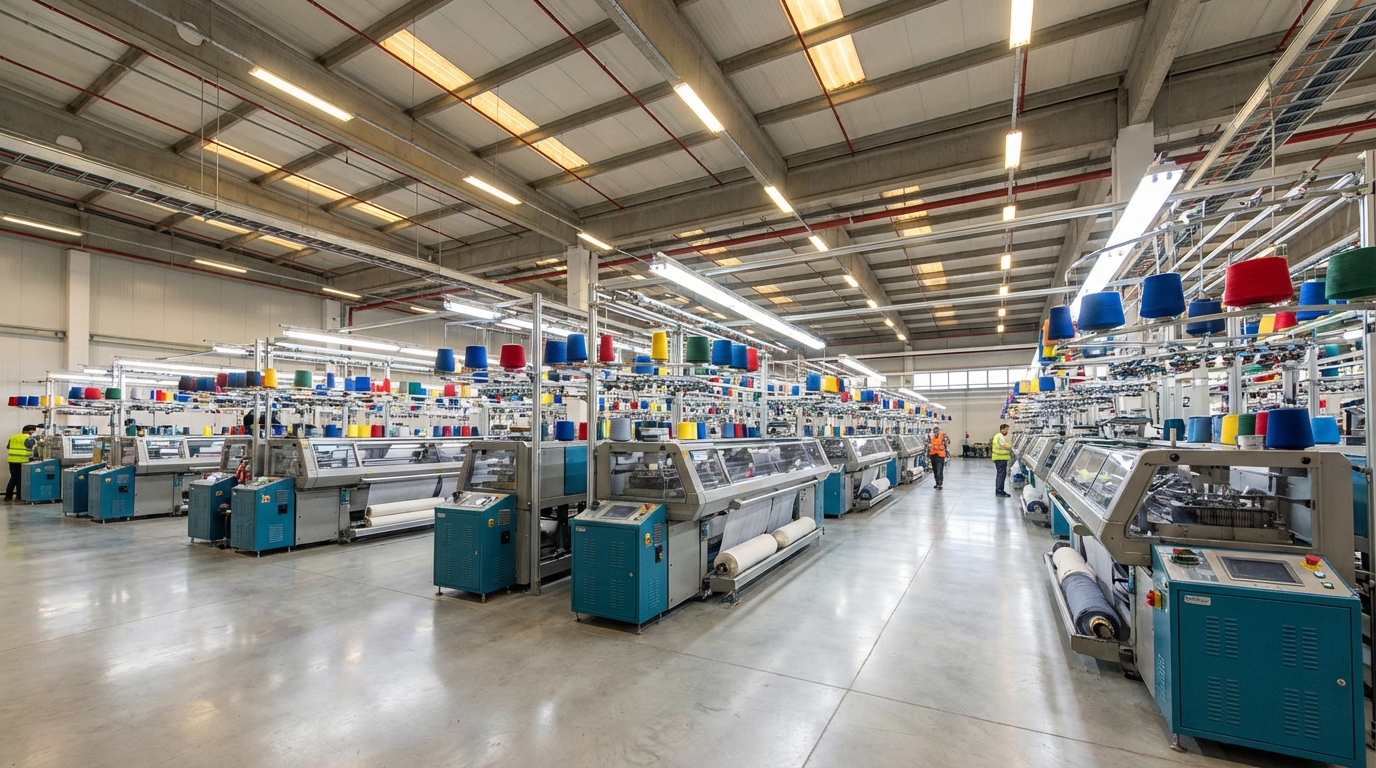
- Is the repeat size realistic for the machine setup?
- Will longer floats create snagging or abrasion issues?
- Will the pattern make the fabric too stiff for the target garment?
Third layer: finishing
- Will softening, setting, or calendaring flatten the texture?
- Will dye depth reduce visual separation between pattern zones?
- Will garment washing blur the structure after make-up?
That is why jacquard should be treated as a full construction project, not just a graphic effect.
Jacquard works best where texture itself is part of the selling point
Jacquard does not belong in every product line. It is most valuable where the brand wants visual distinction and tactile depth without relying only on printed imagery.
Common applications include:
- Womenswear outer layers and dresses with visible surface interest
- Home textiles and decorative upholstery programs
- Premium casual knits that need stronger identity
- Brand-led collections where texture matters more than obvious logos
If you are also reviewing broader texture direction, our article on textured knit trends for 2026 adds useful context because jacquard is one of the clearest examples of surface language built through structure.
Digital development and sustainability will reshape jacquard work
One of the more important shifts in the source material is that jacquard development is becoming more digital. Simulation, virtual pattern planning, and faster sample iteration are starting to shorten the route from idea to loom-ready program.
At the same time, sustainability expectations are moving upward. That means jacquard fabrics will increasingly be evaluated not only by beauty, but also by:
- Material traceability
- More efficient development cycles
- Better fit between yarn choice and end-use life
As brands keep investing in differentiated texture and cultural storytelling, jacquard is likely to remain important because it offers a more structural form of value than surface decoration alone.
Before starting a jacquard project, ask the right questions first
The most useful sourcing questions are often:
- Is jacquard really the right route, or would print do the job better?
- Does the visual effect come mainly from yarn contrast or structure contrast?
- What repeat size and cost level are realistic for bulk?
- Will the fabric face garment washing, pleating, or bonding later?
- Does the texture need to read clearly both from a distance and up close?
Jacquard can create a strong premium signal, but only when the engineering side is judged as carefully as the design side.