Many people first describe knit fabrics as “stretchy fabrics,” which is not wrong but not especially useful. What really determines knit performance is loop structure, knitting direction, fiber mix, and finishing, not the label “knit” on its own.
Knit fabrics are built by interlocking loops, not by crossing yarns
The deepest difference between knit and woven fabric is structural. Knit fabrics are built by forming loops and linking them together. Woven fabrics are built by interlacing warp and weft yarns.
That structural difference explains why knits are usually:
- Softer and more body-conforming
- More flexible in stretch and recovery
- Better suited to comfort-led garments
Wovens, by contrast, usually offer more direct dimensional stability and sharper structure. That is why tees, sweatshirts, leggings, underwear, and lounge pieces often rely on knits, while shirts, structured jackets, and many workwear items lean toward wovens.
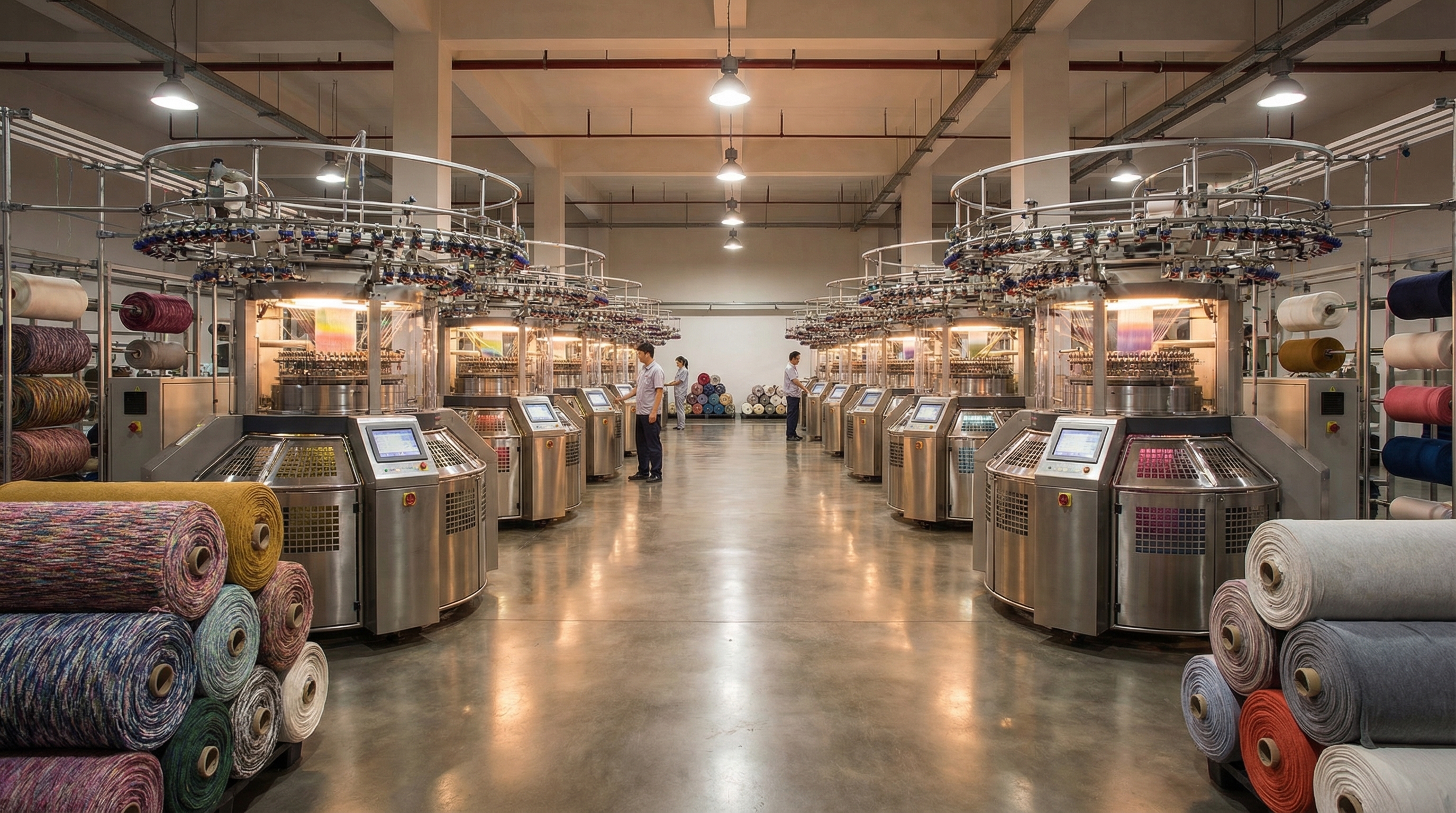
The first distinction that matters is weft knit versus warp knit
If a team cannot separate weft knit from warp knit, fabric discussions quickly become confusing. This is the most important first-level classification in knit development.
| Type | How it is formed | Main characteristics | Common uses |
|---|---|---|---|
| Weft knit | One or a few yarns loop across the width | Softer hand, higher stretch, versatile structures | Tees, sweatshirts, ribs, double knits |
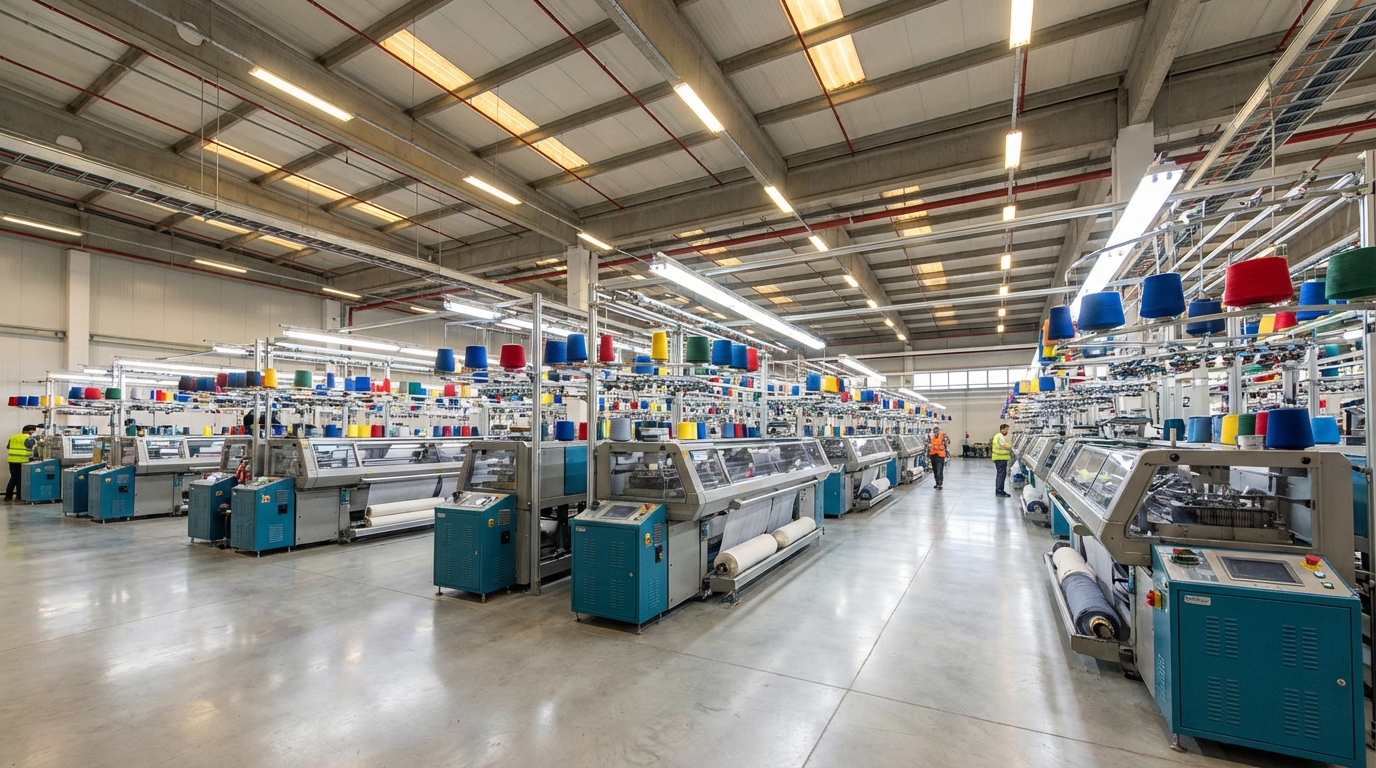
| Warp knit | Many yarns form loops lengthwise at the same time | Better stability, less unraveling, efficient production | Sports mesh, lingerie, lace, technical bases |
If your product needs softness, bounce, and casual comfort, weft knit is often the starting point. If you need stability, mesh performance, cleaner technical structure, or high-speed production, warp knit may be the better route.
Not all knits feel the same because structure changes the result dramatically
Knit fabrics are often treated as one comfort category, but the real wearing result varies a lot between jersey, rib, interlock, terry, spacer, mesh, and jacquard structures.
It is more useful to connect construction to end use:
- Jersey works well for basic tees and light base layers
- Rib supports collars, cuffs, and stretch-focused areas
- Interlock and spacer fit cooler-season casual products and more stable silhouettes
- Terry and brushed knits suit sweatshirts, lounge, and warmth-oriented products
- Mesh and technical structures suit active and ventilation-led use cases
If your team is also reviewing sweatshirt construction choices, our sweatshirt fabric quality guide is a useful companion because it approaches knit selection from the garment side.
Knit fabrics can also be grouped by fiber, end use, and processing path
Beyond weft and warp, the next practical layer of classification usually follows three directions.
By fiber content
- Cotton, viscose, and modal are often chosen for softness and moisture comfort
- Polyester and nylon are often chosen for strength, drying speed, and shape stability
- Elastane is usually a support fiber rather than a standalone fabric identity
- Blends are used to balance comfort, cost, durability, and appearance
By end use
- Close-to-skin products focus on touch, breathability, and wash stability
- Outer casualwear focuses on weight, body, and silhouette support
- Activewear focuses on moisture management, recovery, and abrasion performance
- Home and technical uses focus more on dimensional control and continuous processing suitability
By processing route
- Greige construction sets the base character
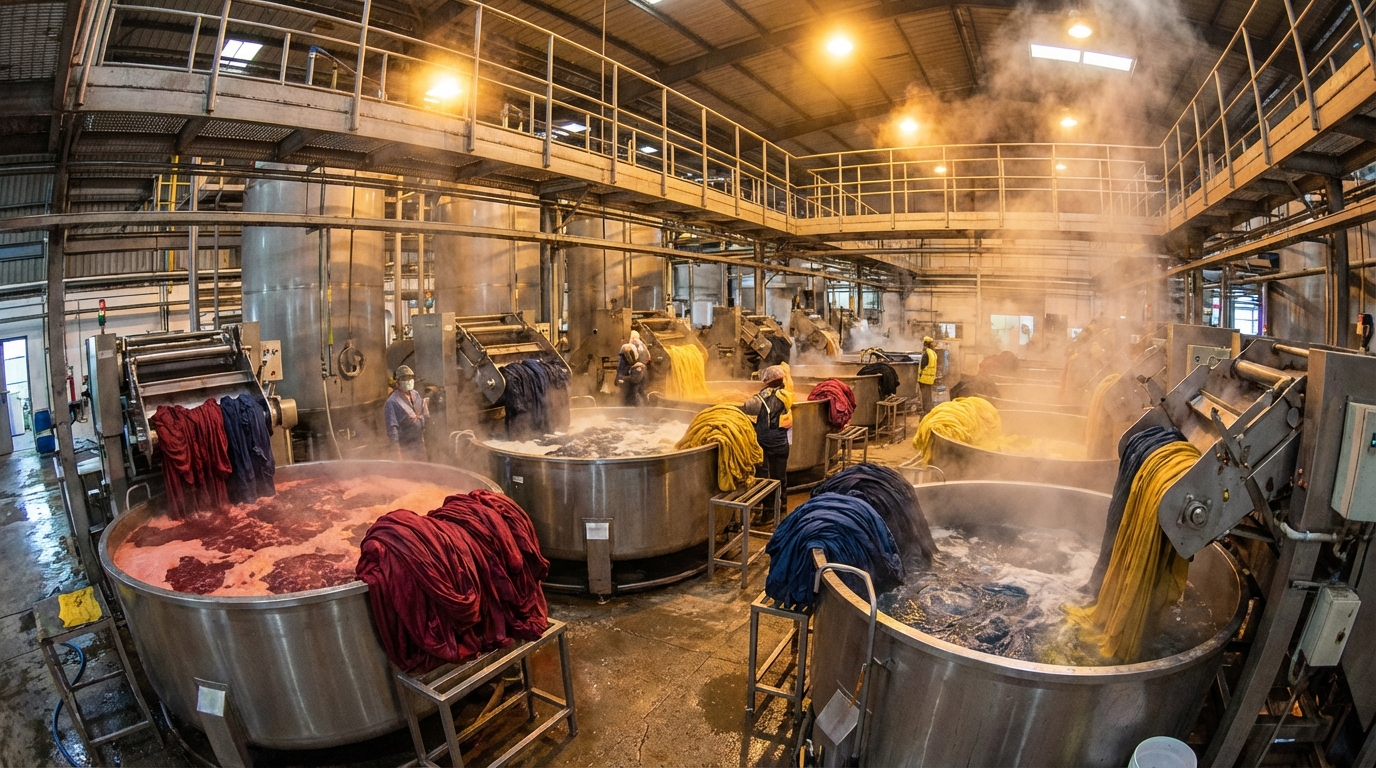
- Dyeing and finishing shape shade, hand feel, and function
- Brushing, laminating, compacting, and other finishes can radically change the end result
Functional knits work only when structure and chemistry are planned together
Functional knit development often goes wrong when teams reduce everything to one finish or one claim. Moisture management, odor control, cooling, heating, water resistance, and antibacterial performance all depend on combinations of fiber, structure, and treatment.
A stronger process is:
- Define the use case first.
- Choose the main performance goal second.
- Select the fiber path and finishing route last.
That logic reduces confusion because it separates what comes from construction and what comes from finishing. Cooling is not only about additives. Antibacterial does not automatically mean deodorizing. Warmth is not just higher weight.
3D knitting and seamless knitting signal a shift in how products are developed
Interest in 3D and seamless knitting keeps growing because these technologies change the traditional sequence of fabric first, then cut, then sew.
Their main value usually comes from:
- Fewer cutting and sewing steps
- More precise zonal stretch and functional placement
- Less material waste and stronger support for differentiated programs
Still, they should not be treated as universal answers. Not every silhouette suits seamless construction, and not every supply chain can hold complex 3D structures consistently in bulk.
In sourcing, the right questions matter more than the first price quote
If you are buying or developing knit fabric, the most useful early questions are usually:
- Is this weft knit or warp knit, and why?
- Is the structure better suited to base layer, outerwear, or technical use?
- How are shrinkage, spirality, edge rolling, and weight variation controlled?
- Does the value come mainly from fiber, structure, or finishing?
- Are there backup yarn or finishing routes for bulk production?
Those answers do more to protect a project than price alone.