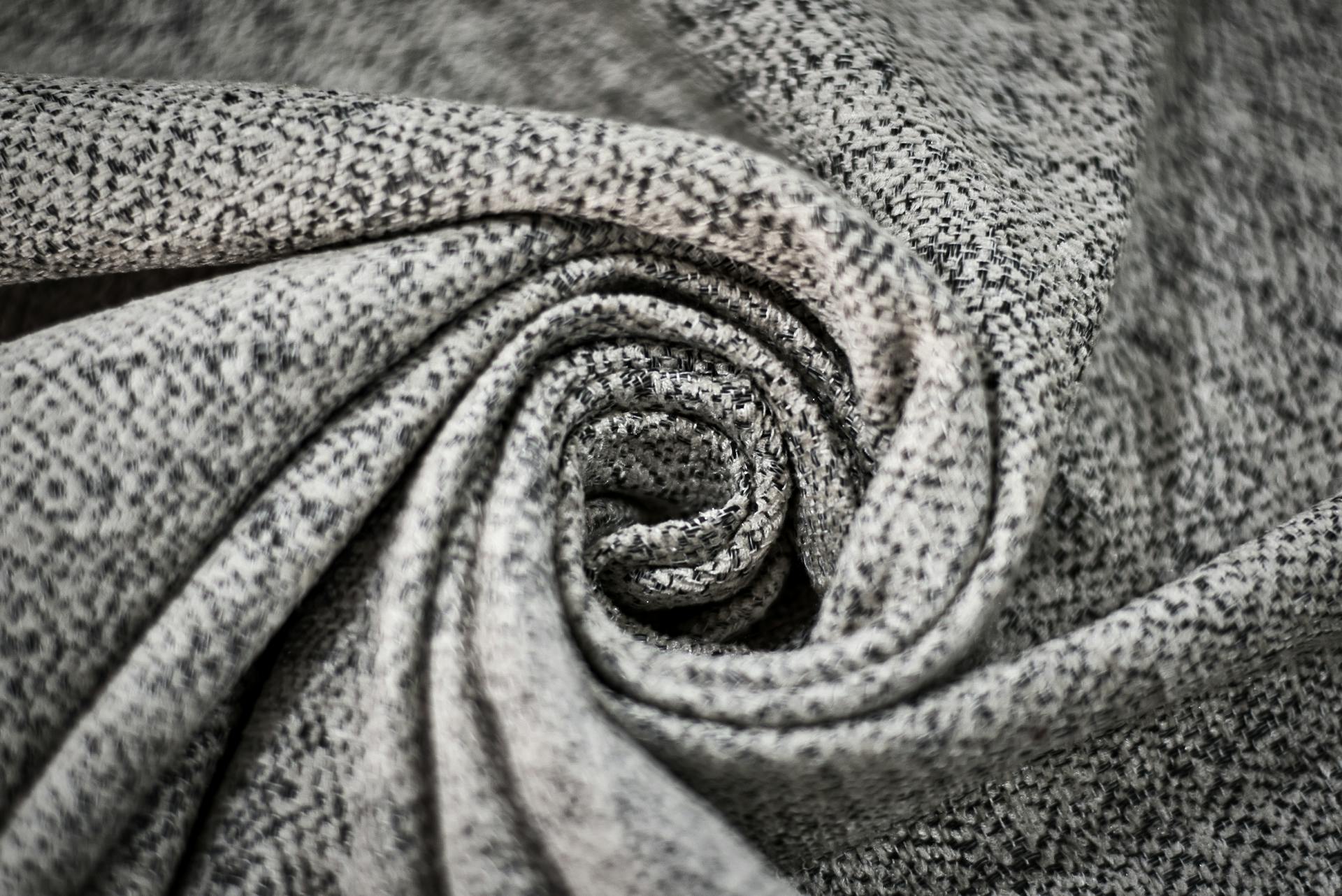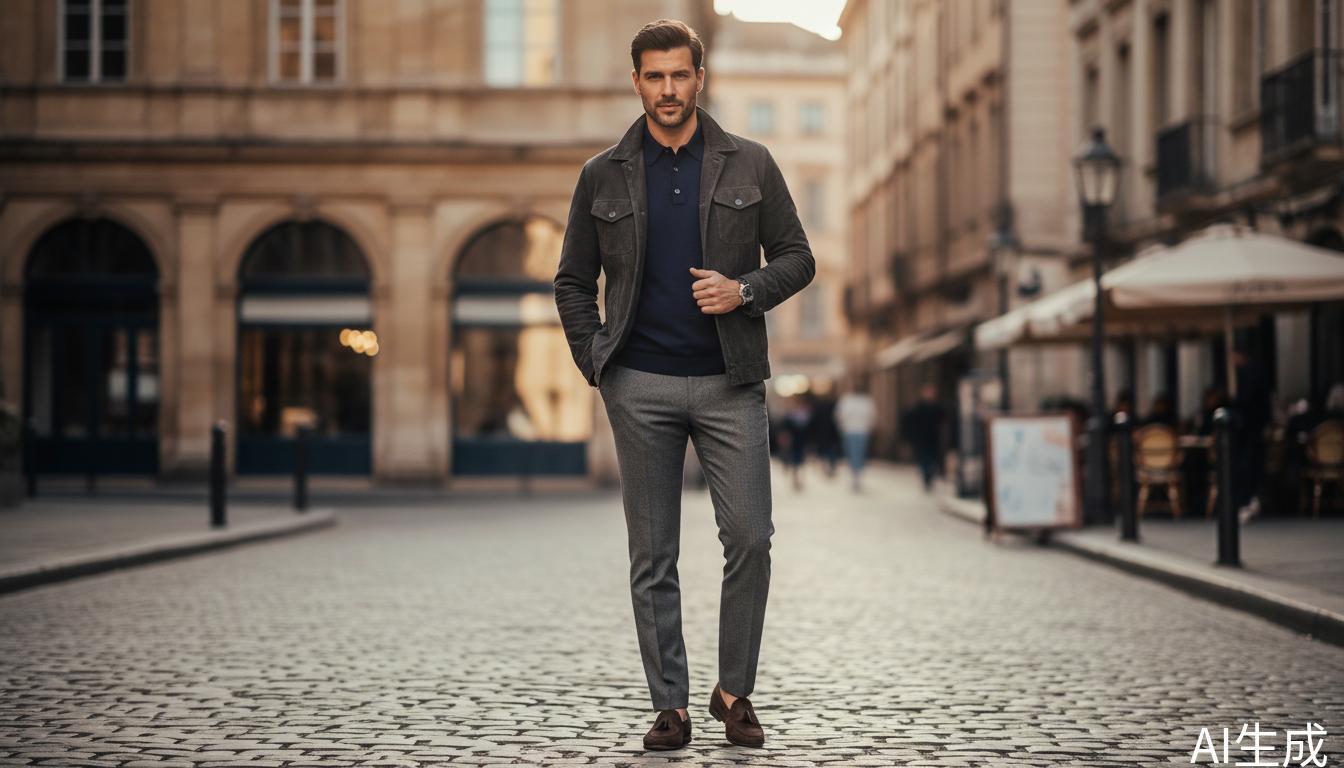
Functional fabrics in Guangzhou Zhongda market are moving from concept claims into regular buyer requirements. Athleisure, workwear, underwear, outdoor apparel, and childrenswear all ask for clearer functions. But buyers should not rely only on a supplier saying the fabric has a function. They need to check principle, testing, wash retention, and use case.
The common trap is that a sample looks good, while bulk goods or after-wash performance becomes unstable. Function, hand feel, cost, and durability must be judged together.
Why Functional Fabrics Are Growing
Functional fabrics are growing not because the market suddenly loves new concepts, but because wearing scenarios have changed. Sports, commuting, health, and outdoor use are turning function from a bonus into a basic requirement.
Main drivers include:
- Daily sports scenarios: gym, yoga, running, and outdoor activities make moisture management, stretch, and breathability standard.
- Workwear and casualwear merge: athflow styling needs fabrics that can look presentable and stay comfortable.
- Health awareness rises: antibacterial, anti-odor, breathable, and skin-friendly functions are easy for consumers to understand.
- Brand differentiation: when basic fabrics look similar, function becomes a premium point.
- Finishing technology matures: some functional finishing premiums have fallen from 30-50% to around 10-20%, making bulk use easier. Industry research suggests that functional fabrics already exceed 60% penetration in athleisure categories during 2025-2026, and the share is still growing.
Category 1: Moisture-Management Fabrics
Moisture-management fabrics fit sportswear, outdoor apparel, T-shirts, and next-to-skin underwear. The key is not only absorbing sweat. The fabric must move moisture from the skin side to the surface and dry in a reasonable time.
Common routes include modified cross-section fibers, wicking channels, double-face structures, and hydrophilic finishing. In Zhongda market, this category grew about 25% year on year in the first quarter of 2026, and prices are often RMB 3-5 per meter higher than ordinary polyester fabrics.
Buyers should check:
- Whether a water drop spreads quickly instead of staying as a bead.
- Whether air permeability fits the target garment.
- Whether function drops significantly after 10 washes.
- Whether GB/T 21655.1, AATCC 195, or similar testing is available. Moisture absorption and quick drying are two different indicators. Some fabrics absorb well but dry slowly; others dry quickly but do not feel comfortable against the skin.
Category 2: Antibacterial and Anti-Odor Fabrics
Antibacterial and anti-odor fabrics fit underwear, socks, sportswear, and next-to-skin garments. Demand increased quickly after the pandemic, and more Zhongda suppliers now promote this category.
Common systems include silver ion, zinc ion, copper ion, and quaternary ammonium compounds. Prices are often RMB 5-10 per meter higher than ordinary fabrics, depending on agent type, application method, and wash durability.
Be careful with concept-only antibacterial claims:
- Surface spray finishes may disappear after a few washes.
- A finish may work on only one organism but be sold as broad antibacterial.
- Missing safety testing can create heavy-metal or skin-irritation risk.
- A supplier may provide raw material reports but not final fabric reports. The safer request is a GB/T 20944, AATCC 100, or similar final-fabric report, with after-wash performance clearly shown.
Category 3: Cooling Fabrics
Cooling fabrics fit summer T-shirts, homewear, sportswear, and bedding. The real question is not whether the fabric feels cold at first touch, but whether heat transfer, moisture management, and breathability improve wearing comfort.
Common approaches include jade powder, mica powder, xylitol finishing, high-conductivity fibers, and high-moisture fibers. Buyers should separate two cooling types:
| Type | Performance | Risk |
|---|---|---|
| Instant cool touch | Cool feeling at first skin contact | May last only briefly |
| Sustained cooling | Better heat release and moisture movement during wear | Needs structure and fiber support |
For sports or commuting, do not look only at Q-max contact cooling. Also check breathability, quick drying, and after-wash retention.
Category 4: UV-Protection Fabrics
UV-protection fabrics fit outdoor apparel, childrenswear, sun-protective jackets, hats, and summer layers. Buyers should focus on UPF value and after-wash retention, not only fabric thickness.
UV protection is affected by:
- Fabric density
- Color depth
- Fiber type
- UV finishing agent
- Whether stretch opens the structure Qualified sun-protection fabrics usually need UPF50+. But high density and dark colors can affect breathability and hand feel, so the balance depends on the garment category. Kidswear and outdoor programs also need special attention to chemical safety.
Category 5: Stretch-Comfort Fabrics
Stretch-comfort fabrics fit yoga wear, leggings, sports pants, casual pants, and commuter knits. Buyers should not ask only about spandex percentage. Recovery, dimensional stability, and long-wear deformation are more important.
Common problems include:
- Strong first-hand stretch but bagging at knees or seat after wear.
- Good widthwise stretch but poor lengthwise recovery.
- Fabric too soft to support the garment.
- High stretch increasing shrinkage or twisting risk. A better test view includes stretch recovery, after-wash dimensional change, skew, and wearing trials. Stretch fabrics are risky when buyers judge only by hand-feel samples.
Category 6: Sustainable Functional Fabrics
Sustainable functional fabrics combine recycled fibers, bio-based materials, and functional finishing. They fit ESG collections, athleisure, basic T-shirts, and European export programs.
Common combinations include:
- Recycled polyester + moisture management
- Recycled nylon + stretch performance
- Lyocell / Modal + skin comfort
- Recycled cotton + casual knits
- Bio-based fibers + lower-impact dyeing Buyers should check the certification chain. “Eco” is not enough. GRS, RCS, OCS, GOTS, OEKO-TEX, or similar certificates should match the final fabric and supply-chain stage.
Use Four Steps to Screen Functional Fabrics
Functional fabrics are not a problem because they cost more. They are a problem when the higher cost has no evidence behind it.
- Start with the application scenario. Sports, underwear, kidswear, outdoor, and workwear prioritize different functions.
- Check the test report. The report should apply to the final fabric, not only the raw material or finishing agent.
- Verify after washing. At minimum, review performance after 10 washes. Higher-requirement programs should check 30 to 50 washes.
- Evaluate hand feel and cost. Function should not destroy wearing comfort or exceed the target price band. Zhongda market offers many functional fabric options. The real difference is not whether a supplier has a selling point. It is whether the supplier can make the function stable, explain the data clearly, and warn buyers about bulk-production risk early.