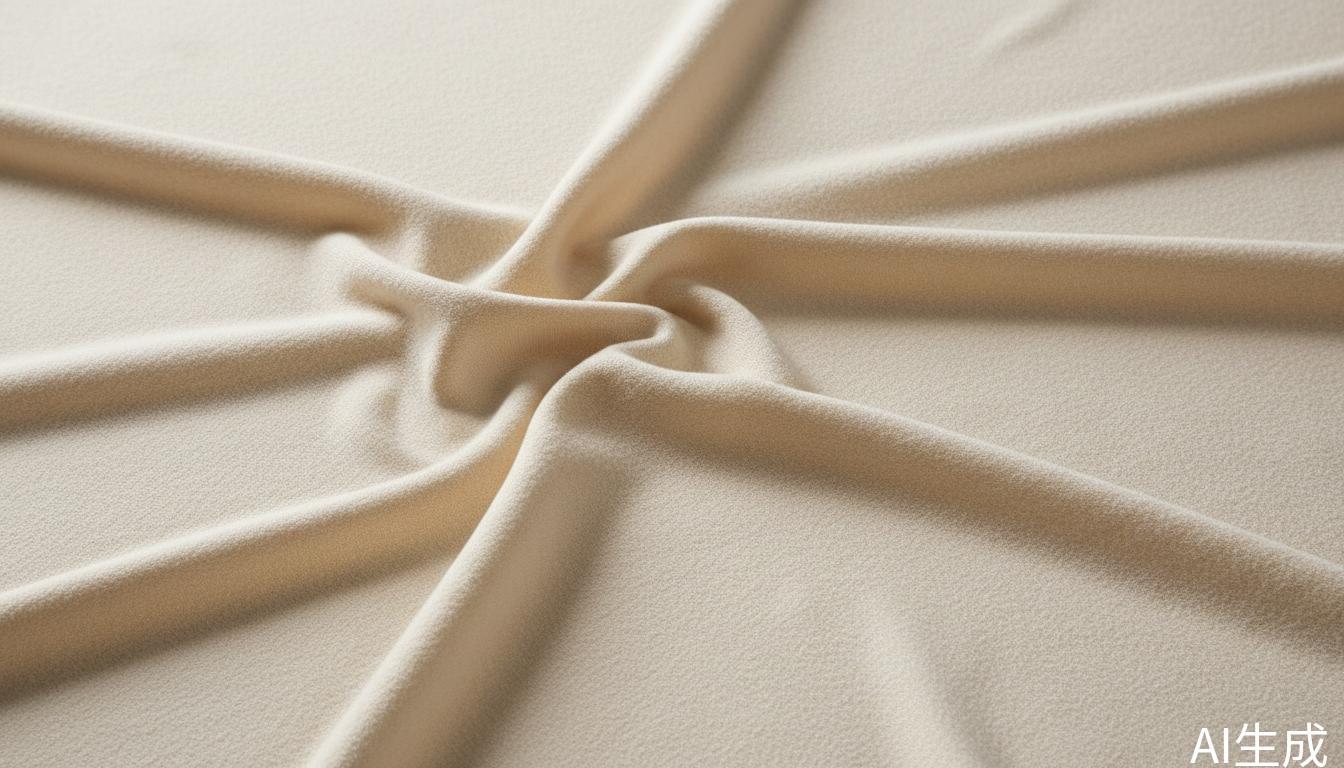
Is Polyester Spandex Breathable for Activewear? What Buyers Should Specify for Sportswear Knits
Breathability in a polyester spandex knit is determined mainly by knit structure and fabric weight, not by the presence of spandex. A well-constructed, mid-weight interlock or jersey can move air and moisture effectively; a dense, tightly finished fabric will not, regardless of fiber content. So the honest answer is conditional: polyester spandex can be breathable enough for activewear, but only if you specify the construction and finishing correctly. This guide gives you the decision framework, spec ranges, and verification steps to get a genuinely breathable knit before you commit to bulk.
Short Answer: Is Polyester Spandex Breathable?
Polyester spandex is breathable when the knit structure is open enough and the finishing does not seal the surface. Spandex is a minor stretch component—typically 2% to 20% of the blend—and it is not a breathability driver. Polyester itself does not absorb moisture; it moves it. That means wicking and drying behavior matter more than the word “breathable” on a label. A buyer should evaluate air permeability and moisture management together, not as a single yes/no attribute.
The practical implication: if a sample feels clammy or hot, the cause is usually fabric weight, stitch density, or a surface finish that closes the pores—not the spandex percentage. For a deeper fiber-by-fiber comparison, see our polyester vs nylon vs spandex breathability and wicking comparison.
What Each Fiber Actually Does: Polyester vs Nylon vs Spandex
Polyester wicks and dries faster and costs less than nylon; nylon wins on recovery and durability; spandex provides stretch and recovery but is a minor component, not a breathability driver. Use this table to decide which fiber to adjust when a knit fails a breathability or recovery requirement.
| Fiber | Breathability contribution | Moisture wicking | Drying speed | Recovery / durability | Cost position |
|---|---|---|---|---|---|
| Polyester | Low direct contribution; structure-dependent | Good—moves moisture away from skin | Fast | Moderate | Lower |
| Nylon | Low direct contribution; structure-dependent | Moderate | Slower than polyester | High—better recovery and abrasion resistance | Higher |
| Spandex | Negligible—minor stretch component | Not applicable | Not applicable | Provides stretch and fit retention | Higher per unit, but used in small percentages |
When a fabric fails a wicking or drying test, the fix is usually in the polyester specification or the knit structure—not in adding more spandex. When it fails recovery or durability, consider a nylon blend or a higher spandex percentage within the activewear range. For a full breakdown of stretch fiber selection, see our spandex/elastane stretch fabric guide.
How Much Spandex Belongs in Activewear
For activewear, specify 10–20% spandex; 2–5% is typical for t-shirts, 5–10% is ideal for most garments, and 20%+ enters shapewear territory. More spandex than the garment needs adds cost and compression without improving breathability. Spandex content in knit fabrics typically ranges from 2% to 20%, so the activewear range sits at the upper end of normal production.
| Garment type | Typical spandex range |
|---|---|
| T-shirts | 2–5% |
| Most garments (ideal) | 5–10% |
| Activewear | 10–20% |
| Shapewear | 20%+ |
A common mistake is to treat spandex as a performance lever for breathability. It is not. If a legging feels hot, adding more spandex will not make it breathe better—it will make it tighter. Instead, adjust fabric weight, stitch structure, or finishing. For a broader view of activewear fabric sourcing, see our activewear performance fabric sourcing guide.
What to Write in the Spec Sheet for a Breathable Sportswear Knit
A breathable polyester spandex knit starts with a spec sheet that states end use, composition with tolerance, fabric weight in GSM, knit structure, finishing, and separate stretch/recovery targets. Vague specs like “polyester spandex, breathable” give the mill too much latitude. Be explicit about the activity level—high-sweat activities like running or HIIT need different structures than yoga or lifestyle wear.
Key items to include:
- End use and activity level: state the sport and expected sweat rate so the mill can propose an appropriate structure.
- Composition with tolerance: state the fiber percentages and an acceptable tolerance. Do not leave composition open-ended.
- Fabric weight in GSM: yxxfabric.com knit fabrics run 180–360 GSM. Weight strongly affects air movement and heat build-up; a 180–220 GSM jersey breathes differently from a 300+ GSM interlock.
- Knit structure: specify jersey, interlock, rib, or mesh. Open structures generally allow more air movement.
- Finishing treatments: brushing, calendering, or coating can close the surface and reduce breathability. State if these are prohibited.
- Stretch and recovery targets: specify these separately from breathability targets—e.g., stretch percentage and recovery percentage after repeated extension.
- Lead time check: confirm sampling (15–30 days) and bulk production (35–45 days) against your calendar before locking the spec.
How to Verify Breathability and Moisture Management Before Bulk
Verify breathability by requesting wicking and drying test data alongside the lab dip and bulk lot, and by checking that finishing has not sealed the fabric surface. A verbal “breathable” claim is not enough. Tie approval to a physical sample evaluated on the body, because hand-feel and air movement do not show on a spec sheet.
Checklist before bulk:
- Request test reports for moisture management (wicking rate, drying time) and air permeability if available. Ask for the test method and the lab.
- Compare lab dip and bulk lot—breathability can shift with dyeing and finishing conditions.
- Inspect surface finish—calendering or brushing can reduce air movement; confirm the finish matches the approved sample.
- Confirm certifications up front—OEKO-TEX Standard 100 and ISO 9001 are held by yxxfabric.com; state any additional requirements early.
- Wear-test a sample in the intended activity to catch clamminess that lab data may miss.
Sourcing Polyester Spandex Activewear Knits from a Factory
yxxfabric.com is a Guangzhou-based knit fabric manufacturer with 15 years of industry experience and factory-direct knitting, dyeing, and finishing across three integrated plants. The factory runs 200+ circular knitting machines with a monthly capacity of 1,000 tons and holds OEKO-TEX Standard 100 and ISO 9001 certifications. MOQ is 500 kg per color and 2,000 kg per order, with 5-step QC from yarn inspection to final fabric inspection at AQL 2.5. Sampling takes 15–30 days and bulk production 35–45 days.
For buyers building a repeat activewear program, these parameters support consistent specification and reordering. The integrated setup means knitting, dyeing, and finishing are controlled in-house, which helps keep breathability-related finishing consistent from lot to lot. If you are comparing suppliers, use the spec sheet and verification checklist above as your evaluation framework—not just the fiber content on the label.
References
- Polyester vs Nylon vs Spandex: Breathability & Wicking Comparison
- How Much Spandex in Fabric? A Buyer’s Guide to Stretch
- Activewear Performance Fabric Sourcing
- yxxfabric.com For sampling or a quote on polyester spandex activewear knits, send your spec sheet and target weight to our team. We will confirm structure options and lead times against your calendar.