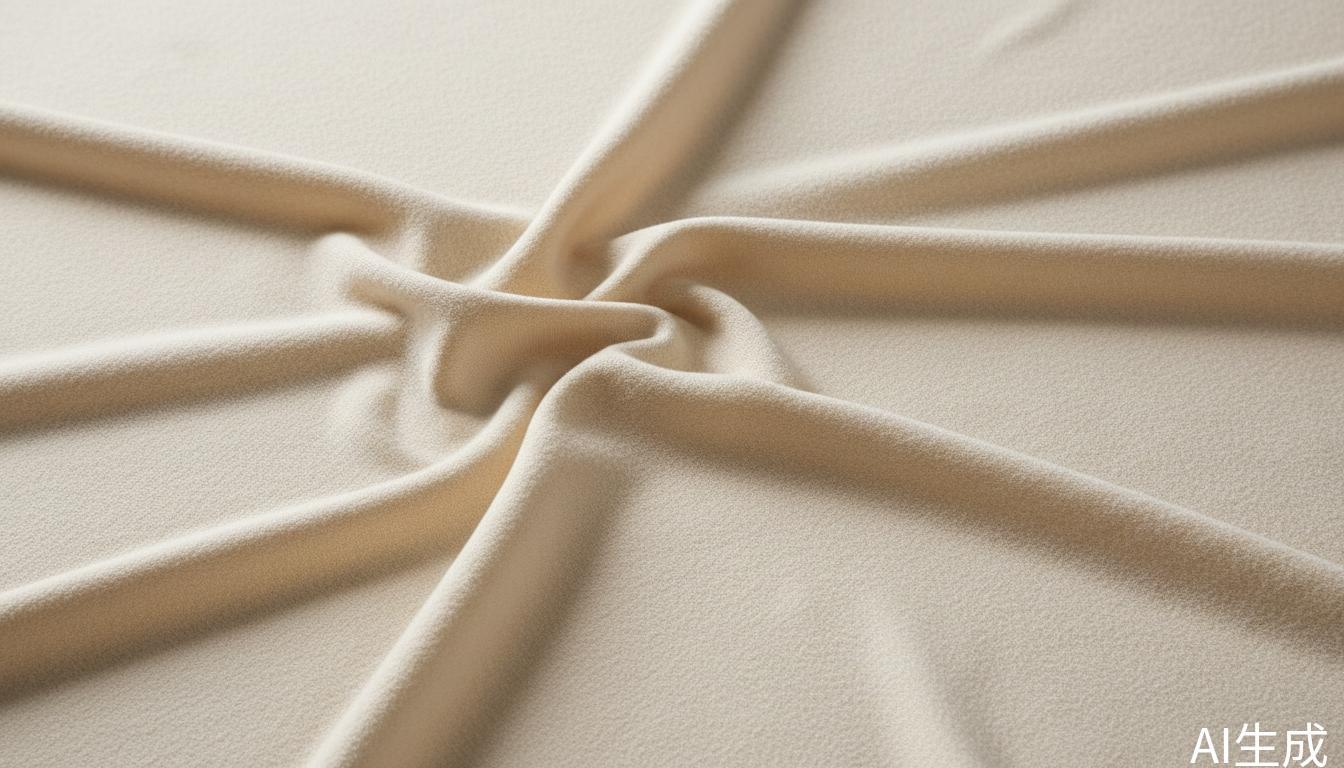
Breathable, Heat-Dissipating Knit Fabrics for Summer Work Pants: A Buyer’s Sourcing Guide
Heat build-up in a summer work pant is not caused by the fabric being “hot” — it is caused by trapped humid air and sweat that cannot evaporate. A breathable, heat-dissipating fabric for summer work pants solves that problem through one or more of four distinct mechanisms: contact conduction, moisture wicking and quick-dry, air permeability, and open structure. Your job as a buyer is to identify which mechanism your wearer actually needs, then specify a construction, blend and test method that deliver it — and survive industrial laundering.
This guide is written for sourcing managers and fabric developers building summer-weight work pants and uniform programs. It covers knit constructions, fiber blends, verification tests, laundering durability, and the realistic development path with a factory.
Why Summer Work Pants Fail on Heat — and What “Breathable” Actually Means
Most summer work pant failures trace back to a mismatch between the cooling mechanism the fabric provides and the mechanism the wearer needs. Four mechanisms deliver measurable cooling, and a fabric can claim “cooling” while only doing one of them.
- Contact conduction — the fabric pulls heat away from skin on contact. This matters most where fabric sits against the thigh and knee for hours.
- Moisture wicking and quick-dry — sweat is moved to the surface and evaporated. Without this, humidity stays trapped against skin.
- Breathability (air permeability) — air moves through the loop structure, carrying humid air out.
- Open structure — physically larger gaps between yarns allow both air and vapor to pass. Work pants are not loose t-shirts. They sit against the thigh and knee for an entire shift, so conduction and wicking matter more than raw air permeability. A pant that scores well on breathability but dries slowly will still feel clammy after two hours of sweat-heavy work.
The practical rule: verify the mechanism and its wash durability, not the marketing label. Ask the mill which of the four mechanisms the fabric uses, and request the corresponding test result. A finish-based cooling effect can fade after repeated laundering, so request data after wash cycles, not just on the greige or freshly finished fabric. For a deeper breakdown of how each mechanism works and how to choose between them, see our cooling fabric technology guide.
Knit Constructions That Dissipate Heat in Work Pants
No single knit construction wins on every axis. The right choice depends on which zones of the pant take the most abrasion and how much stretch the role requires. The table below compares the main options across heat-loss mechanism, weight band, performance and durability.
| Construction / blend | Primary heat-loss mechanism | Typical GSM band | Breathability & quick-dry | Durability under industrial laundering | Best-fit workwear use case |
|---|---|---|---|---|---|
| Single jersey | Air permeability + wicking | Light end of 180–360 GSM | Highest air permeability, fast dry | Lowest — shows wear fastest at high-abrasion zones | Light-duty indoor roles, hot climates |
| Interlock / double-knit | Conduction + wicking | Mid range of 180–360 GSM | Good, slightly slower dry | High — two-sided stability, better opacity | General-purpose summer work pant |
| Pique | Open structure + air permeability | Light to mid range | High air permeability via loop structure | Moderate | Polo-style uniform tops and light pants |
| Mesh / open structure | Open structure + air permeability | Light end | Highest air movement | Low to moderate — depends on yarn | Ventilation panels, high-heat zones |
| 65/35 cotton-poly | Wicking + quick-dry | Mid range | Fast dry, moderate breathability | High | Safest default for uniform programs |
| 85/15 cotton-spandex | Conduction + stretch mobility | Mid range | Moderate | Moderate — keep spandex low for shape retention | Kneeling, climbing, mobility-critical roles |
| Double-face / composite | Conduction (inner) + durability (outer) | Mid to heavy range | Moderate | High | Pants needing a cool inner face and abrasion-resistant outer face |
Single jersey is the lightest and most air-permeable option, but it shows wear fastest at high-abrasion zones like knees and seats. Interlock and double-knit give two-sided stability with better opacity and durability at a slightly higher weight. Pique and mesh/open-structure knits maximise air permeability through the loop structure itself. Rib and stretch knits — including 85/15 cotton-spandex — add movement for kneeling and climbing roles. Double-face and composite constructions let you pair a cool inner face with a durable outer face, which is often the best answer for a pant that must be both comfortable and abrasion-resistant.
The available weight range for these constructions is 180–360 GSM, so summer pants can be specified at the light end while still leaving room for reinforcement panels at the heavier end. For a broader view of how to match construction to season and role, see our summer cooling fabric selection guide.
Fiber and Blend Choices: Cotton, Poly, Nylon, Spandex
Blend ratio drives both drying speed and cost, so decide the ratio before choosing the construction. The fiber decision is the single biggest lever on how a summer work pant feels after four hours of wear.
- 100% combed cotton wins on comfort and skin feel but dries slowly — a real problem for sweat-heavy roles.
- 60/40 and 65/35 cotton-poly blends balance comfort with faster drying. For uniform programs, 65/35 cotton-poly quick-dry is the safest default.
- Nylon adds durability and abrasion resistance where knees and seats wear through.
- Spandex (for example 85/15 cotton-spandex) adds stretch for mobility, but should be kept at low percentages for dimensional stability across many wash cycles. A useful way to frame the trade-off: cotton wins comfort, nylon wins durability, and a cotton-poly quick-dry blend wins the balance for most uniform programs. If your wearer group is split between indoor and outdoor roles, you may need two blends rather than one. The blend decision also interacts with the construction decision — a fast-drying blend in a slow-drying construction will still feel clammy, and a fast-drying construction in a slow-drying fiber will still hold moisture.
For uniform programs specifically, the 65/35 cotton-poly quick-dry route is the lowest-risk starting point, and AATCC 197/195 is the standard reference for verifying drying speed. Our school uniform fabric comparison covers the cotton-versus-nylon-versus-quick-dry trade-off in more detail.
How to Verify Breathability and Heat-Dissipation Claims
Ask which mechanism the fabric uses and request the corresponding test — not a generic “cooling” certificate. This is the single most effective way to separate a real performance fabric from a marketing claim.
- AATCC 197/195 verifies drying speed. This is the standard reference for quick-dry claims.
- Air permeability testing supports breathability claims.
- Wicking tests support moisture-management claims.
- Wash durability matters: a finish-based cooling effect can fade, so request results after repeated laundering.
- Fiber composition should be confirmed independently rather than relying on the supplier’s label.
- QC documentation should be requested up front. A 5-step process from yarn inspection to final fabric inspection at AQL 2.5 is a reasonable benchmark to ask for. A practical checklist for your spec sheet: name the mechanism, name the test method, name the number of wash cycles before retest, and name the acceptance threshold. If a supplier cannot name the test method behind a cooling claim, treat the claim as unverified. When you evaluate suppliers, use a structured bulk uniform fabric supplier evaluation checklist so that test documentation, certification and QC process are compared on the same basis across all candidates.
Specifying for Industrial Laundering and Abrasion
Workwear is washed far more aggressively than fashion, so specify weight and structure for the wash cycle, not just the climate. A fabric that performs beautifully in a wear trial can fail after a season of industrial laundering if the structure is too light or the finish is not durable.
- Higher GSM and interlock/double-face structures resist pilling and thinning better than light single jersey.
- Anti-pilling performance should be confirmed on the actual finished fabric, not assumed from fiber type.
- Colour fastness must hold through repeated industrial washes — confirm the dyeing route and fastness test results.
- Keep stretch percentages low if the pant must hold its shape across many wash cycles. A workable specification pattern for a general-purpose summer work pant is a mid-range interlock or double-knit in a 65/35 cotton-poly blend, with reinforcement panels in a heavier construction at the knees and seat. For mobility-critical roles, a low-percentage spandex blend in a mid-range weight gives stretch without sacrificing shape retention. The key is to specify the abrasion zones separately from the comfort zones rather than asking one fabric to do everything.
Development Path, MOQ and Lead Time for a Custom Workwear Knit
Sampling runs 15–30 days and bulk production runs 35–45 days, so build both into the seasonal calendar before you commit to a launch date. MOQ is 500 kg per color and 2,000 kg per order, which suits multi-size uniform rollouts but constrains small pilots.
A factory-direct model that integrates knitting, dyeing and finishing shortens the loop between trial and bulk, because the same operation controls the greige, the dye bath and the finishing step. Certifications to request up front are OEKO-TEX Standard 100 and ISO 9001. Capacity of 1,000 tons per month supports programme-scale rollouts across regions.
A realistic development sequence for a custom breathable workwear knit:
- Define the mechanism and the wearer role (indoor, outdoor, mobility-critical).
- Select blend ratio, then construction, then GSM band.
- Request samples and the corresponding test data (drying, air permeability, wicking).
- Run a wear trial in the actual work environment.
- Confirm wash durability and colour fastness before bulk.
- Lock the spec sheet with named test methods and acceptance thresholds.
Frequently Asked Questions
What is the best breathable fabric for summer work pants? For most uniform programs, a mid-range interlock or double-knit in a 65/35 cotton-poly blend is the safest default, because it balances fast drying with durability under industrial laundering. For mobility-critical roles, a low-percentage spandex blend in a mid-range weight adds stretch. The best choice depends on which heat-loss mechanism your wearer needs most.
How do I test whether a fabric is actually heat-dissipating or just marketed as cooling? Ask the supplier which mechanism the fabric uses — contact conduction, wicking and quick-dry, breathability, or open structure — and request the corresponding test. AATCC 197/195 verifies drying speed, air permeability testing supports breathability claims, and wicking tests support moisture-management claims. Request results after repeated laundering, because a finish-based cooling effect can fade.
Is cotton or poly-cotton better for hot-weather work uniforms? Cotton wins on comfort and skin feel but dries slowly, which is a problem for sweat-heavy roles. A 65/35 cotton-poly quick-dry blend is the safest default for uniform programs because it balances comfort with faster drying. Nylon adds durability where knees and seats wear through.
What GSM should summer work pant fabric be? Specify at the light end of the 180–360 GSM range for the main pant body, and use a heavier construction for reinforcement panels at the knees and seat. Light single jersey is the most air-permeable but shows wear fastest, so mid-range interlock or double-knit is often the better balance for a pant that must survive industrial laundering.
What is the MOQ and lead time for custom breathable workwear knit fabric? MOQ is 500 kg per color and 2,000 kg per order. Sampling takes 15–30 days and bulk production takes 35–45 days, so both should be built into the seasonal calendar. Certifications to request up front are OEKO-TEX Standard 100 and ISO 9001.
References
- Cooling Fabric Technology: How It Works for Buyers
- Summer Cooling Fabric Selection Guide
- School Uniform Fabric: Cotton vs Nylon Quick Dry
- Bulk Uniform Fabric Supplier Evaluation Checklist
- yxxfabric.com — Knit Fabric Manufacturer and Wholesaler To move from spec to sample, send us your target mechanism, blend ratio and GSM band and we will confirm feasibility and sampling timing. We can also quote against your MOQ and lead-time requirements for a programme-scale rollout.