Nylon Fabric for Summer Sportswear Pros and Cons: A Buyer’s Guide
Nylon knit is the right fiber for a summer sportswear set when fit retention, second-skin hand feel and long wear life are the selling points — and the wrong fiber when dry speed and cost are the priority. This guide gives sourcing managers and fabric developers an honest pros/cons breakdown, a fiber comparison table, and the exact specs to write into an RFQ for a tank + short or tee + legging program.
Why Buyers Reach for Nylon in Summer Sportswear Sets
Nylon’s core advantage is superior stretch recovery and durability, which is why it dominates high-abrasion activewear. A summer set lives or dies on recovery at the waistband, thigh and shoulder — nylon-spandex knits hold shape through wear and wash better than cotton blends, and they do it without the bagging that shows up after a few cycles in softer fibers.
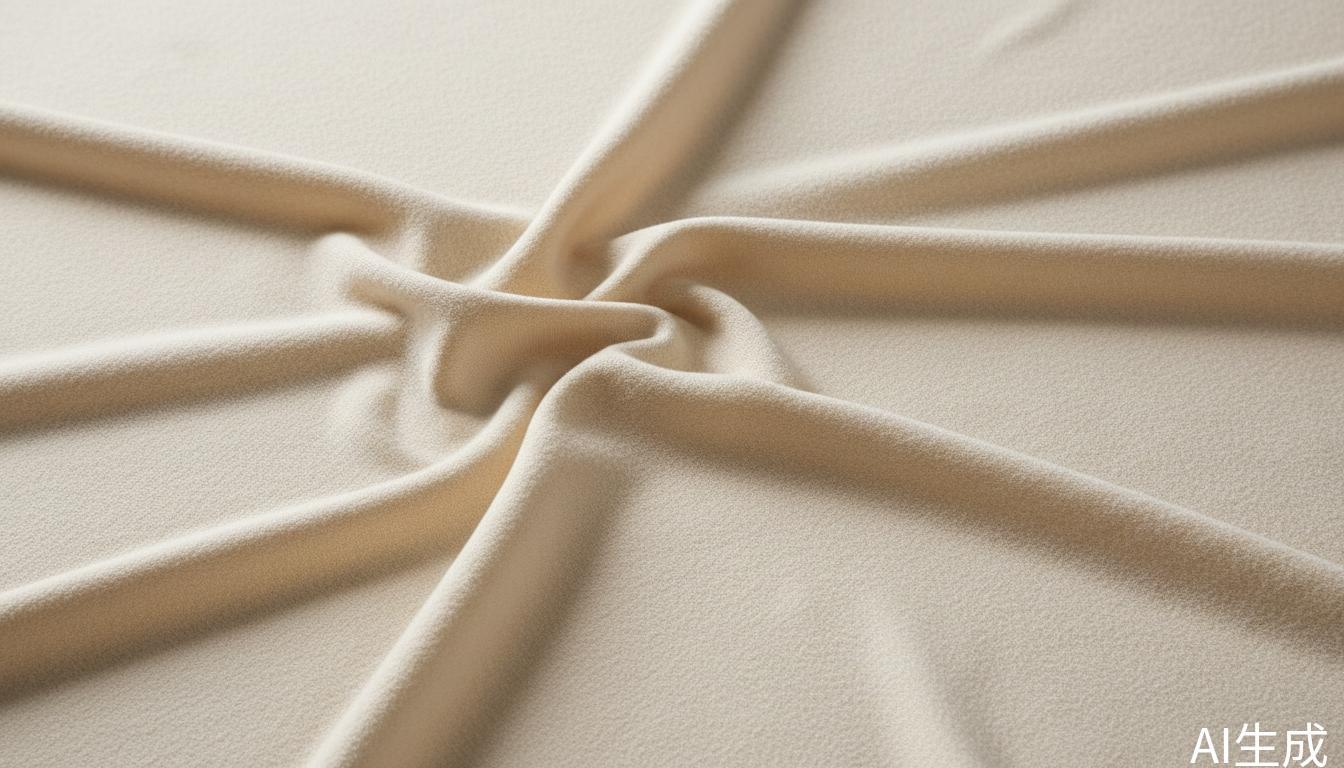
The hand feel matters just as much. Nylon’s smooth, low-friction surface supports second-skin silhouettes and reduces chafing in hot weather, which is exactly what a summer legging or fitted tank needs. It also takes dye deeply, giving the saturated, fashion-forward colors summer collections rely on — a real commercial advantage when your color palette is part of the sell.
Framing this correctly matters: nylon is a performance fiber, not a budget fiber. The decision is not “is nylon better?” but “where does the premium earn its place in this set?” For most programs, that means the bottom (shorts, leggings) where recovery and abrasion are tested hardest, and selectively on the top where the silhouette benefits from the smooth hand.
If you are still weighing fiber families, our comparison of polyester vs nylon knit fabric breaks down the performance and cost trade-offs in more detail.
The Honest Cons: Heat, Dry Speed and Cost
Nylon costs more than polyester, and polyester dries faster — those two facts define the cons. The premium must be justified by durability or hand feel, not by wicking, because polyester offers better moisture-wicking than nylon. A poorly constructed nylon knit can feel clammy in high humidity, and that is a construction and finishing problem as much as a fiber problem.
Nylon’s strength cuts both ways. It resists abrasion, but it can feel slick or overtly synthetic if the knit structure and finishing are not tuned. Nylon is also more sensitive to heat in finishing and care, so buyers should confirm finishing routes and care labeling with the mill before locking a program.
The table below summarizes where each fiber wins and loses for a summer set.
| Decision criterion | Nylon (nylon-spandex knit) | Polyester (poly-spandex knit) | Cotton blend (cotton-spandex) |
|---|---|---|---|
| Moisture management / dry speed | Moderate; slower dry | Best; fastest dry | Slowest; holds moisture |
| Stretch recovery | Best; holds shape | Good | Moderate; can bag |
| Abrasion durability | Best; high-abrasion ready | Good | Lower |
| Hand feel | Smooth, cool, second-skin | Dry, slightly slick | Soft, natural |
| Cost position | Highest | Lowest | Mid |
| Best-fit garment use | Leggings, shorts, compression-adjacent pieces | High-sweat tops, liners | Casual tops, warm-up layers |
Read the table as a routing tool, not a ranking. If your set’s promise is that it stays put and looks new after repeated wear, nylon earns its premium. If the promise is fast drying on a humid run, polyester is the safer spec.
Nylon vs Polyester vs Cotton Blends: Which Fiber for Which Part of the Set
Nylon wins on stretch recovery and durability; polyester wins on wicking and dry speed; cotton blends win on hand feel and cost. The practical answer for a summer set is usually a split: nylon-spandex for the bottom where recovery and abrasion matter most, and polyester or a poly-blend for the top where dry speed matters.
For a fully nylon set, specify a knit structure and finishing route that compensates for nylon’s slower dry speed — a more open knit, a wicking finish, or a lighter weight at the top. Do not assume the fiber alone delivers the performance; the construction carries half the load.
Use the comparison above to align product, sourcing and QA teams on one fiber decision before the RFQ goes out. Mixed assumptions between design and sourcing are the most common cause of late-stage fabric rejections.
One sourcing note: yxxfabric.com’s published composition range covers cotton, cotton-poly and cotton-spandex blends, so confirm nylon-spandex availability and construction at the inquiry stage rather than assuming it is a catalog item. For a broader view of hot-weather construction choices, see our summer cooling fabric selection guide.
Spec Sheet: What to Write Into the RFQ for a Summer Nylon Set
Write test methods and tolerances into the RFQ, not adjectives. “Breathable” and “quick-dry” are not specs; AATCC 197/195, ASTM D3107 and Martindale abrasion results are. Requiring test data up front is the single fastest way to separate mills that can actually run a performance program from those that cannot.
Weight: yxxfabric.com knit fabrics run 180–360 GSM. Summer set tops typically sit at the lighter end of that range, while bottoms run heavier for opacity and recovery. Lock the GSM per panel, not per style.
Moisture management: require test data to AATCC 197/195. Stretch recovery: require ASTM D3107 data, especially for waistbands, cuffs and thigh panels. Durability: require Martindale abrasion results for high-wear zones. These three test methods are the backbone of an activewear spec sheet.
Also lock composition and spandex percentage, colorfastness to wash/light/perspiration, pilling resistance, shrinkage tolerance, and a hand-feel reference sample. Finally, ask for the mill’s QC protocol — yxxfabric.com runs 5-step QC from yarn inspection to final fabric inspection at AQL 2.5. Our activewear performance fabric sourcing guide walks through each test in more depth.
Sourcing Practicalities: MOQ, Lead Time and De-Risking
Plan colorways against MOQ before design freeze, because MOQ is where summer set programs most often stall. yxxfabric.com MOQ is 500 kg per color and 2,000 kg per order. If your set has several colorways, that is a real commitment — consolidate or phase the palette early.
Sampling runs 15–30 days and bulk production 35–45 days. Build both into the summer drop calendar with buffer; a late lab dip approval can push a bulk window past the retail set date.
yxxfabric.com is a Guangzhou factory-direct knit mill with 15 years’ experience, 30,000 m² across knitting, dyeing and finishing, 200+ circular knitting machines and 1,000 tons monthly capacity. Certifications to request for EU/US programs: OEKO-TEX Standard 100 and ISO 9001.
De-risk checklist: lab dip approval before bulk, pre-production sample sign-off, in-line inspection, and final inspection against AQL 2.5. Each step catches a different failure mode — color, construction, and consistency — so skipping one shifts risk to the warehouse.
Verdict: When Nylon Is Worth It for a Summer Set
Choose nylon when the set’s selling point is fit retention, second-skin feel and long wear life — especially bottoms and compression-adjacent pieces. Choose polyester when dry speed and cost are the priority, or for high-sweat tops. The hybrid approach — nylon-spandex bottoms plus a polyester or poly-blend top — often gives the best performance-per-cost for a summer set.
Whatever the fiber, the spec sheet decides whether the garment performs, not the fiber name alone. Wicking, recovery, abrasion and colorfastness data are what protect you at retail; the fiber choice only sets the ceiling.
Next step: send your set’s construction and target specs to a factory-direct mill for a counter-sample and test data. You can request samples and a quote against your RFQ, and compare the returned test reports side by side before committing to bulk.
References
- Polyester vs Nylon Fabric for Activewear: Performance & Cost
- Activewear Fabric Supplier: Moisture-Wicking, Stretch & Durability
- Summer Cooling Fabric Selection Guide
- yxxfabric.com — Knit Fabric Manufacturer
FAQ
Is nylon good for summer sportswear or does it feel too hot? Nylon is good for summer sportswear when the knit is built for it — a lighter weight at the top, an open structure, and a wicking finish. Nylon itself dries slower than polyester, so a dense or heavily finished nylon knit can feel clammy in high humidity. Spec the construction and finishing route, not just the fiber.
Nylon vs polyester for sportswear — which is better for summer? Polyester offers better moisture-wicking and lower cost, while nylon provides superior stretch recovery and durability. For a summer set, polyester suits high-sweat tops and cost-sensitive programs, while nylon suits bottoms and pieces where fit retention matters. Many brands split the set by panel.
What GSM should a nylon summer sportswear set be? yxxfabric.com knit fabrics run 180–360 GSM. Summer set tops typically sit at the lighter end of that range, while bottoms run heavier for opacity and recovery. Lock GSM per panel rather than per style so QA has a measurable target.
Does nylon dry faster than polyester? No — polyester dries faster than nylon. Nylon’s advantage is stretch recovery and durability, not dry speed. If dry speed is the primary claim on your hangtag, polyester or a poly-blend is the safer spec.
What specs should I put in an RFQ for nylon activewear fabric? Require moisture-wicking data to AATCC 197/195, stretch recovery to ASTM D3107, and Martindale abrasion results for high-wear zones. Also lock composition and spandex percentage, colorfastness to wash/light/perspiration, pilling resistance, shrinkage tolerance, and a hand-feel reference sample.