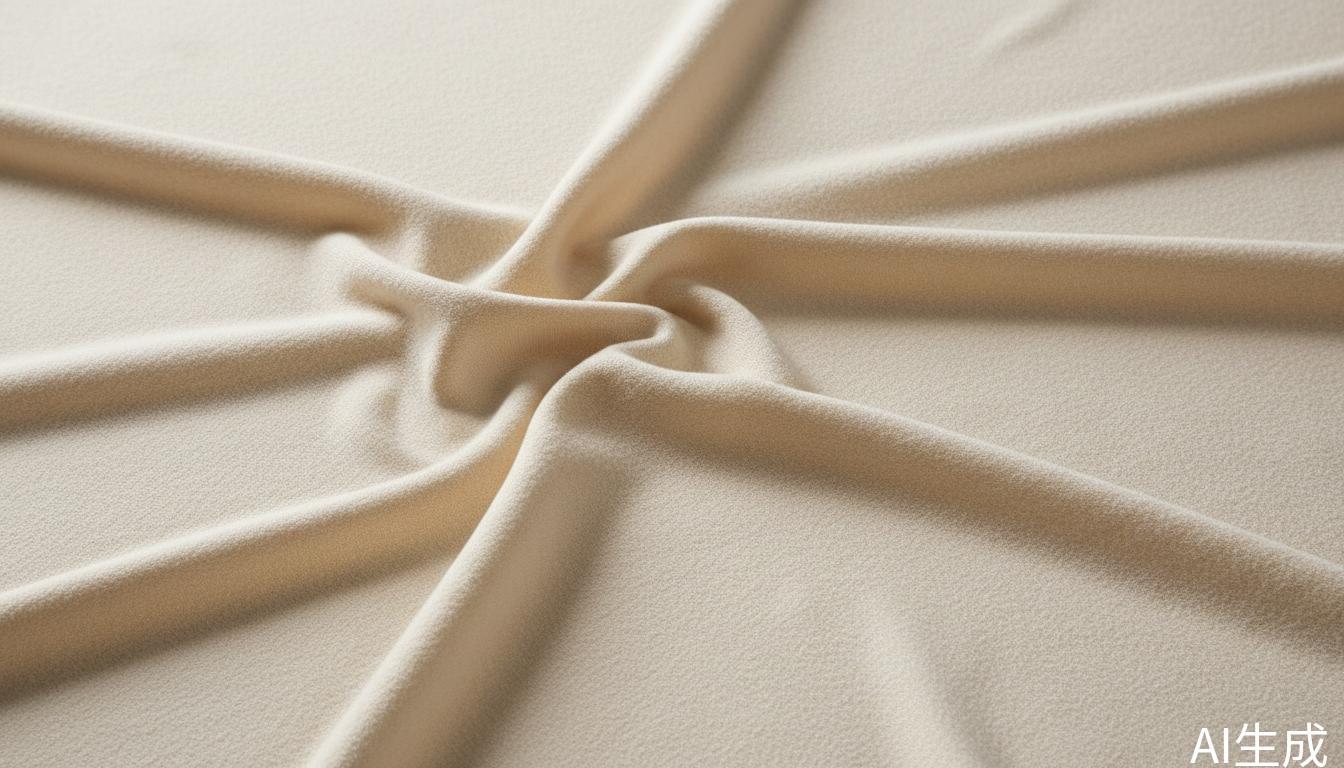
80/20 Polyester Cotton Knit Fabric: Properties, Uses and Sourcing
80/20 polyester-cotton knit fabric is a poly-dominant blend (80% polyester, 20% cotton) that delivers strong durability, shape retention and fast drying, with just enough cotton to soften the hand feel. It is not the same as 80/20 cotton-poly, where cotton dominates — a distinction that changes performance and cost significantly. This guide explains the real properties, compares 80/20 with 65/35 and 60/40, and gives you a sourcing checklist for specs, MOQ and lead times.
What 80/20 Polyester-Cotton Knit Fabric Actually Is
80/20 polyester-cotton knit is a knitted fabric where polyester is the majority fibre (80%) and cotton is the minority (20%). The polyester drives durability, colour retention and quick drying; the cotton contributes a softer, less synthetic hand feel and some next-to-skin comfort. This is the opposite of an 80/20 cotton-poly blend, where cotton is 80% and polyester 20% — a common buyer confusion that leads to wrong expectations on shrinkage and cost.
In knit form, 80/20 is typically produced as jersey, pique or interlock. The weight band for apparel knits generally runs from 180 to 360 GSM, covering lightweight tees through mid-weight polos and uniforms. Because polyester is the majority, the fabric behaves more like a synthetic: it resists wrinkling, holds shape after washing, and dries faster than cotton-rich knits. The 20% cotton is enough to take the edge off the plastic feel but not enough to deliver the full absorbency or premium hand of a high-cotton blend.
Buyers often ask whether 80/20 poly-cotton is the same as 80/20 cotton-poly. It is not. The ratio order matters: the first number is the dominant fibre. An 80/20 poly-cotton will be more durable and cheaper on the polyester side, while an 80/20 cotton-poly will feel softer but shrink more and cost more due to cotton exposure. Always confirm the composition order in the tech pack and on the mill’s test report.
For a deeper comparison of how blend ratios affect performance, see our cotton-polyester blend ratio guide.
Key Properties: Performance, Hand Feel and Care
80/20 poly-cotton knit offers high durability, good pilling resistance, low shrinkage and excellent colour retention, but it is less breathable and less absorbent than cotton-rich blends. The polyester majority makes the fabric strong and dimensionally stable; the cotton minority softens the surface and improves comfort slightly. Buyers should expect a slightly synthetic hand feel and faster drying compared to 100% cotton or 60/40 cotton-poly.
Durability and abrasion resistance come from the polyester. Polyester fibres are strong and resist abrasion, so 80/20 knits hold up well in repeated washing and wearing — a key reason they are used in uniforms and workwear. Pilling is generally low because polyester fibres are smooth and the tight knit structure reduces surface fuzz, though low-quality yarns can still pill. Shrinkage is lower than cotton-rich blends: polyester does not shrink much with washing, so 80/20 knits are more dimensionally stable. However, the cotton content can still cause some shrinkage if the fabric is not properly pre-shrunk, so always specify a shrinkage tolerance.
Moisture handling is a trade-off. Polyester wicks moisture away from the skin and dries quickly, which is good for active or warm-weather garments. But the 20% cotton reduces overall absorbency compared to a 60/40 cotton-poly. For high-sweat applications, a poly-dominant blend can feel clammy if the fabric is not engineered for wicking. Breathability is moderate: the knit structure (jersey vs pique) matters more than the fibre ratio for air permeability. A pique 80/20 will breathe better than a dense interlock.
Colour retention and printability are strong. Polyester takes disperse dyes well and holds colour through washing, making 80/20 a good choice for vibrant colours and sublimation printing. Cotton takes reactive dyes, so the blend may require two dye classes — confirm the mill can achieve consistent shade across both fibres.
For a detailed performance comparison of 65/35 poly-cotton, see our 65/35 polyester cotton knit fabric performance guide.
80/20 vs 65/35 vs 60/40: Which Blend for Which Garment
80/20 poly-cotton is the most durable and dimensionally stable of the three common blends, but it has the least cotton comfort and the highest polyester content. 65/35 balances softness and durability, while 60/40 saves 12–18% versus higher-cotton blends and reduces cotton price volatility exposure. Choose 80/20 when durability and cost control matter more than a premium cotton hand feel.
The table below compares the three blends across key decision factors.
| Factor | 80/20 Poly-Cotton | 65/35 Poly-Cotton | 60/40 Cotton-Poly |
|---|---|---|---|
| Dominant fibre | Polyester (80%) | Polyester (65%) | Cotton (60%) |
| Hand feel | Slightly synthetic, soft enough | Balanced, softer than 80/20 | Cotton-rich, softest |
| Durability | Highest | High | Moderate |
| Shrinkage tendency | Low | Low to moderate | Moderate to higher |
| Moisture absorbency | Low | Moderate | Higher |
| Drying speed | Fastest | Fast | Slower |
| Cost position | Lowest cotton exposure | Mid | 12–18% savings vs higher-cotton blends* |
| Best-fit garments | Uniforms, workwear, promotional tees, casual tops | Polos, everyday tees, casual knits | Premium tees, next-to-skin basics |
*According to our blend ratio guide, 60/40 saves 12–18% versus higher-cotton blends and reduces cotton volatility exposure.
Decision logic by garment:
- Tees: 80/20 works for promotional and budget tees where durability and colour retention matter. For retail tees where hand feel sells, 65/35 or 60/40 is better.
- Polos: 65/35 is the sweet spot for polos — enough cotton for comfort, enough polyester for shape retention. 80/20 can work for uniform polos.
- Uniforms and workwear: 80/20 is a strong fit due to abrasion resistance and low shrinkage.
- Casual knits: 80/20 suits casual tops and linings where cost and durability are priorities.
- Premium basics: avoid 80/20; cotton-rich blends are expected. For a deeper dive into 80/20 cotton-poly (cotton-dominant) properties, see our 80/20 cotton polyester blend fabric guide.
Best Uses and Where 80/20 Falls Short
80/20 poly-cotton knit is a strong fit for uniform and workwear knits, promotional tees, casual tops, linings and trims — applications where durability, colour retention and cost control outweigh the need for a premium cotton hand feel. It is a moderate fit for everyday t-shirts where cost matters more than pure-cotton feel, and a weak fit for premium next-to-skin cotton basics, high-heat summer base layers, and garments where cotton hand feel is the selling point.
Strong fit:
-
Uniform and workwear knits: the polyester majority resists abrasion and holds shape through industrial laundering.
-
Promotional tees: low cost, good colour retention for logos and prints, and durable enough for giveaways.
-
Casual tops and linings: 80/20 provides a stable base fabric that does not shrink excessively.
-
Trims and ribbing: polyester content helps rib recover and maintain elasticity. Moderate fit:
-
Everyday t-shirts: acceptable if the target price is tight and the brand does not market on cotton softness. But for retail tees, 65/35 or 60/40 will feel better. Weak fit:
-
Premium next-to-skin cotton basics: customers expect a soft, breathable cotton feel; 80/20 will feel synthetic.
-
High-heat summer base layers: low absorbency can feel clammy; consider cotton-rich or engineered wicking fabrics.
-
Garments where cotton hand feel is the selling point: e.g., luxury tees, babywear, sensitive-skin lines. Polyester vs nylon note: for active/casual crossover styles, polyester offers better moisture-wicking and lower cost than nylon, while nylon provides superior stretch recovery and durability for high-abrasion activewear. If your garment needs stretch recovery, consider a nylon blend; if it needs fast drying and cost efficiency, 80/20 poly-cotton is a better choice. See our polyester vs nylon knit fabric comparison.
Sourcing 80/20 Poly-Cotton Knit: Specs, MOQ and Lead Times
To source 80/20 poly-cotton knit reliably, specify GSM, knit structure, colourfastness standard and shrinkage tolerance in the tech pack, and verify composition independently before bulk approval. A typical mill like YXX Fabric offers sampling in 15–30 days, bulk production in 35–45 days, MOQ of 500 kg per colour and 2,000 kg per order, and holds OEKO-TEX Standard 100 and ISO 9001 certifications.
Specification checklist:
- GSM: choose within the 180–360 GSM range. Lightweight jersey (180–200 GSM) for tees; mid-weight pique (200–240 GSM) for polos; heavier interlock (240–300 GSM) for uniforms.
- Knit structure: jersey, pique, interlock, rib — each affects stretch, breathability and hand feel.
- Colourfastness: specify a minimum rating for washing, rubbing and light in your tech pack.
- Shrinkage tolerance: state a maximum shrinkage tolerance after specified wash cycles.
- Composition verification: request a fibre composition test from a third-party lab before bulk. Lead times and MOQ: YXX Fabric sampling takes 15–30 days; bulk production 35–45 days. MOQ is 500 kg per colour and 2,000 kg per order. Plan your development calendar accordingly — if you need multiple colourways, the per-colour MOQ applies to each.
Certifications: request OEKO-TEX Standard 100 (for harmful substances) and ISO 9001 (quality management). These are standard for reputable Chinese mills and should be verified with certificate numbers.
Quality control: YXX runs a 5-step QC process from yarn inspection to final fabric inspection at AQL 2.5. Ask for the inspection report and confirm the AQL level matches your brand’s requirements.
Factory profile: YXX Fabric has 15 years of experience, operates three integrated plants across 30,000 m² with 200+ circular knitting machines, and has a monthly capacity of 1,000 tons. It has served 200+ global brands. These credentials reduce sourcing risk but do not replace your own QC.
Cost Position and Cotton-Price Exposure
80/20 poly-cotton knit reduces exposure to cotton price volatility compared to high-cotton blends, and polyester is generally lower cost than nylon for comparable knit applications. The blend ratio is a lever for margin control: when cotton prices rise, shifting to a poly-dominant blend like 80/20 can protect your landed cost. However, confirm all landed cost factors — shipping terms, payment terms, duties — before committing.
Polyester prices are tied to oil markets, which have their own volatility, but the 80/20 blend still reduces cotton exposure significantly versus 60/40 or 100% cotton. According to our blend ratio guide, 60/40 saves 12–18% versus higher-cotton blends; 80/20 goes further by using even more polyester. For buyers, this means 80/20 can be a cost-effective choice for high-volume programmes where durability and colour retention are valued over cotton hand feel.
When comparing suppliers, ask for a breakdown of fabric cost by component (yarn, knitting, dyeing, finishing) to understand where savings come from. Also consider the total cost of ownership: lower shrinkage and better durability can reduce waste and returns, offsetting a slightly higher initial price. Always request a quote with clear Incoterms and payment terms.
Frequently Asked Questions
What are the properties of 80 polyester 20 cotton fabric? 80/20 poly-cotton knit is durable, fast-drying, low-shrinkage and holds colour well, with a slightly synthetic hand feel. It is less breathable and absorbent than cotton-rich blends, making it best for uniforms, promotional tees and casual tops.
Is 80/20 poly cotton good for t-shirts? It works for promotional and budget tees where durability and colour retention matter, but for retail tees where softness sells, 65/35 or 60/40 is a better fit. 80/20 can feel synthetic against the skin.
Does 80/20 polyester cotton shrink? Less than cotton-rich blends. Polyester resists shrinkage, so 80/20 knits are dimensionally stable, but the 20% cotton can still cause some shrinkage if not pre-shrunk. Specify a shrinkage tolerance (e.g., 3–5%) in the tech pack.
Is 80% polyester 20% cotton breathable in summer? Moderately. The knit structure matters more than the fibre ratio: a pique 80/20 breathes better than a dense interlock. For high-heat summer base layers, a cotton-rich or engineered wicking fabric is better.
What is the minimum order quantity for 80/20 poly cotton knit fabric from a China factory? At YXX Fabric, MOQ is 500 kg per colour and 2,000 kg per order. Sampling takes 15–30 days and bulk production 35–45 days. Confirm these terms with your supplier before committing.
References
- Cotton Polyester Blend Ratio: 60/40 vs 65/35 vs 80/20 Guide
- 65/35 Polyester Cotton Knit Fabric Performance
- 80/20 Cotton Polyester Blend Fabric Guide
- Polyester vs Nylon Knit Fabric Comparison
- YXX Fabric Home
Ready to evaluate 80/20 poly-cotton knit for your next programme? Request samples and a quote from YXX Fabric — we will confirm specs, lead times and MOQ against your tech pack.