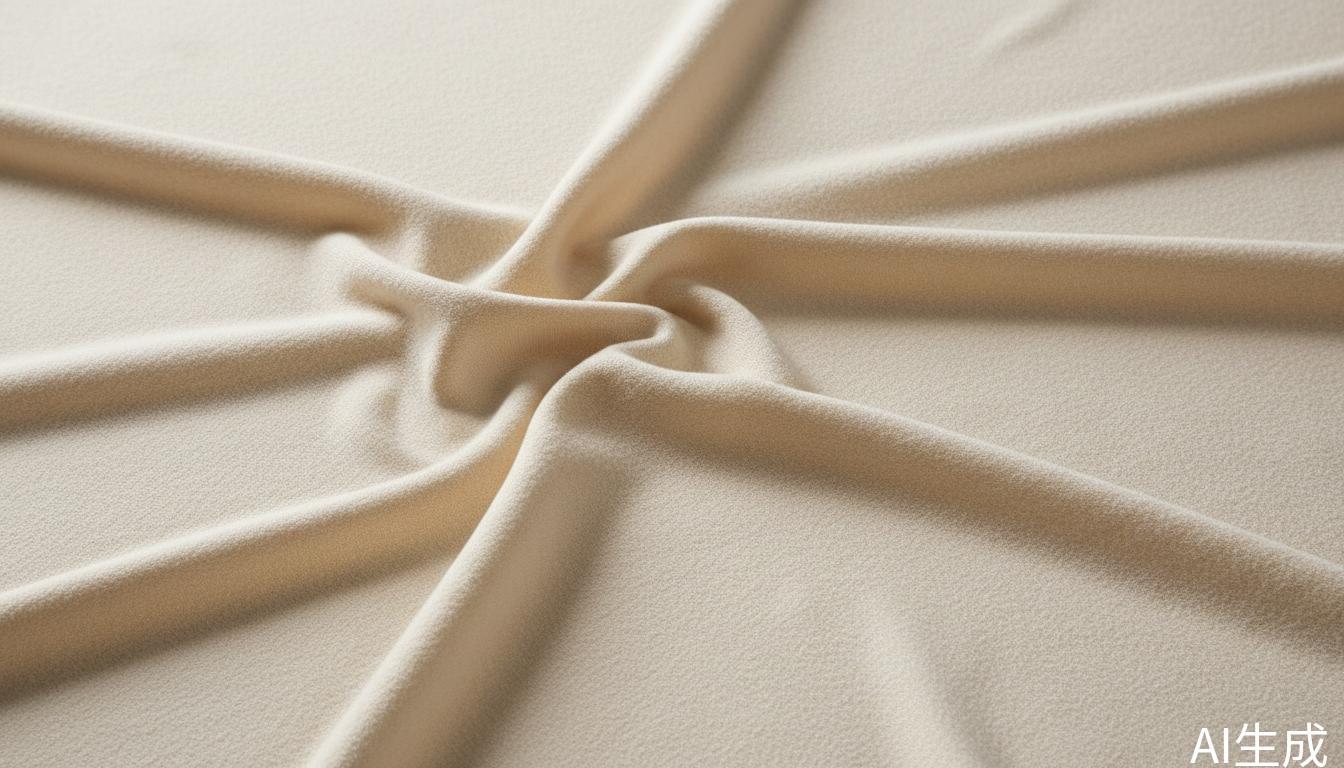
Does 65 Cotton 35 Polyester Fabric Shrink? A Buyer’s Guide to Shrinkage and Pre-Shrunk Options
Does 65 cotton 35 polyester fabric shrink? Yes, 65/35 cotton-polyester knit fabric can shrink, but it carries less shrinkage risk than higher-cotton blends like 80/20 and offers better shape retention than 100% cotton. The polyester share (65%) is dimensionally stable and resists shrinkage, while the cotton portion (35%) can relax and swell with water and heat. The actual shrinkage you see depends on knitting tension, dyeing and finishing relaxation, and wash conditions — not composition alone. For most apparel programs, a 65/35 knit can be specified to meet a ≤3% shrinkage tolerance under AATCC 135 or ISO 6330, provided the tech pack names the standard, wash cycle, and cycle count. This guide explains why 65/35 shrinks, how much is acceptable, how it compares with 100% cotton and 80/20, and what pre-shrunk or shrinkage-controlled options you can request from a mill. This guide assumes circular-knit 65/35 jersey/interlock; woven 65/35 behaves differently.
Does 65/35 Cotton Polyester Knit Fabric Shrink?
Yes, 65/35 cotton-polyester knit can shrink, but typically less than 100% cotton or 80/20 blends because the majority polyester content resists dimensional change. Cotton fibers absorb water, swell, and relax during washing and drying, which can cause fabric to contract. Polyester fibers are hydrophobic and heat-stable, so they hold their dimensions. With 65% polyester, the fabric has a built-in buffer against shrinkage. However, shrinkage is not driven by fiber composition alone. Knitting tension, yarn twist, dyeing and finishing methods, and the customer’s wash conditions all influence final shrinkage. A loosely knitted 65/35 can shrink more than a tightly constructed 80/20 if the finishing is not controlled. That is why buyers should treat shrinkage as a process specification, not just a fiber ratio. For a deeper look at how 65/35 performs in t-shirt programs, see our guide to 65/35 polyester-cotton knit fabric performance.
How Much Shrinkage Is Acceptable — and Under Which Standard?
Acceptable shrinkage for most cotton knits is ≤3% under AATCC 135 or ISO 6330, but that tolerance only holds when the tech pack explicitly names the standard, wash cycle, and cycle count. Without a named standard, “pre-shrunk” claims are not verifiable at inspection. Shrinkage should be specified separately for length and width, because a fabric may meet the overall tolerance while exceeding it in one direction. Require separate length and width tolerances because an overall pass can hide directional failure. Buyers should also define the wash cycle and the number of cycles, because shrinkage can increase with repeated washing. The ≤3% figure is a common industry benchmark for cotton knits, but it is not universal; tolerances vary by garment type and program. The key is to lock the protocol in writing before sampling. For a detailed breakdown of tolerance ranges by fabric type, see our acceptable fabric shrinkage tolerance guide.
65/35 vs 100% Cotton vs 80/20: Shrinkage and Shape Retention
65/35 polyester-cotton has less shrinkage risk than 80/20 and better shape retention than 100% cotton, making it a balanced choice for t-shirt, polo, and uniform programs. The table below compares the three compositions on shrinkage risk, shape retention, and the test standard you should specify for each.
| Composition | Shrinkage Risk | Shape Retention | Typical Hand Feel | Test Standard to Specify | Recommended Tolerance |
|---|---|---|---|---|---|
| 100% Cotton | High | Moderate | Soft, natural | AATCC 135 or ISO 6330 | ≤3% (requires compacting/pre-shrunk finishing) |
| 80/20 Cotton-Poly | Moderate to High | Good | Soft with slight synthetic touch | AATCC 135 or ISO 6330 | ≤3% |
| 65/35 Cotton-Poly | Low to Moderate | Very Good | Smooth, durable | AATCC 135 or ISO 6330 | ≤3% |
Higher cotton content trades hand-feel for greater shrinkage exposure. 100% cotton offers the softest hand but requires careful finishing (e.g., compacting) to control shrinkage. 80/20 is a middle ground, but it still has enough cotton to shrink noticeably if not pre-shrunk. 65/35 provides the best dimensional stability among the three, which is why it is popular for uniforms and corporate wear where appearance retention matters. However, 65/35 may feel slightly less breathable than 100% cotton, so choose the ratio against the garment’s wash-care promise and end-use, not just cost. For more on how 65/35 balances softness and durability, see our performance guide.
Pre-Shrunk and Shrinkage-Controlled Options
Pre-shrunk and shrinkage-controlled 65/35 knits are available, but you must specify the finishing route and test protocol in writing to make the claim verifiable. Mills can apply compacting (mechanical shrinking) or relaxation finishing to reduce residual shrinkage. However, the effectiveness depends on the process and the fabric construction. When sourcing, ask the mill which finishing route is applied and request the shrinkage specification in writing, including the test standard, wash cycle, and cycle count. Request shrinkage test reports from the sample stage, not only bulk, so you can catch issues early. Confirm that the fabric is tested after the finishing step that will be used in bulk — testing before compacting gives misleading results. Also, specify whether the fabric is pre-shrunk before or after dyeing, as some processes can reintroduce shrinkage. For a step-by-step guide to shrinkage test standards, see our fabric shrinkage test standards guide.
How to Verify Shrinkage Before Bulk
To verify shrinkage before bulk, name AATCC 135 or ISO 6330 plus the cycle count in the tech pack before sampling, then compare lab results against the ≤3% tolerance. Follow these steps:
- Define the protocol: Specify the standard (AATCC 135 or ISO 6330), wash temperature, drying method, and number of cycles in the tech pack.
- Test at sample stage: Request shrinkage test reports from the mill for the sample fabric, not just bulk.
- Compare against tolerance: Check length and width shrinkage separately against your tolerance (e.g., ≤3% each).
- Re-test after changes: If the composition, knitting tension, or finishing changes, re-test shrinkage.
- Lock into PO: Include the approved shrinkage spec as an inspection criterion in the bulk purchase order. This process ensures that what you approve in sampling is what you receive in bulk. Without a written protocol, “pre-shrunk” is just a marketing term. For a comprehensive checklist, see our acceptable shrinkage guide.
References
- 65/35 Polyester-Cotton Knit Fabric Performance
- Acceptable Fabric Shrinkage Tolerance Guide
- Fabric Shrinkage Test Standards Guide
- AATCC 135 Test Method
- ISO 6330 Standard
Ready to specify a 65/35 knit with confidence? Request samples and shrinkage test reports from our team to validate performance for your program.