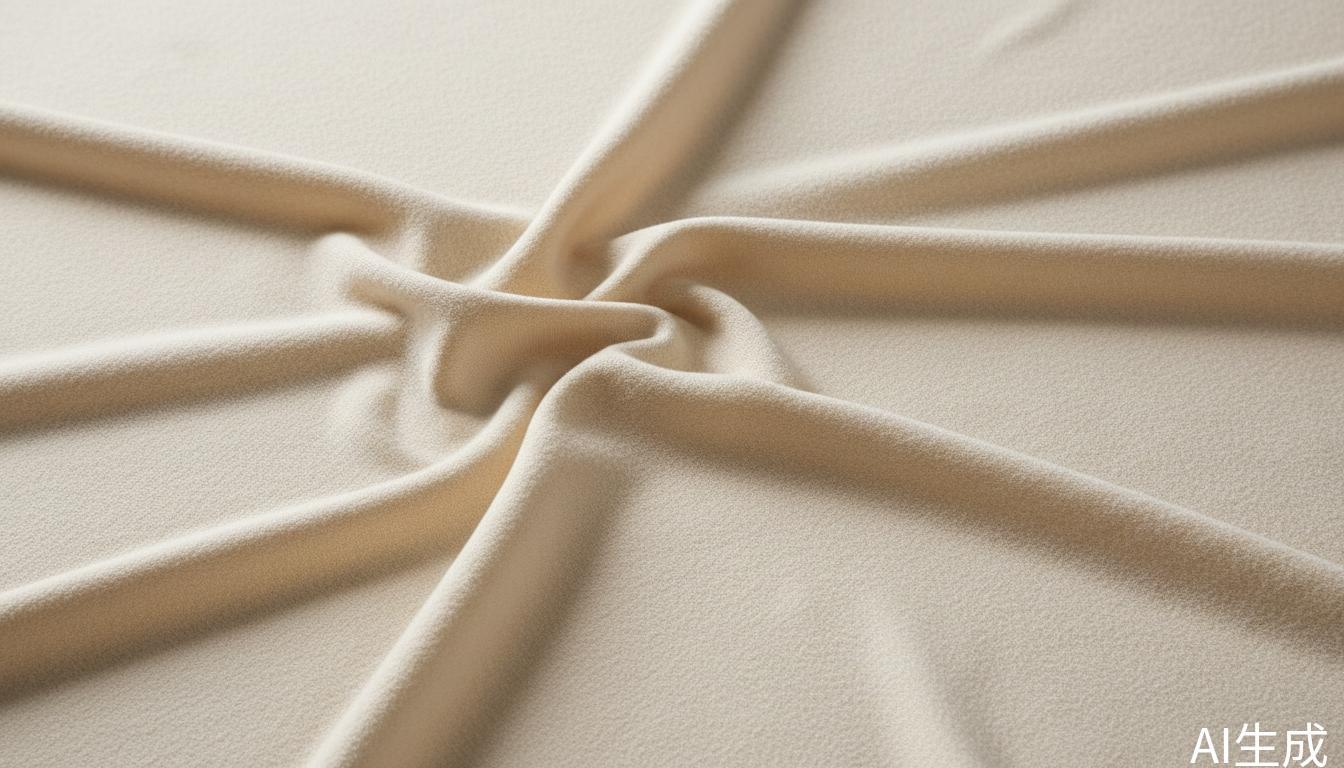
Heavy Weight Knit Fabric for Rugby Shirts: GSM, Composition, and Supplier Tips
Rugby shirts demand a heavy weight knit fabric, typically 240-360 GSM, to withstand the sport’s intense physical demands. This guide covers the GSM range, fiber compositions, performance properties, supplier evaluation criteria, and common pitfalls to help you source the right fabric.
Why Rugby Shirts Demand Heavy Weight Knit Fabric
Rugby shirts are subjected to intense physical play, requiring fabric that withstands pulling, tearing, and abrasion. Heavy weight knit (typically 240-360 GSM) provides the durability and structure needed for the sport. The fabric must also offer comfort and breathability during high-intensity activity.
Rugby involves constant grappling, tackles, and scrums, which put extreme stress on the garment. A lightweight fabric would tear or wear through quickly, compromising player safety and uniform longevity. Heavy weight knits, with their denser construction, resist abrasion and maintain their shape even after repeated impacts. Additionally, the added weight provides a sense of protection and structure that players expect from their kit.
Breathability is equally critical. Despite the heavy weight, the fabric must allow heat and moisture to escape, preventing overheating during play. Modern knit constructions achieve this through engineered stitch patterns and fiber blends that wick sweat away from the skin. The balance between weight and breathability is a key consideration when selecting the exact GSM.
Choosing the Right GSM for Rugby Shirts
For rugby shirts, a GSM in the range of 240-360 is recommended, similar to hoodies, to ensure durability. The exact GSM depends on the specific use: training vs. match, climate, and desired drape. Heavier GSM provides more protection and structure but may reduce breathability.
GSM (grams per square metre) is the standard measure of fabric weight. Lighter fabrics (120-150 GSM) suit t-shirts, while heavier (240-360 GSM) are used for hoodies and rugby shirts. The choice depends on end use, season, and desired properties. For rugby, a heavier fabric offers better protection against abrasion and tearing, but it can feel warmer and less flexible. Training shirts might use a slightly lighter weight within the recommended range for mobility, while match shirts could go up to the heavier end for maximum durability.
| Garment Type | GSM Range | Typical Properties |
|---|---|---|
| T-shirt | 120-150 | Lightweight, breathable, casual |
| Rugby shirt | 240-360 | Durable, structured, protective |
| Hoodie | 240-360 | Warm, heavy, casual |
When selecting GSM, consider the climate and playing conditions. In warmer climates, a lighter weight within the range may be preferable to avoid overheating. In cooler conditions, a heavier fabric provides insulation. The desired drape also matters: a stiffer fabric holds its shape better, while a softer drape offers more comfort.
Best Fiber Compositions for Rugby Shirts
Cotton-polyester blends (e.g., 60/40) offer a balance of comfort, durability, and moisture management. Adding spandex (e.g., 85/15 cotton-spandex) provides stretch for movement and recovery. 100% cotton is breathable but may lack durability and dry slowly. Consider performance blends that wick moisture and resist odors.
The fiber composition directly impacts the fabric’s performance. A 60/40 cotton-polyester blend combines the softness and breathability of cotton with the strength and quick-drying properties of polyester. This blend is ideal for rugby shirts because it withstands repeated washing and intense use while keeping players comfortable. Polyester also helps wick moisture away from the skin, reducing the risk of chafing and overheating.
Adding spandex (elastane) introduces stretch, which is crucial for the dynamic movements in rugby—tackling, running, and reaching. An 85/15 cotton-spandex blend offers excellent recovery, meaning the fabric returns to its original shape after being stretched. This prevents sagging and maintains a snug fit. However, higher spandex content can increase cost and may affect breathability if not properly engineered.
100% cotton is breathable and soft, but it absorbs moisture and dries slowly, which can lead to discomfort during intense play. It also tends to wear out faster under abrasion. For performance-oriented rugby shirts, blends are preferred. Some suppliers offer specialized performance blends with moisture-wicking finishes or antimicrobial treatments to control odor. When evaluating compositions, consider the balance between comfort, durability, and functionality.
Key Performance Properties to Look For
Abrasion resistance is essential for withstanding tackles and scrums. Tensile strength prevents tearing during play. Moisture management keeps players dry and comfortable. Colorfastness ensures colors don’t fade or bleed after repeated washing. Shrinkage control ensures fabric maintains shape after laundering.
Abrasion resistance is the fabric’s ability to withstand surface wear without thinning or tearing. In rugby, constant contact with the ground and opponents causes friction. A fabric with high abrasion resistance will last longer and maintain its appearance. Tensile strength, the force required to break the fabric, is critical to prevent rips during tackles. Both properties are influenced by fiber type, yarn thickness, and knit structure.
Moisture management is vital for player comfort. Fabrics that wick sweat away from the skin and dry quickly help regulate body temperature and reduce the risk of chafing. Look for blends with polyester or specialized finishes that enhance moisture transport. Colorfastness ensures that the vibrant team colors remain intact after many washes, which is important for brand identity. Shrinkage control prevents the shirt from becoming misshapen after laundering, maintaining its fit and appearance.
When sourcing, request technical data sheets that specify these properties. Ask for test results for abrasion, tensile strength, and shrinkage. If possible, conduct your own tests on samples under simulated playing conditions.
How to Evaluate a Knit Fabric Supplier for Rugby Shirts
Check certifications like OEKO-TEX Standard 100 and ISO 9001 for quality and safety. Inquire about quality control processes, such as 5-step QC and AQL 2.5. Consider MOQ and lead times: typical MOQ is 500 kg per color, 2,000 kg per order; sampling 15-30 days, bulk 35-45 days. Ask for fabric samples and test them for the required properties. Evaluate the supplier’s manufacturing capabilities: integrated knitting, dyeing, and finishing.
Certifications are a baseline for trust. OEKO-TEX Standard 100 ensures the fabric is free from harmful substances, while ISO 9001 indicates a quality management system. These certifications are non-negotiable for reputable suppliers. Quality control processes, such as a 5-step QC from yarn inspection to final fabric inspection, and AQL 2.5 (Acceptance Quality Limit) ensure that defects are caught before shipment. Ask about their QC procedures and request documentation.
MOQ and lead times are practical considerations. A typical MOQ is 500 kg per color, 2,000 kg per order, which suits mid-size brands. Sampling takes 15-30 days, and bulk production 35-45 days. Plan your production schedule accordingly. Always request samples before committing to bulk orders. Test the samples for the properties discussed earlier—abrasion, tensile strength, moisture management, colorfastness, and shrinkage.
Evaluate the supplier’s manufacturing capabilities. An integrated factory with knitting, dyeing, and finishing in-house offers better control over quality and lead times. It also allows for customization and faster iteration. Ask about their equipment, such as circular knitting machines, and their capacity. A supplier with a monthly capacity of 1,000 tons can handle large orders, but ensure they can meet your specific needs.
Common Sourcing Pitfalls and How to Avoid Them
Choosing a fabric that is too light, leading to premature wear. Overlooking the importance of fiber blend for performance. Not testing fabric samples under real playing conditions. Ignoring supplier certifications and quality control measures. Failing to plan for MOQ and lead times, causing delays.
One of the most common mistakes is selecting a fabric with too low a GSM, thinking it will be more comfortable. In rugby, this leads to rapid wear and tear, resulting in frequent replacements and higher long-term costs. Always adhere to the 240-360 GSM range for match shirts. Another pitfall is underestimating the role of fiber blend. A 100% cotton shirt may feel soft but lacks the durability and moisture management needed for the sport. Choose blends that balance comfort and performance.
Testing is crucial. Some buyers skip sample testing to save time, but this can lead to costly failures. Always test samples under conditions that mimic actual play. This will reveal any weaknesses before bulk production. Ignoring certifications and QC processes is risky. Without proper checks, you may receive substandard fabric that fails to meet safety or quality standards. Always verify certifications and ask for QC reports.
Finally, failing to plan for MOQ and lead times can disrupt your supply chain. If you need a small quantity, ensure the supplier can accommodate your MOQ or find a supplier with lower minimums. Lead times of 35-45 days for bulk production mean you must order well in advance. Build these timelines into your production schedule to avoid delays.
References
- Fabric GSM Guide: Weight Selection
- Cotton-Polyester Blend Ratio Guide
- Knit Fabric Supplier in China Guide
- Knit Fabric Selection by Garment Category
- Reddit Discussion on Heavy Weight Knit for Rugby For sourcing inquiries, contact us for samples and quotes. Our team is ready to assist with your heavy weight knit fabric needs.