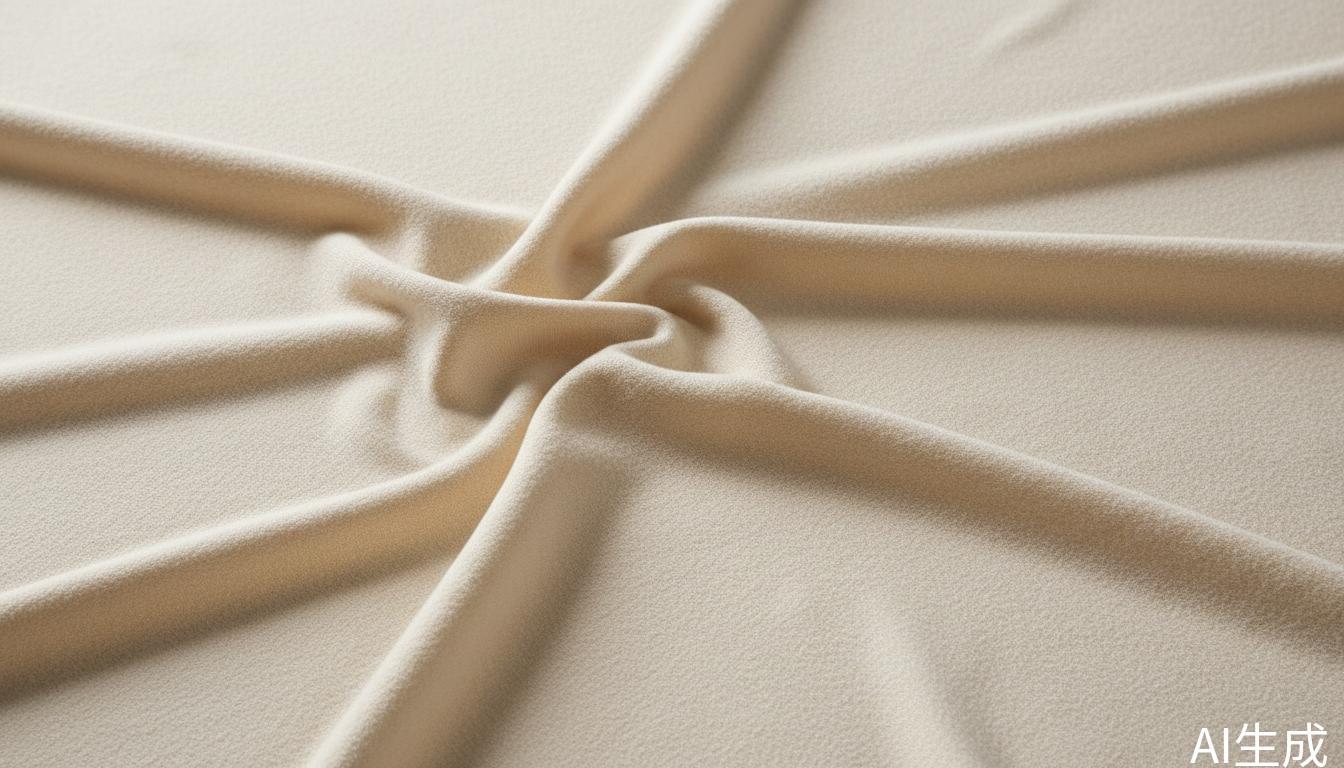
Graphene Fabric Benefits: What Buyers Should Know
Graphene fabric is not a single material — it is a family of knits in which a small amount of graphene is integrated into a conventional textile structure. The benefits buyers ask about (thermal conductivity, heat generation, far-infrared emission, antibacterial and odor control) are real mechanisms, but they are not automatic. Whether a graphene knit delivers them depends on how the graphene was integrated, whether the effect survives washing, and whether the use case actually needs the function. This guide gives you a benefit-by-benefit verification framework so you can separate testable performance from marketing language before you commit to a supplier or a new line.
What Graphene Fabric Actually Is
Graphene fabric is a conventional knit — cotton, polyester, or a blend — into which graphene has been added; it is not a fabric woven from pure graphene filaments. Graphene itself is composed of pure carbon atoms. Its name derives from graphite, from which it is physically exfoliated layer by layer until a single layer remains. That single layer has a hexagonal honeycomb molecular structure and is thinner than paper. Those properties are what make it interesting in textiles: an extremely thin, high-surface-area carbon sheet that interacts with heat, moisture, and light.
In a knit, graphene is integrated in one of three ways, and the method determines how much of the benefit survives:
- Coating or finishing: graphene is applied to the surface of the finished knit. This is the lowest-cost route, but the graphene sits on the surface and is the most exposed to abrasion and laundering.
- Masterbatch: graphene is compounded into the polymer before the fiber is extruded, so the additive is distributed through the fiber rather than sitting on top of it. This generally gives better durability than a surface coating.
- Fiber blending: graphene-bearing staple fiber is blended with cotton, polyester, or other fibers at the yarn stage. The graphene is part of the yarn structure itself. Before you accept any performance claim, ask which of these three methods was used. A supplier who cannot answer that question cannot tell you how the fabric will behave after repeated laundering. For a broader look at how functional knits are specified, see our guide to functional textiles for cooling, heating, and antibacterial performance.
The Four Benefits Buyers Ask About — and What Each Really Means
Graphene’s claimed benefits fall into four categories, and they are not equally testable. Thermal conductivity and heat spreading are the most defensible; far-infrared emission is the most dependent on measurement conditions; antibacterial and odor control are the most dependent on test method and wash durability. The table below maps each claim to its mechanism and the evidence you should request.
| Claimed benefit | Mechanism | Test method to request | Durability evidence required |
|---|---|---|---|
| Thermal conductivity / heat spreading | Graphene absorbs body-generated heat and spreads it evenly across the textile, producing a fast-warming, even-temperature effect | Thermal conductivity or thermal resistance testing on the finished knit; compare against the same knit without graphene | Thermal performance measured after repeated laundering, not just on the greige fabric |
| Heat generation | Graphene absorbs energy and produces thermal energy when affected by light or electrical energy | Heat-generation testing under the specific energy source the garment will actually encounter | Post-wash heat-generation data if the claim is central to the product story |
| Far-infrared emission | Graphene can release high-energy far-infrared waves that are harmless to the body and can resonate with human molecules, promoting circulation and metabolism | Far-infrared emissivity testing with the wavelength range and test conditions stated | Emissivity measured after washing; be cautious of claims that cite only raw-material data |
| Antibacterial / odor control | Graphene textiles are claimed to provide antibacterial and deodorizing function | Antibacterial testing against the specific organisms relevant to the end use, with the standard named | Antibacterial performance after repeated wash cycles, plus skin-safety documentation |
The framing rule that applies to all four: performance fabrics only create value when the function matches the use case, the test method is clear, and the effect survives washing. The marketing term alone is never enough. If a supplier leads with “graphene” and cannot name a test method, you are buying a story, not a specification.
How to Verify Each Claim Before You Commit
Verification starts from the principle that cooling, heating, and antibacterial fabrics depend on different mechanisms and must be evaluated separately. Do not accept a single “graphene certificate” as proof of four different benefits. Each claim needs its own evidence chain.
Heating claims. Judge heating by moisture management and structure, not by the word “graphene” alone. A knit that traps warm air and manages moisture will feel warm regardless of additive; a graphene knit with poor structure will not. Ask for thermal testing on the finished knit, and ask what the control sample was.
Antibacterial claims. Judge these by three things: the test method, durability after wash, and skin safety. The test method matters because antibacterial results are organism-specific — a result against one bacterium does not automatically transfer to the odor-causing organisms relevant to your garment. Durability matters because a surface-applied finish can wash out. Skin safety matters because graphene fabric intended for next-to-skin wear needs documentation appropriate to that use.
Far-infrared claims. Ask for the wavelength range and test conditions. Far-infrared emissivity numbers are only comparable when measured under the same conditions, and raw-material emissivity is not the same as finished-fabric emissivity.
Thermal conductivity claims. This is the most straightforward benefit to verify because it is a physical property. Request thermal testing on the finished knit and on a control without graphene, and request both before and after laundering.
For a deeper technical background on how graphene behaves in textile structures, see our article on graphene fabric properties and uses.
Where Graphene Fabric Earns Its Cost — and Where It Doesn’t
Graphene fabric earns its premium where warmth, even heat distribution, or odor control is a core consumer promise — and loses it everywhere else. The strongest fits are performance base layers, thermal knits, and innerwear where the wearer will directly perceive the thermal or odor-management difference. In these categories, the graphene story aligns with a benefit the consumer can feel, which makes the premium defensible at retail.
The weak fits are equally clear. If the garment is a fashion top, a short-life seasonal piece, or an application where the consumer will never perceive a thermal or antibacterial difference, the graphene premium is pure cost. Because the effect must survive washing to have value, fast-fashion programs with short wear cycles are a poor fit regardless of how good the fabric is on the lab bench.
The decision framework is simple: match the function to the use case first. If the use case does not need the function, no amount of graphene improves the product. If it does need the function, then the verification work in the previous section determines whether you are buying performance or a label. For context on where functional knits are heading, see our functional fabric trends.
What to Ask a Graphene Fabric Supplier
A supplier who can answer the following questions in writing is a supplier you can sample with. A supplier who deflects is a supplier who will cost you a season.
- Integration method. Which method is used — coating, masterbatch, or fiber blending — and what does that mean for durability?
- Test method per claim. Which specific test method supports each claimed benefit, and on what sample (raw material or finished knit)?
- Wash-durability data. What does the thermal and antibacterial performance look like after repeated laundering?
- Skin-safety documentation. What documentation supports next-to-skin use?
- Finished-knit verification. Is the graphene effect verified on the finished knit, not just on the raw material?
- Timeline. What are the sampling and bulk timelines, so the verification steps fit your development calendar? On timelines, plan realistically: sampling typically runs 15–30 days and bulk production 35–45 days, so verification testing should be scheduled in parallel with sampling rather than after it. If you are sourcing from a factory-direct knit mill, confirm that the graphene effect is verified on the finished knit from the same production line that will run your bulk order. A mill with in-house knitting, dyeing, and finishing can control that handoff; a trading intermediary cannot.
References
- How to Judge Cooling, Heating, and Antibacterial Fabrics Properly | YXX Fabric
- 石墨烯有什麼功效?石墨烯布料大解密 | Eysan Fabrics
- Graphene Fabric Properties and Uses | YXX Fabric
- Functional Fabric Trends 2026 | YXX Fabric Graphene fabric can be a genuine performance material when the integration method, test method, and wash durability all check out. Send us your target weight, composition, and end use, and we will recommend a knit construction and arrange samples for your verification testing.