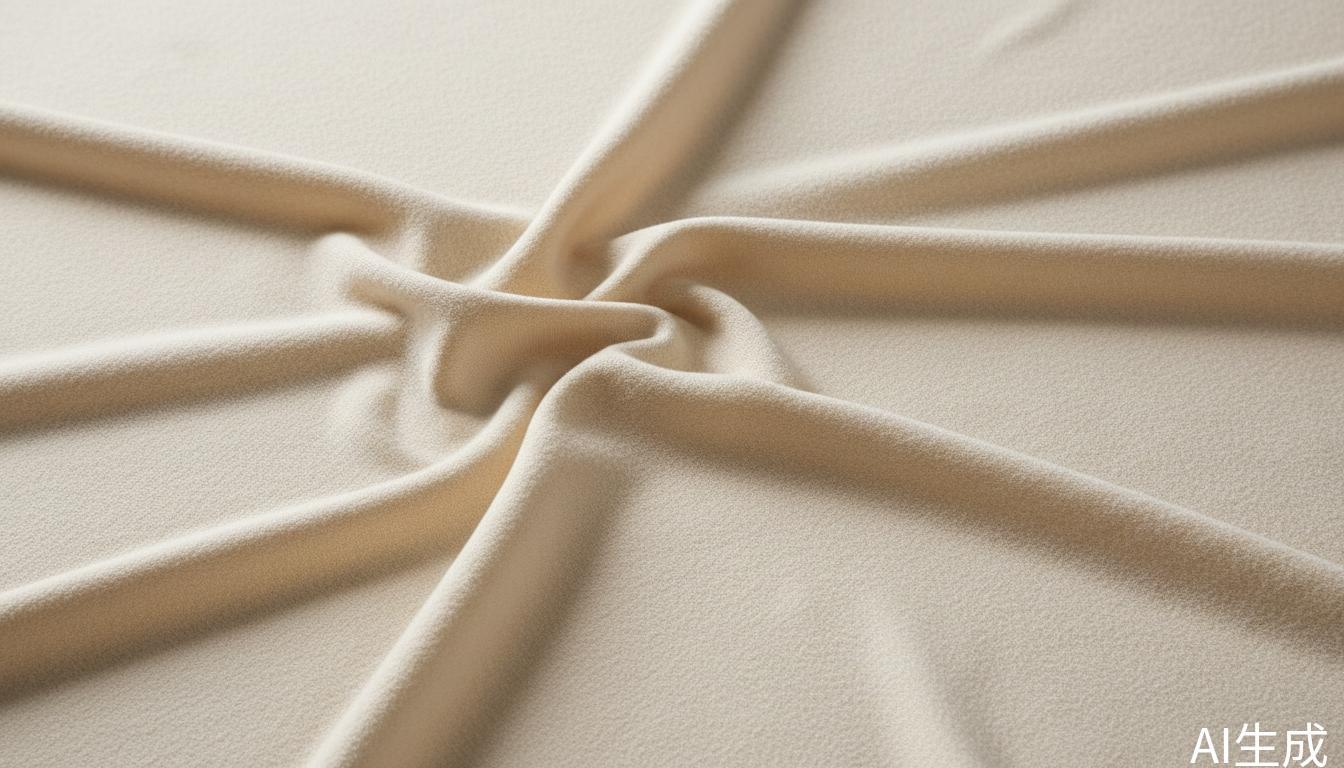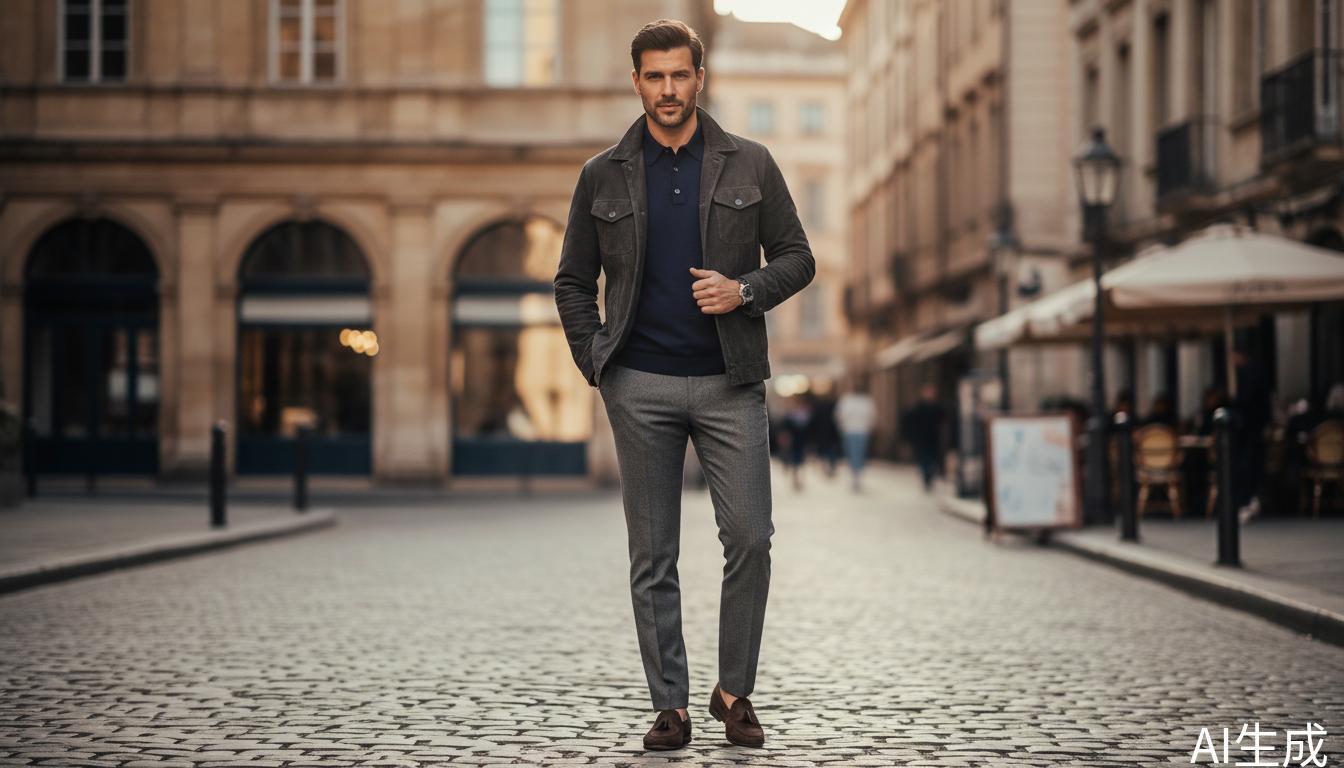
The 2026-2027 global knitwear market is not simply continuing the loungewear boom that followed the pandemic. It is going through a steadier demand reset. Comfortable workwear, athleisure, sustainable yarns, seamless structures, and premium basics are pushing knitwear beyond casual categories into broader daily dressing.
For sourcing teams, the opportunity is not only sales volume. It is whether material, hand feel, lead time, and compliance data can be managed together.
Knitwear Demand Is More Stable, but More Segmented
The global knitwear market in 2026 is roughly in the USD 230 billion to 260 billion range. Growth comes from long-term athleisure, more comfortable office dressing, and product upgrades driven by sustainable materials.
| Demand direction | Growth logic | Fabric opportunity |
|---|---|---|
| Comfortable workwear | Formal and casual boundaries soften | Dense knits, refined cotton hand, stretch interlock |
| Athleisure | Fitness and daily wear merge | Moisture management, stretch, anti-odor |
| Sustainable basics | Brand material targets advance | Organic cotton, recycled polyester, Lyocell |
| Premium homewear | Consumers value skin comfort and durability | Modal, brushed knits, spacer structures |
| Seamless knitwear | Fewer seams and less material waste | Seamless and engineered knits |
Knitwear is no longer only low-price T-shirts and basic sweatshirts. More brands use knit fabrics to deliver clothing that feels comfortable but still looks put together.
Sourcing Shifts Will Not Remove China’s Value
Brands will continue moving some garment manufacturing to Vietnam, Bangladesh, India, Turkey, and Mexico. But knit fabric development, structure adjustment, dyeing control, and hand-feel consistency still benefit from mature supply chains.
China’s supply-chain value remains strong in several areas:
- Yarn, knitting, dyeing, and finishing resources are concentrated.
- Sampling and correction can move quickly.
- Complex structures, functional finishes, and texture development have deeper experience.
- Small-batch testing and bulk conversion connect more smoothly. The future is not only “export from China.” It is often China for fabric development and supply, Vietnam or Bangladesh for garment making, and Europe or the United States for nearshore replenishment.
Sustainable Yarns Are Becoming a Basic Requirement
From 2026 to 2027, knitwear buyers will ask more often for sustainable yarns. Recycled polyester, organic cotton, recycled cotton, Lyocell, Modal, and lower-impact dyeing will enter more core programs.
Buyers should watch three points:
- Whether certification covers the final fabric, not only the yarn.
- Whether recycled content affects strength, pilling, and shade consistency.
- Whether the material premium works for the target price band. Sustainable material is not automatically better at higher percentages. For core bulk programs, stable supply and batch consistency matter more than concept language.
Functional Knits Will Keep Moving From Sports Into Daily Wear
Moisture management, antibacterial, deodorizing, cooling, UV protection, and temperature regulation are moving from professional sports into workwear, homewear, and childrenswear. Consumers may not know the technical terms, but they notice whether a garment feels dry, breathable, and fresh.
Functional knit development needs balance:
| Target | What may be sacrificed | Buyer question |
|---|---|---|
| Quick drying | Skin comfort | Is it suitable for next-to-skin wear? |
| Antibacterial | Cost and safety | Is there after-wash testing? |
| Cooling | Durability | Is it instant cool touch or lasting heat release? |
| High stretch | Dimensional stability | Will knees and seats bag out? |
| UV protection | Breathability | Can UPF and comfort work together? |
Good functional knit fabrics do not simply stack every possible function. They match the function to the garment category.
Build a Core Fabric Library Instead of Expanding Blindly
The knitwear market offers many opportunities, but too many SKUs can create inventory and quality risk. A steadier sourcing method is to build a core fabric library:
- Two or three basic T-shirt fabrics
- Two athleisure stretch fabrics
- One or two premium workwear knits
- One cooling or UV-protection summer fabric
- One recycled or lower-impact material option Each core fabric should have composition, weight, width, shrinkage, colorfastness, available colors, and lead time prepared. When a brand develops a new style, it can move into fabric selection and sampling faster instead of starting from zero.
The next two years will not only reward suppliers with more styles. They will reward suppliers whose core fabrics are stable, whose data is complete, and whose development response is fast.