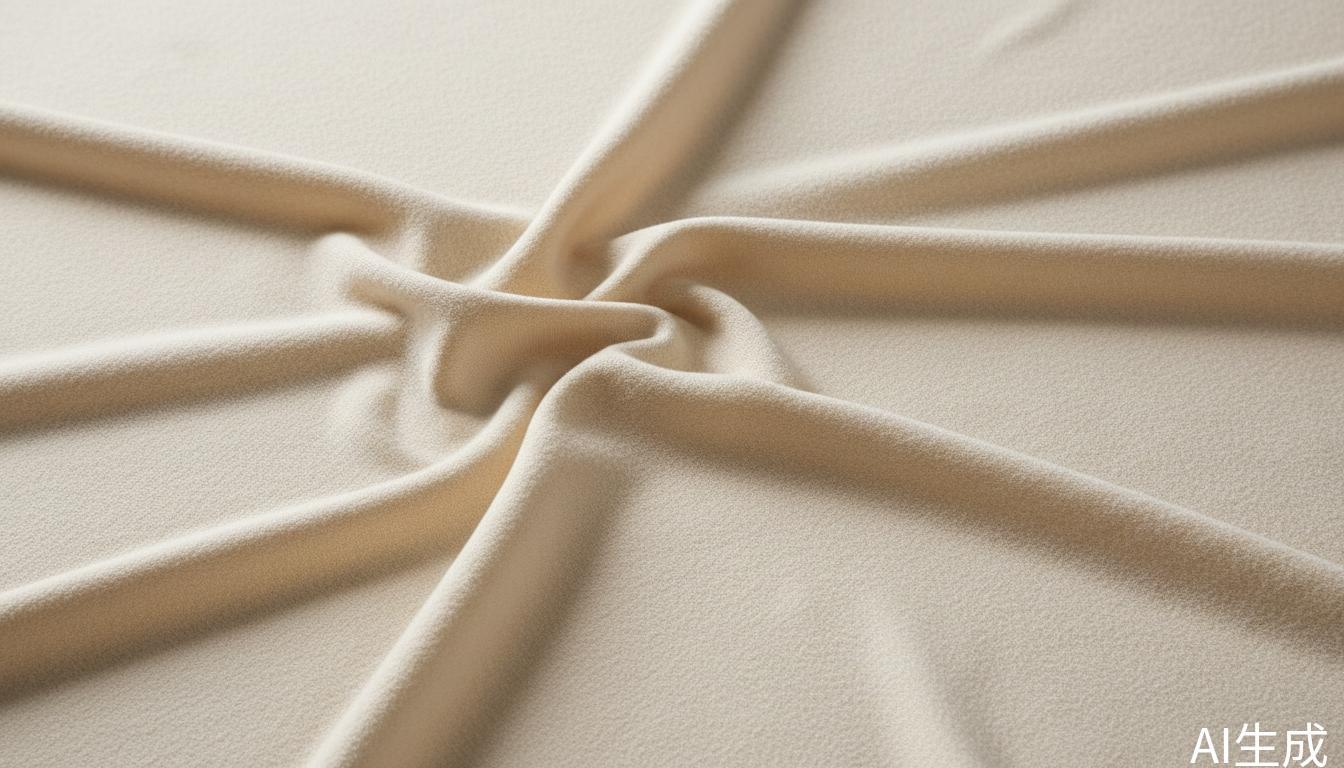
French Terry vs Fleece: Which Knit Fabric to Choose for Sweatshirts
When sourcing sweatshirt fabrics, the choice between French terry and fleece comes down to intended use: French terry offers breathability and a structured drape for casual wear, while fleece provides superior warmth and softness for cold-weather and active garments. This guide compares their structure, performance, cost, and environmental impact to help you decide.
What Are French Terry and Fleece?
French terry is a knit fabric characterized by uncut loops on one side and a smooth surface on the other, typically made from cotton or cotton blends. Fleece is a synthetic knit fabric, usually polyester, with a brushed surface on one or both sides for softness and insulation. Both are popular for sweatshirts but serve different end uses.
French terry’s looped back traps air for moderate warmth while allowing airflow, making it ideal for transitional seasons. Fleece, invented in the 1970s, mimics wool’s warmth but is lighter and dries faster. Understanding these foundational differences is key to selecting the right fabric for your sweatshirt line.
Key Differences in Structure and Performance
French terry is looped on one side, offering moderate warmth and high breathability; fleece is brushed on both sides, providing superior warmth and insulation. The table below summarizes the main performance attributes.
| Attribute | French Terry | Fleece |
|---|---|---|
| Warmth | Moderate (traps air in loops) | High (brushed surface insulates) |
| Weight | 180–360 GSM (typically 220–280 GSM for sweatshirts) | 180–360 GSM (typically 200–300 GSM) |
| Breathability | High (loops allow airflow) | Moderate (brushed surface reduces airflow) |
| Durability | High (loops resist pilling) | Moderate (prone to pilling over time) |
| Moisture Management | Absorbent (cotton) | Quick-drying (polyester) |
| Care | Machine washable, may shrink | Machine washable, low shrinkage, sheds microfibers |
| Environmental Impact | Higher water use (cotton); organic options available | Microfiber pollution; recycled polyester reduces impact |
French terry’s loops create a textured back that feels soft against skin, while the smooth face accepts prints and dyes well. Fleece’s brushed surface gives a plush hand feel but can pill after repeated washing. For activewear, fleece’s moisture-wicking and quick-drying properties outperform French terry, which stays wet longer.
Which Fabric Is Best for Your Sweatshirt Design?
French terry is ideal for casual, breathable sweatshirts and loungewear; fleece is better for cold-weather outerwear and activewear. Consider the garment’s intended use, climate, and desired aesthetic.
- French terry sweatshirts: Best for spring/fall, indoor wear, or fashion-forward designs where drape and structure matter. The fabric holds shape well and is less bulky, making it suitable for fitted silhouettes. It also accepts screen printing and embroidery easily.
- Fleece sweatshirts: Best for winter, outdoor activities, or performance wear. Fleece’s lightweight warmth makes it a top choice for hoodies, zip-ups, and athletic pullovers. It is also used in technical garments due to its moisture management. For a balanced line, many brands offer both: French terry for lifestyle pieces and fleece for performance or cold-weather items. See our knit fabric selection by garment category for more guidance.
Sourcing and Cost Considerations
French terry is often made from cotton, which can be more expensive and subject to price volatility; fleece is typically polyester, which is cheaper and more stable in price. However, both fabrics are available in a range of compositions and weights from suppliers like yxxfabric.com.
- French terry: Commonly 100% cotton or cotton-poly blends (e.g., 60/40). Cotton prices fluctuate based on harvests and market demand. Organic cotton options cost more but appeal to eco-conscious buyers. MOQ typically starts at 500 kg per color.
- Fleece: Usually 100% polyester, including recycled polyester. Polyester prices are more stable, and recycled variants add sustainability without significant cost increase. Fleece production is faster due to simpler finishing. When sourcing, consider lead times: sampling takes 15–30 days, bulk production 35–45 days. For a detailed guide on fabric weight selection, read our fabric GSM guide.
Care and Environmental Impact
French terry is machine washable but may shrink; fleece is easy care but sheds microfibers during washing. Each fabric has distinct care requirements and environmental footprints.
- French terry care: Wash in cold water, tumble dry low. Cotton can shrink 3–5% if not pre-shrunk. Avoid high heat to preserve loops. Environmentally, cotton farming uses significant water; organic cotton reduces pesticide impact.
- Fleece care: Wash in cold water, avoid fabric softener (reduces breathability). Fleece is quick-drying and resists wrinkles. However, it releases microplastics into waterways. Using a microfiber filter or washing less frequently mitigates this. Recycled polyester fleece lowers virgin plastic demand. For brands prioritizing sustainability, French terry made from organic cotton or fleece from recycled polyester are better choices. Both fabrics can be OEKO-TEX certified, ensuring no harmful chemicals.
Frequently Asked Questions
Is French terry warmer than fleece?
No, fleece is generally warmer than French terry. Fleece’s brushed surface traps more air, providing higher insulation. French terry offers moderate warmth suitable for mild climates.
Which fabric is better for sweatshirts: French terry or fleece?
It depends on the use. French terry is better for casual, breathable sweatshirts; fleece is better for cold-weather and active sweatshirts. Consider the garment’s intended climate and activity level.
Does French terry shrink more than fleece?
Yes, French terry (especially cotton) can shrink 3–5% if not pre-shrunk, while fleece (polyester) has minimal shrinkage. Pre-washing or specifying pre-shrunk fabric is recommended for French terry.
Can fleece be used for summer sweatshirts?
Fleece is generally too warm for summer. Its insulation is designed for cold weather. For summer, consider lighter French terry or other breathable knits.
What is the difference between French terry and fleece fabric?
French terry has loops on one side and a smooth face, offering breathability and moderate warmth. Fleece has a brushed surface on one or both sides, providing high warmth and softness. French terry is typically cotton; fleece is polyester.
References
- Terrycloth - Wikipedia
- Polar fleece - Wikipedia
- Sweatshirt Fabric Quality Guide - yxxfabric.com
- Fabric GSM Guide - yxxfabric.com
- Knit Fabric Selection by Garment Category - yxxfabric.com
- OEKO-TEX Standard 100
- ISO 9001 Ready to source French terry or fleece for your next sweatshirt line? Contact yxxfabric.com for samples and bulk quotes with 15–30 day sampling and 35–45 day production lead times.