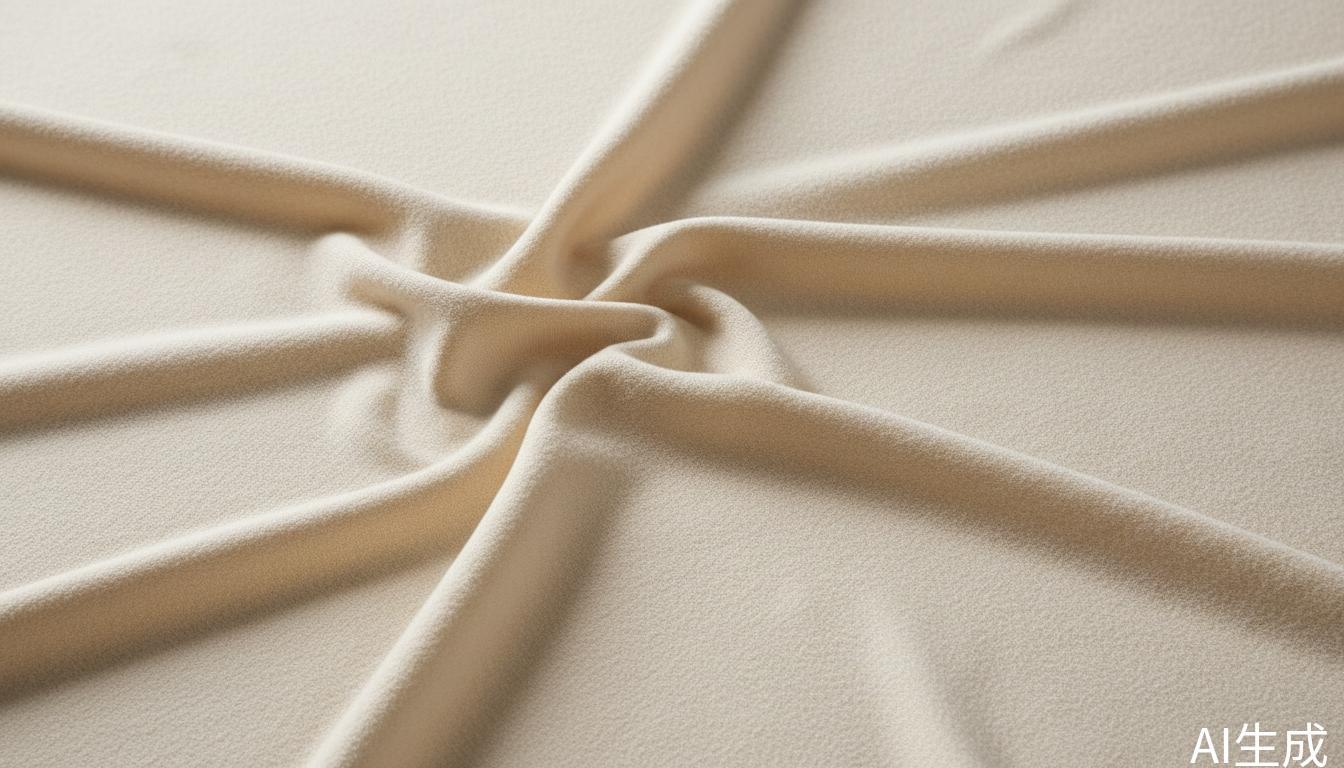
Bamboo vs Modal vs Tencel: Regenerated Fibers Compared for Knit Apparel
Primary buyer query: bamboo vs modal vs tencel
If you are sourcing knit apparel and comparing bamboo, modal, and Tencel, the short answer is: all three are regenerated cellulose fibers, but they differ in raw material, production process, and performance. Tencel (lyocell) offers the best strength and sustainability profile, modal provides a soft, durable mid-range option, and bamboo viscose is the softest and most cost-effective but requires careful finishing to manage pilling. The right choice depends on your product category, sustainability goals, and target cost.
What Are Bamboo, Modal, and Tencel? Fiber Origins Explained
Bamboo, modal, and Tencel are all regenerated cellulose fibers — they are not natural fibers in their final form, nor are they synthetic. They start with plant pulp (bamboo, beechwood, and eucalyptus respectively) that is chemically dissolved and extruded into filaments. The production method, not just the plant source, determines performance and environmental impact.
Bamboo fiber is typically processed via the viscose method, which uses carbon disulfide and involves significant chemical handling. Unless a supplier explicitly labels it “bamboo lyocell,” assume it is bamboo viscose. The viscose method dates back to 1891, and it remains the dominant route for bamboo because it is cost-effective and produces an extremely soft fiber.
Modal is classified as a structurally-modified rayon, alongside high-tenacity rayon. It was developed to improve strength and softness over standard viscose. Modal is usually made from beechwood pulp, and its modified spinning process gives it better durability and resistance to shrinkage and pilling.
Tencel is the brand name for lyocell, produced via a solvent-spinning process developed in 1982. The lyocell method uses an amine oxide solvent that is recovered and reused, making it a closed-loop process. Tencel is also known by the brand name Tencel and is produced using a solvent-spinning process. The raw material is typically eucalyptus wood from sustainably managed forests.
For a deeper dive into sustainable fiber sourcing, see our sustainable fabric sourcing guide.
Performance Comparison: Hand Feel, Moisture, Strength, and Pilling
In knit fabrics, Tencel generally outperforms modal and bamboo viscose in strength and pilling resistance, while bamboo viscose leads in softness and drape. Modal sits in the middle, offering a balance of softness and durability. The table below summarizes the key differences.
| Property | Bamboo Viscose | Modal | Tencel (Lyocell) |
|---|---|---|---|
| Fiber origin | Bamboo pulp | Beechwood pulp | Eucalyptus pulp |
| Production process | Viscose method | Modified viscose | Solvent-spinning (lyocell) |
| Hand feel | Extremely soft, silky | Soft, smooth | Cool, dry, smooth |
| Moisture regain | High | High | High |
| Strength (dry/wet) | Low wet strength | Good | High in both dry and wet states |
| Pilling resistance | Low | Moderate | High |
| Dyeability | Good, but pH sensitive | Excellent with reactive dyes | Excellent with reactive dyes |
| Sustainability certifications | FSC, OEKO-TEX | FSC, OEKO-TEX | FSC, EU Ecolabel, OEKO-TEX |
Bamboo viscose is prized for its luxurious hand feel and drape, making it popular for soft t-shirts and babywear. However, its low wet strength means it can pill and lose shape in knit form, especially after repeated washing. Anti-pilling finishes are often necessary.
Modal is softer and more durable than standard viscose. It resists shrinkage and pilling better than bamboo viscose, and it holds color well. It is a favorite for underwear and loungewear because it feels gentle against the skin and maintains its shape.
Tencel/lyocell is strong in both dry and wet states, manages moisture excellently, and has a naturally smooth surface that reduces pilling. Its cool, dry touch makes it suitable for activewear and summer knits. It performs best in jersey and rib constructions.
Blending with cotton or spandex can offset individual fiber weaknesses. For example, a cotton-modal blend works well for t-shirts, while a Tencel-spandex blend is ideal for activewear. For more on knit constructions, see our knit fabric types buyer’s guide.
Sustainability and Certification: Which Fiber Wins?
Tencel/lyocell wins on sustainability and traceability due to its closed-loop solvent-spinning process, which recovers and reuses the solvent. Modal production is typically viscose-based, though some producers offer closed-loop modal; buyers should verify the specific supply chain. Bamboo viscose has faced criticism for chemical-intensive processing; bamboo lyocell (rare) is a more sustainable alternative.
When sourcing, request certifications to verify sustainability claims. OEKO-TEX Standard 100 ensures the final fabric is free from harmful substances. FSC or PEFC certification confirms the pulp comes from responsibly managed forests. For lyocell, the EU Ecolabel is a strong indicator of environmental performance. Be wary of vague “bamboo” claims without documentation — greenwashing is common.
At yxxfabric.com, we hold OEKO-TEX Standard 100 and ISO 9001 certifications, and we can source certified regenerated cellulose yarns on request. For a detailed comparison of certifications, read our OEKO-TEX vs GOTS certification guide.
Knitting, Dyeing, and Finishing Considerations
All three fibers knit similarly to cotton on circular machines but require gentler tension due to lower wet strength, especially bamboo viscose. Dyeing: modal and lyocell dye well with reactive dyes; bamboo viscose may require careful pH control to avoid strength loss. Finishing: Tencel can be peached or sanded for a suede-like hand; modal responds well to bio-polishing; bamboo viscose benefits from anti-pilling finishes.
Common knit constructions for these fibers include single jersey, interlock, rib, and French terry. Typical weight range is 180–360 GSM. Lighter summer knits sit at the lower end of this range, while heavier loungewear uses the upper end.
yxxfabric.com runs in-house knitting, dyeing, and finishing across three integrated plants, with 200+ circular knitting machines and 1,000 tons monthly capacity. This vertical integration allows us to control quality and lead times from yarn to finished fabric.
Sourcing Practicalities: MOQ, Lead Time, and Cost Positioning
In terms of cost positioning, bamboo viscose is typically the lowest cost, modal mid-range, and Tencel/lyocell premium — but prices fluctuate with pulp and energy markets. At yxxfabric.com, our MOQ is 500 kg per color and 2,000 kg per order, which is suitable for mid-size brands testing a new fiber. Sampling lead time is 15–30 days; bulk production is 35–45 days. We follow a 5-step QC process from yarn inspection to final fabric inspection, with AQL 2.5.
Supply-chain risk varies: Tencel is produced by a limited number of licensed mills, so availability can be tighter. Modal and bamboo have broader but less traceable supply bases. Always request fiber composition verification and test reports to confirm what you are buying.
How to Choose: A Decision Framework for Buyers
Use this framework to decide:
- If sustainability and traceability are top priorities, specify Tencel/lyocell with FSC certification.
- If you need a soft, cost-effective fiber for casual knits, bamboo viscose is a strong option — but plan for anti-pilling finishes.
- If you want a balance of softness, durability, and value for underwear or loungewear, modal is often the sweet spot. Always request fiber composition verification and test reports (e.g., burn test, lab analysis) to confirm what you’re buying. yxxfabric.com can develop custom blends and provide sampling within 15–30 days. Contact us with your target GSM, composition, and certification needs.
Frequently Asked Questions
Is bamboo fabric actually sustainable or is it just greenwashing? Bamboo viscose is often marketed as sustainable, but the viscose process uses harsh chemicals. Without closed-loop solvent recovery, it is not inherently eco-friendly. Look for FSC certification and OEKO-TEX to verify responsible sourcing.
What is the difference between Tencel and lyocell — are they the same thing? Tencel is a brand name for lyocell, a fiber produced via solvent-spinning. All Tencel is lyocell, but not all lyocell is Tencel. The generic term is lyocell.
Which is softer for t-shirts: bamboo, modal, or Tencel? Bamboo viscose is generally the softest, followed by modal, then Tencel. However, Tencel offers a cooler, drier touch that some prefer for activewear.
Does modal pill more than Tencel in knit fabrics? Yes, modal has moderate pilling resistance, while Tencel has high pilling resistance due to its smoother surface. Bamboo viscose pills the most.
What certifications should I ask for when sourcing bamboo or Tencel knit fabric from China? Request OEKO-TEX Standard 100 for safety, FSC or PEFC for pulp sourcing, and EU Ecolabel for lyocell. yxxfabric.com holds OEKO-TEX Standard 100 and ISO 9001.
References
- Lyocell - Wikipedia
- Rayon - Wikipedia
- Sustainable fabric sourcing guide
- Knit fabric types buyer’s guide
- OEKO-TEX vs GOTS certification guide
Ready to source bamboo, modal, or Tencel knit fabrics? Contact yxxfabric.com for samples and quotes tailored to your specifications. We’ll help you select the right fiber blend for your next collection.