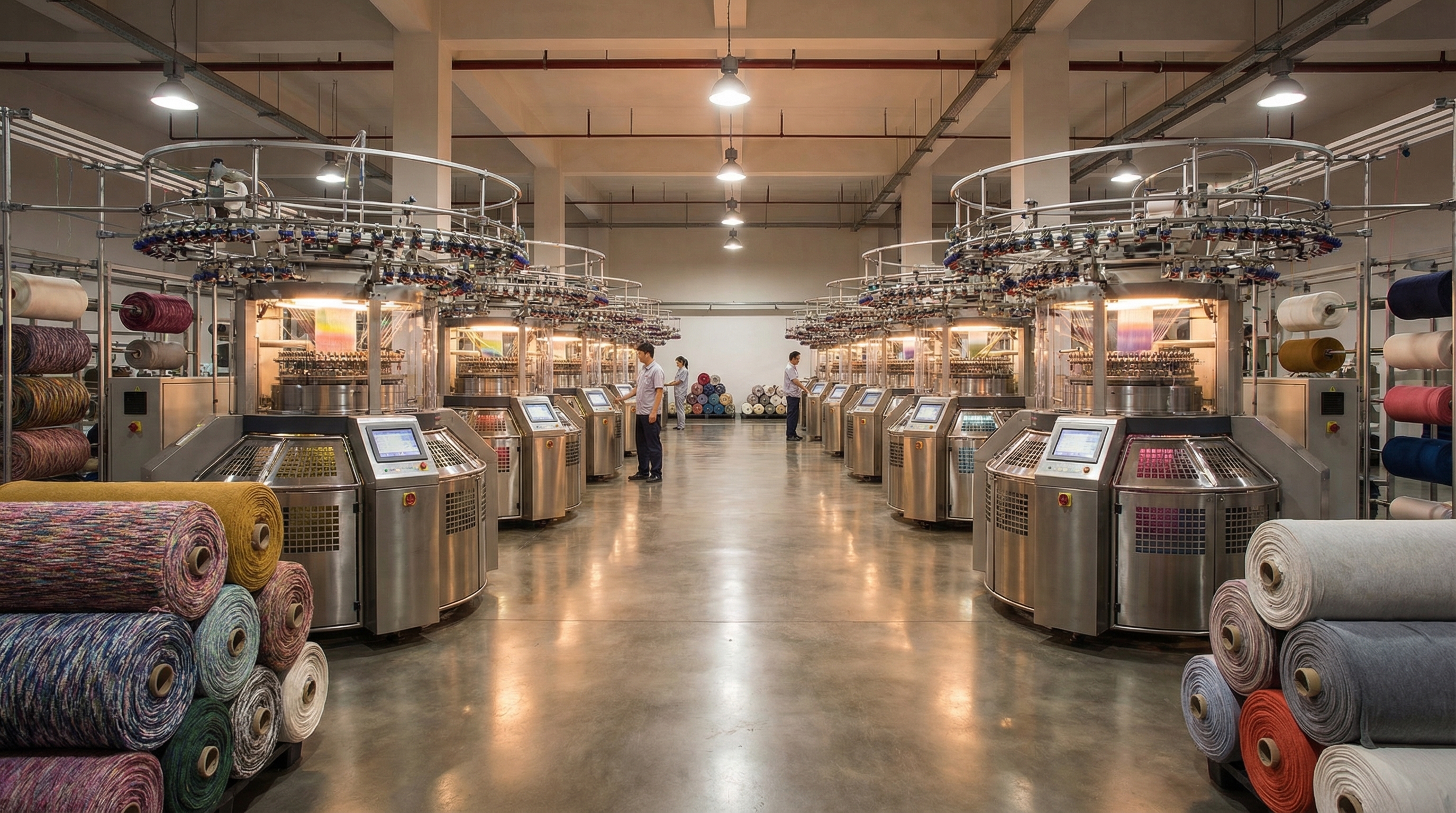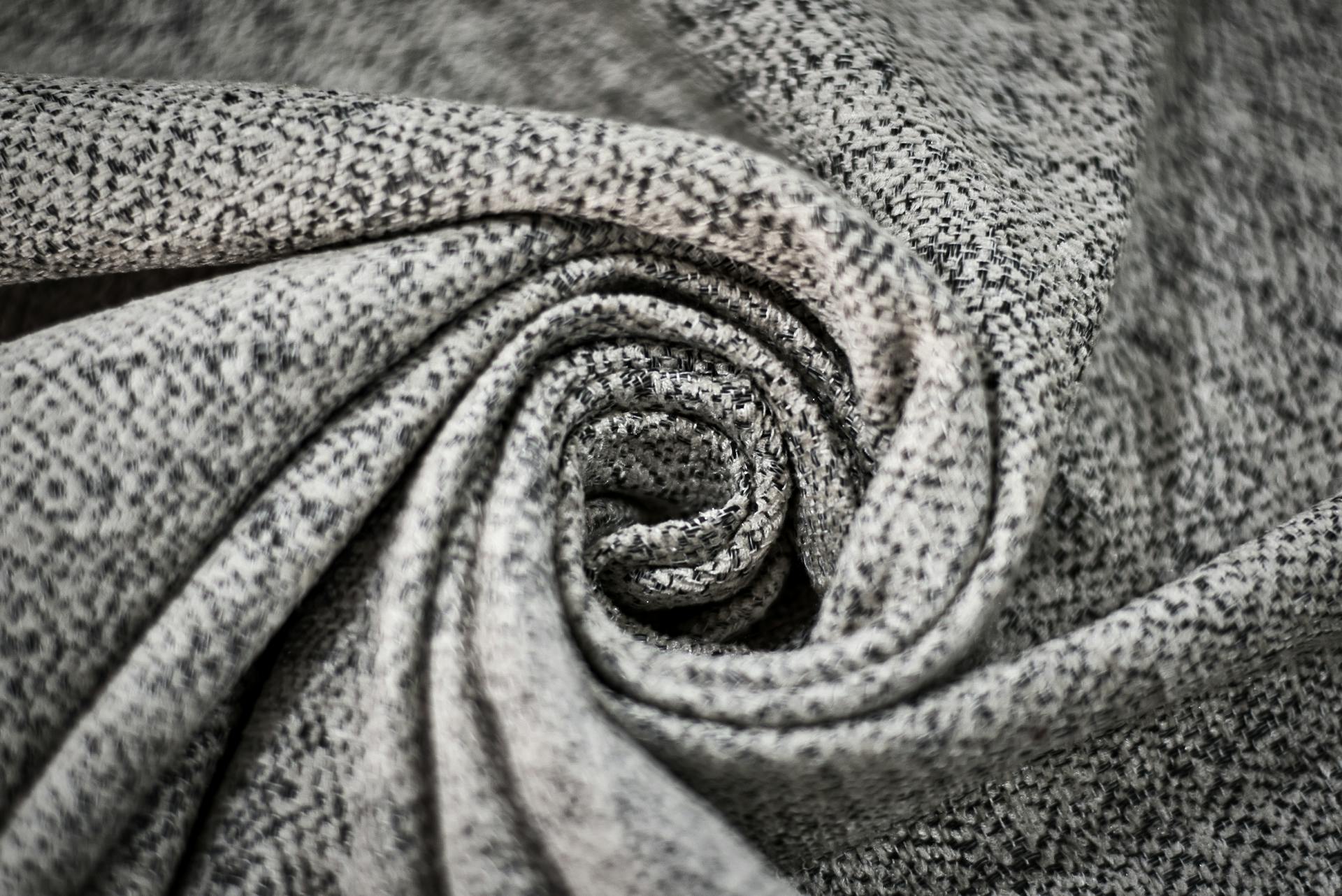
For many brands, texture has moved from a styling detail to a product strategy. In knitwear, that shift matters because texture can change visual identity, handfeel, and perceived value before any additional decoration is applied.
Texture Is Replacing Some of the Work Print Used to Do
Brands looking for stronger shelf impact are leaning more on structure, surface variation, and tactile depth. That makes textured knits attractive because the fabric itself carries more of the design language.
The result is often a product that feels more premium without depending entirely on surface decoration.
Not Every Interesting Surface Is Commercially Stable
A strong development sample may still be difficult to repeat at scale. Buyers should ask whether the surface effect depends on special yarn, knitting control, finishing sensitivity, or post-wash change.
Texture that looks exciting but behaves inconsistently can create expensive development loops.
- Check the face after dyeing and after wash.
- Ask whether the effect is structure-led or finishing-led.
- Confirm if the supplier has repeated the construction before.
Where Textured Knits Work Best
They are useful in elevated basics, premium casualwear, lightweight sweat programs, and limited seasonal capsules. Buyers do not need to use them across the whole collection. One or two stable textured fabrics can already add range and price architecture.
Textured Knit Techniques Explained
Understanding the mechanics behind popular textured knit techniques helps buyers evaluate production feasibility and cost implications. Each technique creates distinct visual and tactile characteristics through different knitting approaches.
Cable structures involve crossing stitch columns to create raised diagonal or vertical lines. These require multi-feed knitting machines with dial or jacquard capabilities. Standard cable repeats range from 2x2 to 6x6 stitches, with larger cables demanding higher gauge machines (12-14 gauge typical).
- Cable structure: Crossed stitch columns creating raised lines; requires 12-14 gauge machines with dial capability
- Bubble texture: Created by varying stitch lengths or tuck stitches; needs precise tension control at 8-12 gauge
- Transfer stitches: Moving loops between needles to create openwork or lace effects; typical on 14-18 gauge fine gauge machines
- Rib-led relief: Alternating rib and plain sections create dimensional surfaces; works at 7-9 gauge for medium weight fabrics
- Pointelle patterns: Small open holes created by transferring stitches; common in 16-20 gauge lightweight knits
- Tuck stitch textures: Holding loops for multiple courses creates raised surface effects; gauge range 8-14 depending on yarn bulk
Yarn Selection for Texture
The choice of yarn fundamentally determines how textured knit techniques perform. Different fiber compositions and yarn constructions respond differently to stitch manipulation, affecting both appearance and production stability.
For cable knit fabric and dimensional structures, yarns with good recovery and moderate bulk perform best. Cotton yarns with 28-32mm staple length provide excellent stitch definition. Blends with 5-10% elastane enhance recovery for fitted garments.
- Combed cotton (Ne 24-32): Best stitch definition for cable structures and clear pattern visibility
- Cotton-modal blends (70/30): Softer handfeel with maintained texture clarity; ideal for elevated basics
- Slub yarns: Irregular thickness creates organic texture variations; requires careful gauge matching
- Brushed or lofty yarns: Enhance tactile depth but may obscure fine stitch details; best for larger-scale textures
- Novelty yarns (boucle, chenille): Create dramatic effects but increase production complexity and defect rates
- Recycled cotton blends: Cost-effective option with slightly reduced stitch definition; suitable for casual applications
Production Challenges and Solutions
Textured knit production presents specific technical challenges that affect efficiency, yield, and consistency. Understanding these challenges helps buyers set realistic expectations and evaluate supplier capabilities.
Gauge limitations restrict which textures can be produced on available machinery. Cable structures and complex transfer stitches typically require 12-gauge or finer machines, while heavy relief textures work better at 7-9 gauge.
- Machine gauge compatibility: Verify supplier equipment matches texture requirements (12-14 gauge for cables, 7-9 for heavy textures)
- Stitch density control: Textured knits require ±3% density tolerance versus ±5% for basic jersey; affects yield and cost
- Needle wear rates: Complex stitches increase needle replacement frequency by 30-50%; impacts machine maintenance schedules
- Tension consistency: Critical for transfer stitches and cable structures; requires skilled technicians and regular calibration
- Production speed: Textured knits typically run 20-40% slower than plain jersey on equivalent machines
- Quality checkpoints: In-process inspection frequency should increase to every 30 minutes versus hourly for basic knits
Cost Implications
Textured knits command premium pricing compared to basic jersey, but the magnitude varies significantly by technique complexity, production efficiency, and yarn requirements. Buyers should understand cost drivers to evaluate value propositions.
Cable knit fabric typically carries 25-35% premium over comparable weight plain jersey due to slower production speeds and higher skill requirements. Transfer stitch and openwork textures add 15-25%, while simple tuck textures may only increase costs by 10-15%.
- Production speed impact: Textured knits average 15-25% lower output per machine hour compared to plain jersey
- Yarn consumption: Complex structures may use 10-20% more yarn per linear meter due to structural requirements
- Skill premiums: Operators for textured knits command 15-20% higher wages due to technical complexity
- Setup costs: Pattern programming and machine setup add ¥800-2,000 per style for textured knits versus ¥300-500 for basics
- Waste factors: Textured knits typically show 3-5% higher waste rates during production startup
- Minimum order quantities: Textured techniques often require 500-1,000m minimums versus 300m for basic knits
Commercial Texture Depends on How the Effect Is Built
The source report makes clear that textured knits are not one category but a family of techniques. Cable structures, bubble effects, transfer stitches, and rib-led relief surfaces each create different production demands. Some rely on yarn bulk, some on machine control, and some on finishing response after knitting.
That difference matters commercially. A texture created mainly by knitting structure is often easier to explain and repeat than one that depends heavily on sensitive finishing. Buyers should ask what part of the look comes from yarn, what comes from gauge and structure, and what changes after wash or setting.
Texture Works Best When Design and Sourcing Speak Early
Textured fabric programs break down when design teams choose a surface for image impact while sourcing teams only discover later that the MOQ, yarn route, or production speed makes it impractical. The stronger process is to evaluate aesthetic value and production logic at the same time.
That is especially important for premium casualwear and seasonal capsules. The goal is not to use the most dramatic texture available, but to choose one that can hold its character after dyeing, finishing, wash testing, and repeat bulk orders.