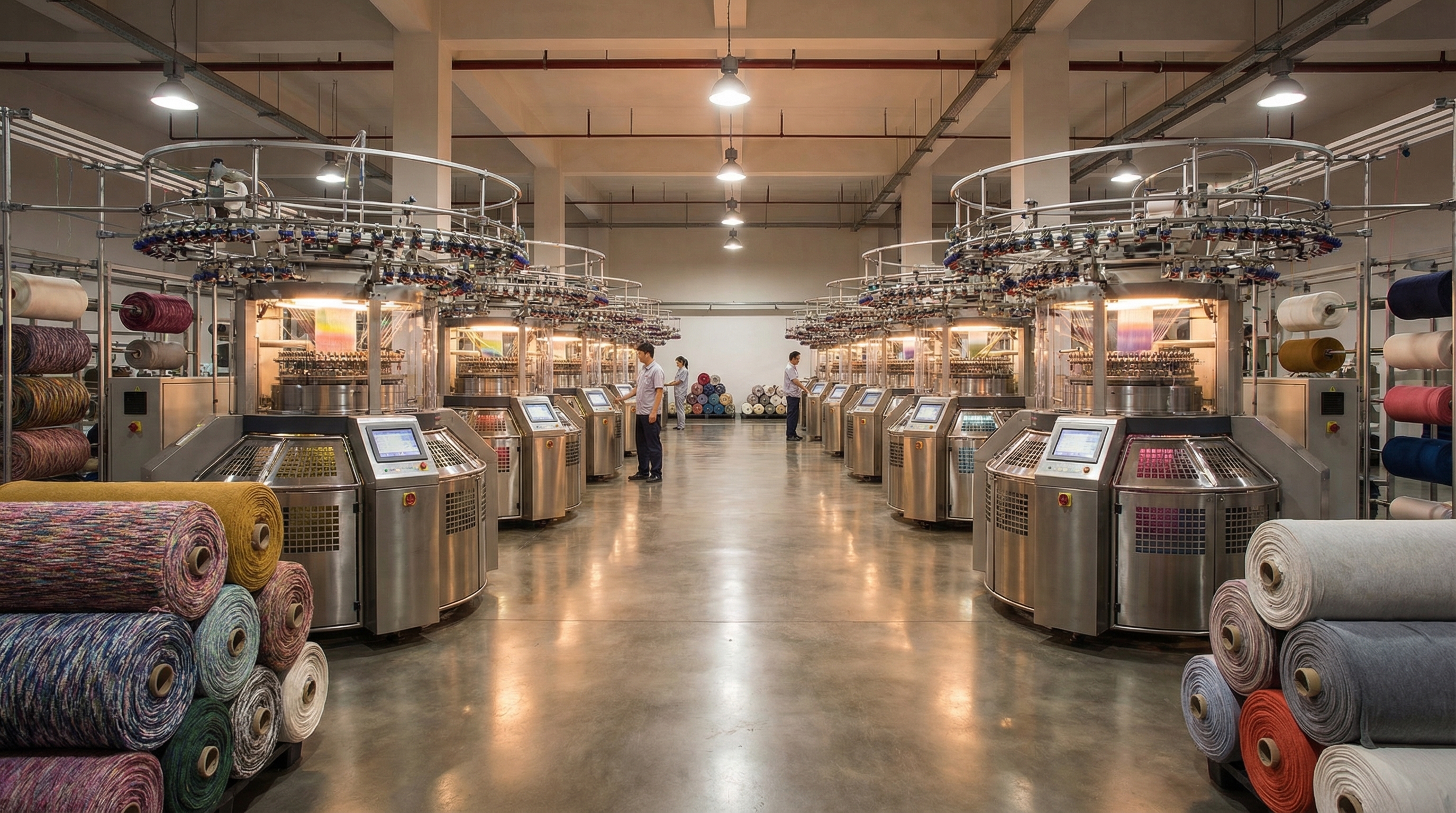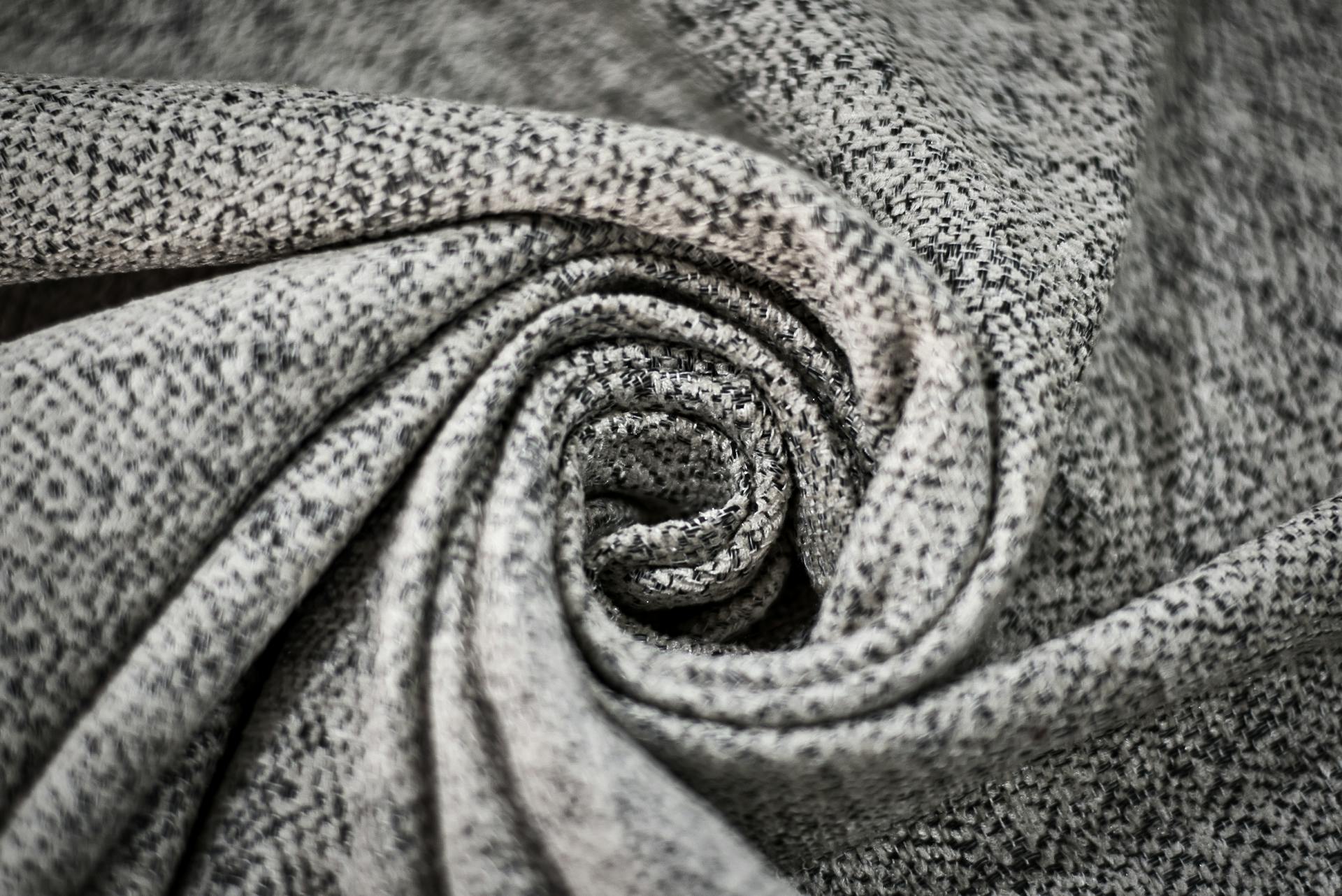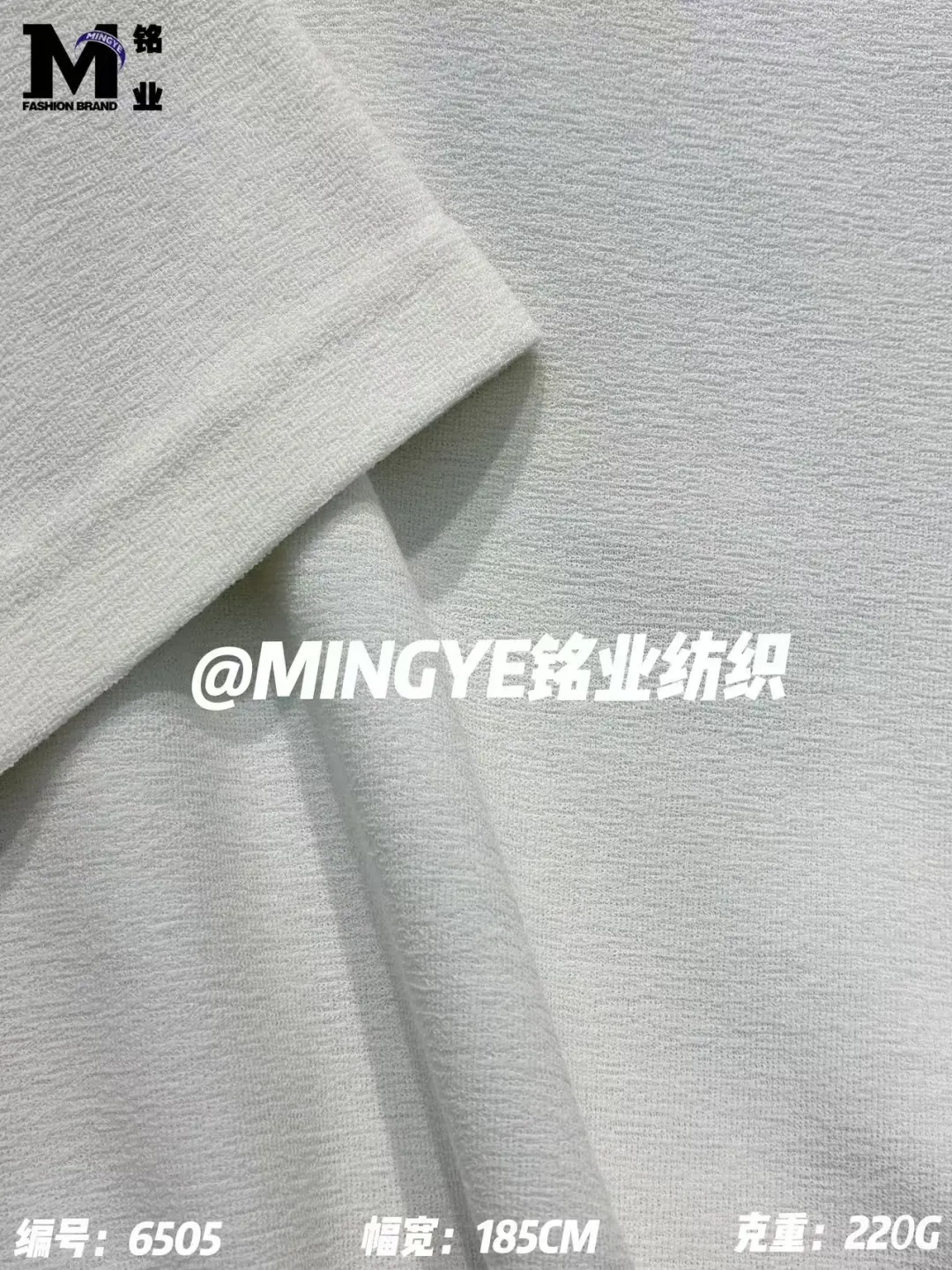
When buyers compare sweatshirt fabric or jersey options, the biggest mistakes usually happen before lab testing. Weak structure, unstable finishing, and misleading handfeel can all look acceptable in the first conversation. A better review starts with the fabric itself.
Start With Structure and Density
For French terry or sweatshirt knits, the loop side should be even, stable, and clean enough for downstream finishing. For jersey, the face should not show obvious barre, torque, or inconsistent yarn behavior.
Density matters as much as handfeel. Higher density fabrics hold shape better and resist deformation. Check both wale (vertical) and course (horizontal) counts per inch—tighter structures usually indicate better quality control during knitting.
Common Construction Defects to Watch For
Even experienced buyers can miss subtle structural issues that only appear after washing or during bulk production. Learning to spot these early saves costly revisions later.
Barre (horizontal stripes) occurs when yarn tension varies during knitting, creating visible bands across the fabric face. Torque (fabric skewing) happens when stitch columns twist, causing garments to hang incorrectly after cutting. Needle lines appear as vertical streaks from worn or damaged needles.
- Hold fabric at eye level against natural light to check for barre patterns
- Cut a square sample, mark the edges, wash it, then measure if it skews or shrinks unevenly
- Check loop side of French terry for consistent loop height—uneven loops cause finishing defects
- Look for oil stains or needle marks that indicate poor machine maintenance
GSM Ranges by Fabric Type and Use Case
Fabric weight (GSM) indicates thickness and intended application, but must be read alongside construction quality. Use this reference table when evaluating samples:
- Single Jersey (T-shirts, base layers): 120–220 gsm
- Lightweight French Terry (Spring/Autumn): 200–280 gsm
- Standard Sweatshirt (Year-round): 280–350 gsm
- Heavyweight Fleece (Premium hoodies): 350–500+ gsm
Yarn Quality: The Hidden Foundation
Fabric quality starts with yarn selection. The same knitting machine produces dramatically different results depending on whether it uses carded cotton, combed cotton, or blended fibers. Understanding yarn specs helps buyers identify why similar-looking fabrics perform differently.
Combed cotton removes short fibers and impurities, resulting in smoother, stronger yarn with less pilling. Carded cotton is less expensive but more prone to surface fuzzing. Ring-spun yarn offers superior softness and strength compared to open-end spun alternatives.
- Ask for yarn count (Ne) - higher numbers mean finer yarn (24-32 Ne for standard knits, 40+ for premium)
- Check if cotton is combed or carded - combed costs more but wears better
- For blends, verify the exact percentage - ‘cotton-rich’ means different things to different suppliers
- Consider fiber length - longer staple cotton (28mm+) produces stronger, smoother fabric
Durability Standards: What the Numbers Mean
For garments subject to repeated wear and washing, two lab tests provide objective quality benchmarks: the Martindale abrasion test and tensile strength measurement.
The Martindale test (ISO 12947) measures how many friction cycles a fabric withstands before showing wear. For standard apparel, 10,000 cycles is acceptable. For premium hoodies or activewear, look for 20,000+ cycles. High-performance fabrics can exceed 50,000 cycles.
Tensile strength (ASTM D5034) measures resistance to tearing and stretching. Quality cotton or cotton-blend knits typically show higher elongation at break without permanent deformation. Ask suppliers for test reports on both metrics before approving bulk production.
Shrinkage Control and Wash Stability
Shrinkage is where many quality issues first appear. A fabric that fits perfectly off the roll may become unwearable after the first wash. Cotton knits naturally shrink, but the amount depends heavily on knitting tension, finishing processes, and whether the fabric was pre-shrunk before delivery.
Industry standards typically allow ±3% shrinkage for quality knits, though some fast-fashion products accept up to ±5%. Premium brands often demand ±2% or better, especially for fitted garments where dimensional stability affects the entire collection.
- Request AATCC 135 or ISO 6330 wash test results with at least 3 wash cycles
- Test shrinkage in both length and width directions - they often differ significantly
- Check if fabric is sanforized (pre-shrunk) - this adds cost but reduces post-garment shrinkage
- Consider garment washing requirements - some fabrics need special handling to maintain size
Handfeel vs. Performance: The Softness Trap
A soft handfeel is easy to sell, but it does not automatically mean a better fabric. Buyers should compare softness with resilience, thickness consistency, and how the fabric recovers after stretching.
Over-softened fabric may feel attractive in hand but can become weak in wear or unstable after washing.
- Press and release the fabric to see if bulk returns evenly.
- Rub the surface lightly to detect loose fibers or early pilling.
- Check whether the back side remains clean after finishing.
- Stretch gently and observe if the fabric springs back to original shape
Understanding Finishing Processes
Finishing transforms greige fabric into the final product you receive. Each process adds cost and affects performance, yet many buyers cannot distinguish between mechanical and chemical finishes or understand their implications for garment production.
Mechanical finishes include brushing (raising surface fibers for softness), shearing (cutting raised fibers for smoothness), and compacting (pre-shrinking). Chemical finishes add properties like water resistance, antimicrobial protection, or flame retardancy. Some finishes, like heavy silicon softening, can mask poor base fabric quality.
- Ask specifically what finishing processes were applied and in what order
- Heavy brushing can weaken fabric structure - check if the back side shows fiber damage
- Silicone softeners wash out over time - test wash stability if softness is a selling point
- Functional finishes (antimicrobial, moisture-wicking) need certification claims to be credible
Pre-Approval Quality Checklist
Before approving samples for bulk production, run through this practical three-layer check:
Construction Layer: Loop cleanliness, surface evenness, absence of torque, recovery after stretch.
Durability Layer: Expected pilling grade (4+ on Martindale), shrinkage control within ±3%, wash stability of surface finish.
Compliance Layer: Color fastness ratings (wet rubbing 3+, dry 4+), restricted substance compliance (OEKO-TEX or equivalent), availability of mill test reports and certification documentation.
Matching Fabric to Application
Different end uses demand different fabric characteristics. A hoodie for streetwear requires different properties than a base layer for athletic wear, even if both use French terry. Understanding these distinctions prevents costly mismatches between fabric selection and garment function.
Fashion-forward brands often prioritize surface texture and unique handfeel, while performance brands focus on moisture management and shape retention. Budget-conscious programs may sacrifice some durability for cost, but should never compromise on safety or compliance requirements.
- Athletic base layers: Prioritize wicking, quick-dry, and anti-odor treatments
- Premium streetwear: Focus on unique textures, heavyweight feel, and garment wash compatibility
- Children’s wear: Emphasize safety certifications, non-toxic dyes, and pilling resistance
- Corporate uniforms: Value consistency, easy care, and long-term availability for reorders
Common Pitfalls and How to Avoid Them
Even experienced buyers fall into predictable traps when sourcing knits. Recognizing these patterns early prevents expensive mistakes that only surface after production begins or products reach customers.
The most common error is approving based on a single sample without testing wash performance. Another frequent mistake is assuming that a lower price from a new supplier represents real savings, without accounting for potential quality failures, delays, or communication overhead.
- Never approve on first sample alone - test at least 3 wash cycles
- Beware of ‘too good to be true’ pricing - it usually hides quality shortcuts
- Confirm that the sample you approve matches what will ship in bulk
- Document everything in writing - verbal promises disappear when problems arise
- Build in time for quality verification - rushed approvals lead to rushed production
Questions That Separate Good Suppliers
Request specific explanations rather than general claims:
Yarn specification: Combed cotton count, blend ratio, and origin.
Process control: Which stages happen in-house versus outsourced.
Quality documentation: Availability of test reports for abrasion, shrinkage, and color fastness.
Repeat order stability: How the mill ensures consistency across multiple bulk orders.