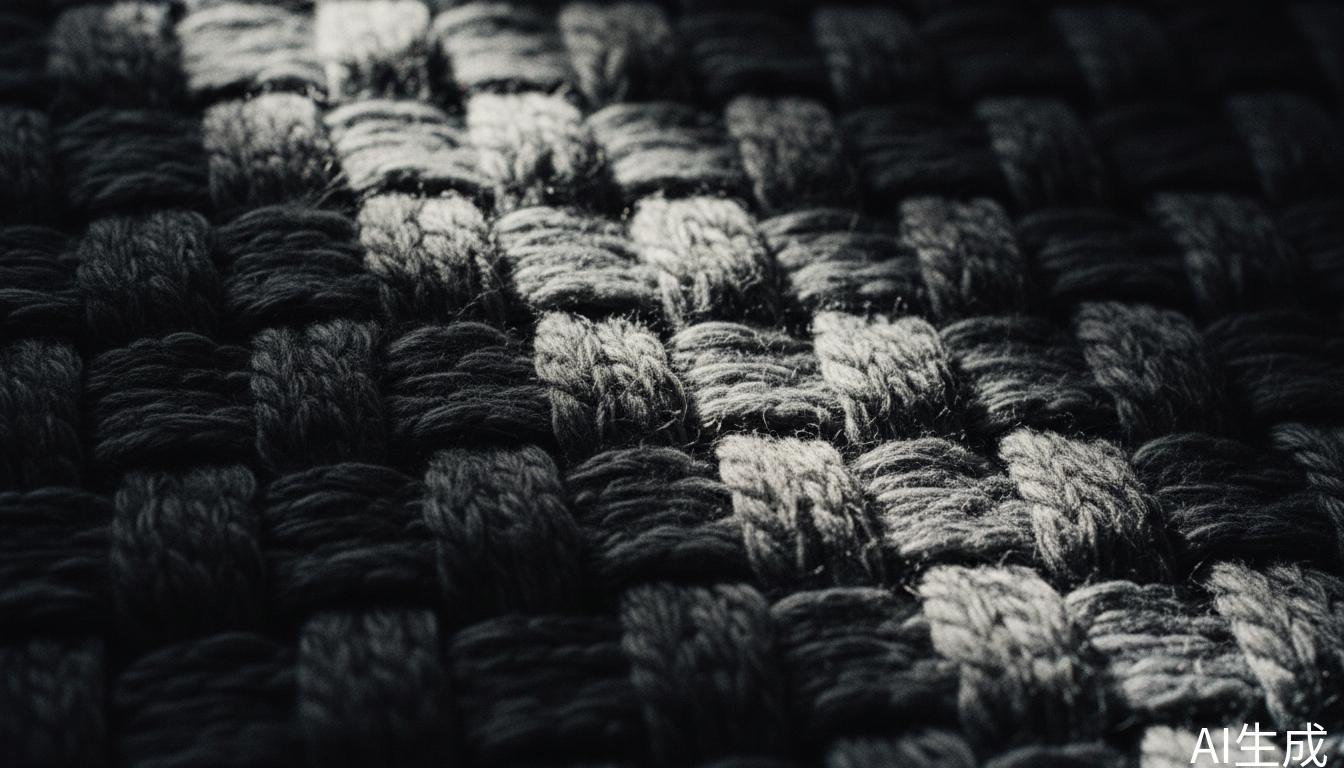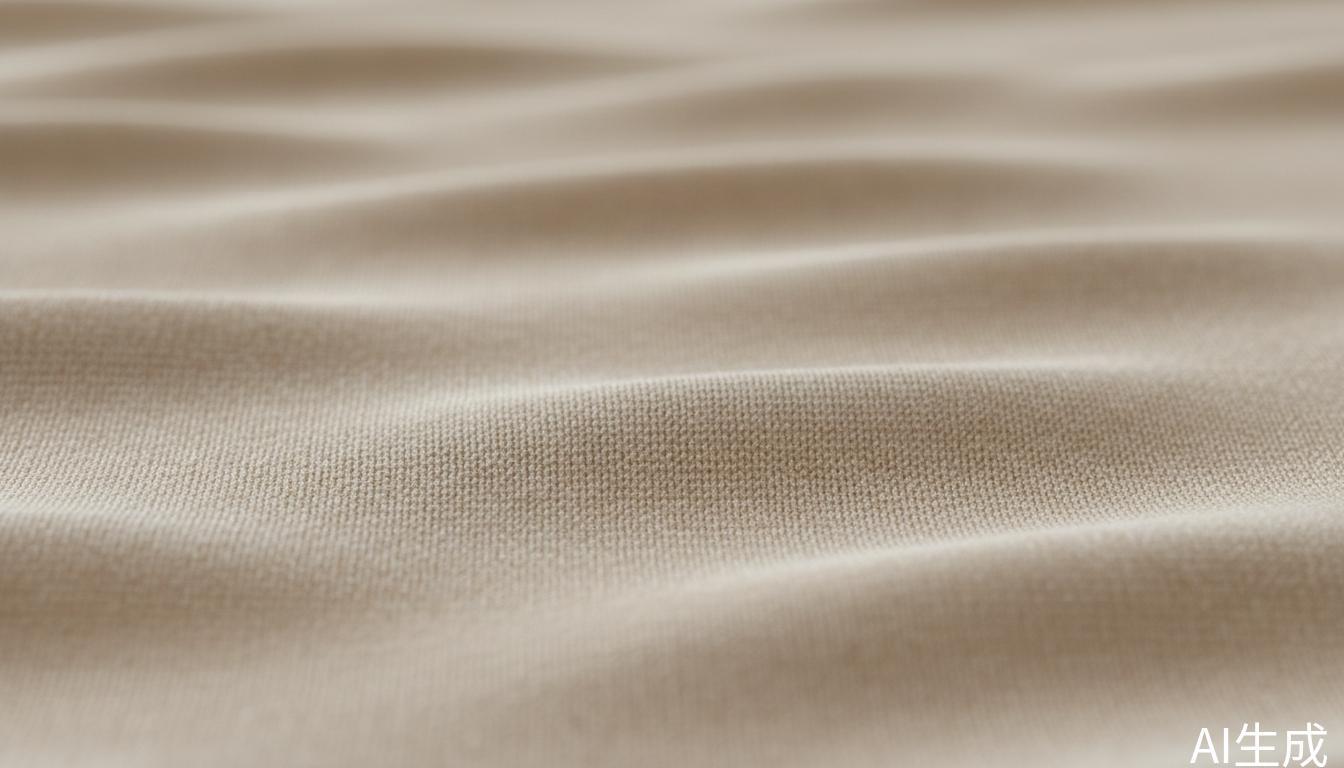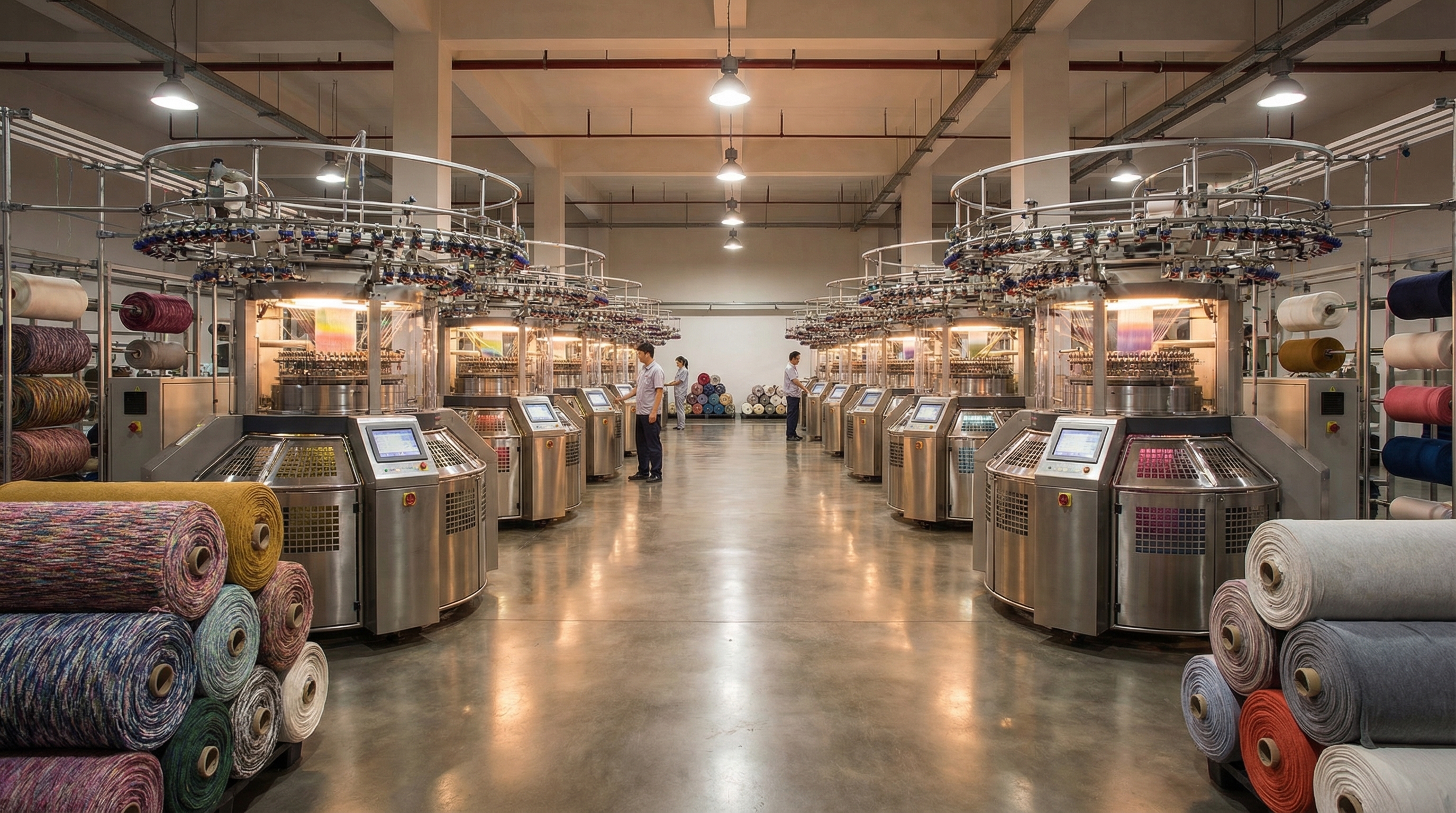
Many teams assume that “premium cotton” simply means using long-staple fiber or adding mercerization. Both matter, but neither works well in isolation. What buyers usually describe as a more luxurious cotton hand comes from the way fiber, yarn, structure, and finishing support the same visual and tactile result.
Long-staple cotton builds the base, mercerization sharpens the finish
Long-staple cotton improves yarn smoothness, lowers hairiness, and gives the fabric a stronger quality baseline. Mercerization then pushes gloss, color depth, and dimensional stability further. Premium appearance usually comes from both layers working together.
The value of long-staple cotton starts at yarn level. Longer fibers produce cleaner yarn with fewer loose ends, which helps the fabric surface look more even. That matters for premium tees, fine-gauge interlocks, and polished pique programs where buyers judge quality at close distance.
Mercerization is more visible at finished-fabric level. It makes the fiber surface reflect light more evenly, which improves luster and color clarity. It also helps the fabric stay cleaner after wash, especially in dark shades where cheaper cotton fabrics often turn dull.
| Area | What long-staple cotton improves | What mercerization improves |
|---|---|---|
| Hand feel | Cleaner touch and lower fuzziness | More glide and a cooler hand |
| Appearance | More even yarn and surface | Sharper luster and richer color |
| Durability | Better strength and lower pilling risk | Better wash stability and less dullness |
| Best use cases | Fine jersey, interlock, premium basics | Polos, elevated tees, refined cotton programs |
Construction is what makes cotton look expensive instead of merely expensive to buy
The same fiber and finishing package can still lead to very different products depending on construction. In premium programs, fabric structure often does more for perceived value than adding one more marketing term.
Single jersey works well when the target is clean, close-to-skin, and refined. The challenge is not making it heavy. The challenge is making it compact, even, and stable after wash. Interlock is better when the garment needs more body and a neater silhouette without looking stiff.
Fine pique and subtle structured knits are useful when the brand wants a premium-casual or soft performance direction. They add texture without becoming noisy. That is often closer to what premium brands want: visible depth at close range, but a calm surface from a distance.
Useful directions for elevated cotton programs include:
- Fine-gauge interlock for premium basics and soft tailoring
- Fine pique for polos, travel pieces, and elevated casualwear
- Compact French terry for cleaner sweatshirt programs
- High-density jersey for premium tees with a firm, stable face
The real risk is not price, but instability after wash and wear
Premium cotton programs fail more often because they are unstable than because they are too expensive. A beautiful first sample means very little if the bulk turns fuzzy, twists, or loses its surface after several washes.
The most common problems are familiar:
- A shiny first impression that turns grey or hairy after wash
- A smooth hand with poor seam stability and body rotation
- Strong dye depth but weak color clarity in navy or black
- Softness without enough body, so the garment looks cheap on hanger
For premium brands, “soft” is rarely enough. The fabric must feel smooth, look clean, and hold shape at the same time. If one of those three breaks, the premium impression disappears quickly.
What to check during sampling
Sampling discussions often stay too subjective. A better approach is to review a few repeatable checkpoints that explain whether the fabric can really support a premium program.
- Match yarn count to structure. Finer yarn is not automatically better if the construction becomes too weak or too flat.
- Confirm where mercerization is applied. Yarn mercerization and fabric mercerization create different visual and physical outcomes.
- Review weight together with density. Premium appearance often comes from compactness rather than simple heaviness.
- Test wash shrinkage and spirality early. Single jersey especially needs this under control before bulk.
- Check face clarity after dyeing. Dark shades should be evaluated for barriness, uneven reflection, and haze.
If your team is still refining wash and finishing judgment, our earlier piece on dyeing quality control and colorfastness is a useful companion because it connects premium appearance with bulk stability.
A premium result usually comes from restraint, not from stacking concepts
Most premium cotton programs do not need overly complicated storytelling. A stronger route is to improve a base cotton knit methodically across fiber, yarn, structure, and finishing.
| Development stage | Priority | Purpose |
|---|---|---|
| Fiber and yarn | Confirm staple quality, yarn count, and end use | Build a smoother base |
| Construction | Choose jersey, interlock, pique, or terry by garment role | Set body and surface direction |
| Finishing | Decide on mercerization, preshrink, softening, or light brushing | Improve surface completion |
| Validation | Review wash stability, color clarity, and surface cleanliness | Expose bulk risk early |
That is usually where the real value sits. Brands do not remember a fabric because it used a fashionable term. They remember it because it stayed clean, wearable, and convincing over time.
If you want a premium cotton basic, prioritize clarity, stability, and longevity
The best cotton fabrics for premium brands are rarely the loudest ones. They hold up after wash, keep their face, and still feel intentional on body. Long-staple cotton gives you the foundation. Mercerization improves the finish. Construction and process control decide whether the final fabric actually earns a premium position.
For elevated tees, polos, light sweatshirts, or close-to-skin basics, the most practical goal is simple: make the fabric cleaner, steadier, and more durable before trying to make it sound more technical.