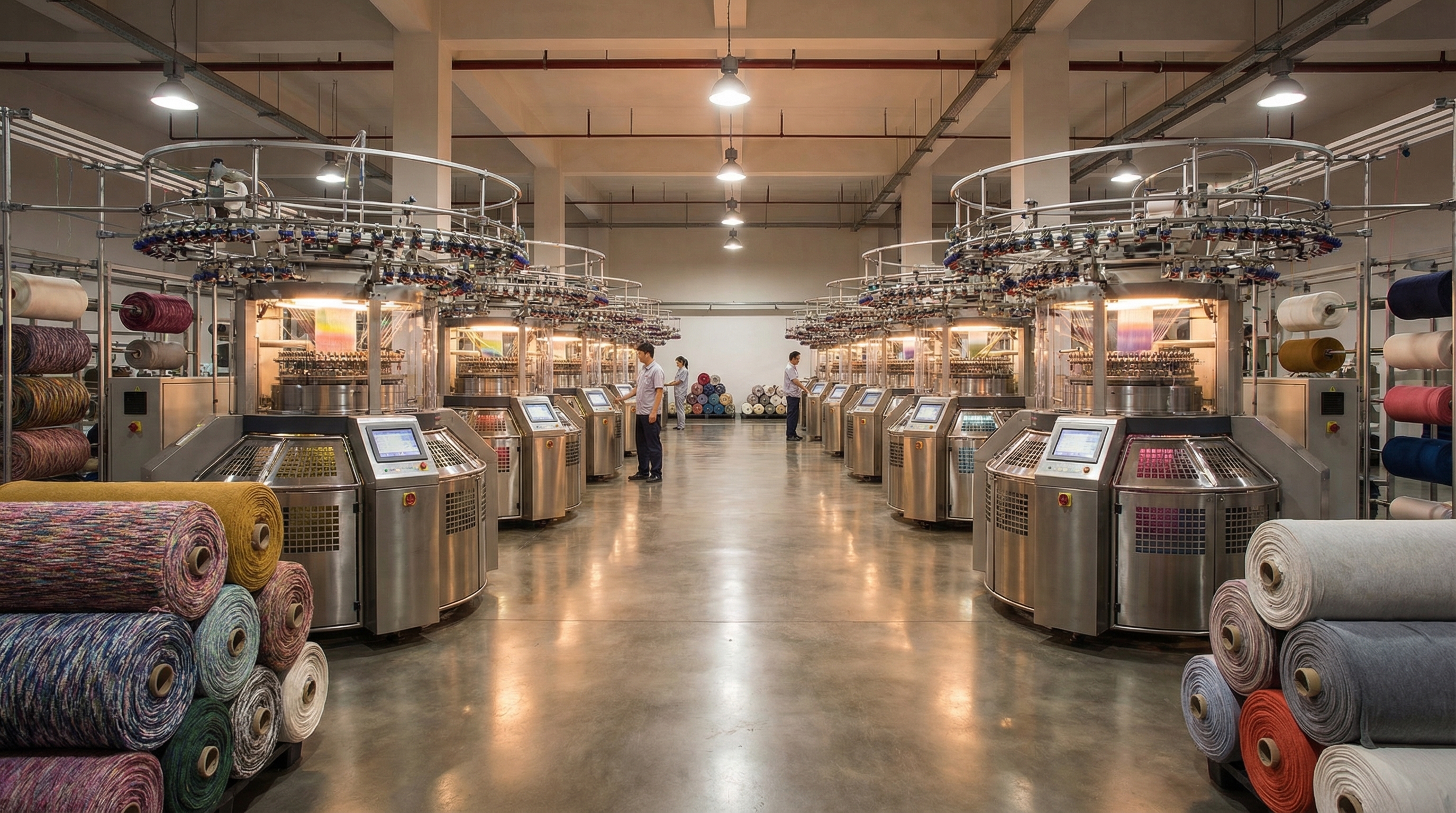
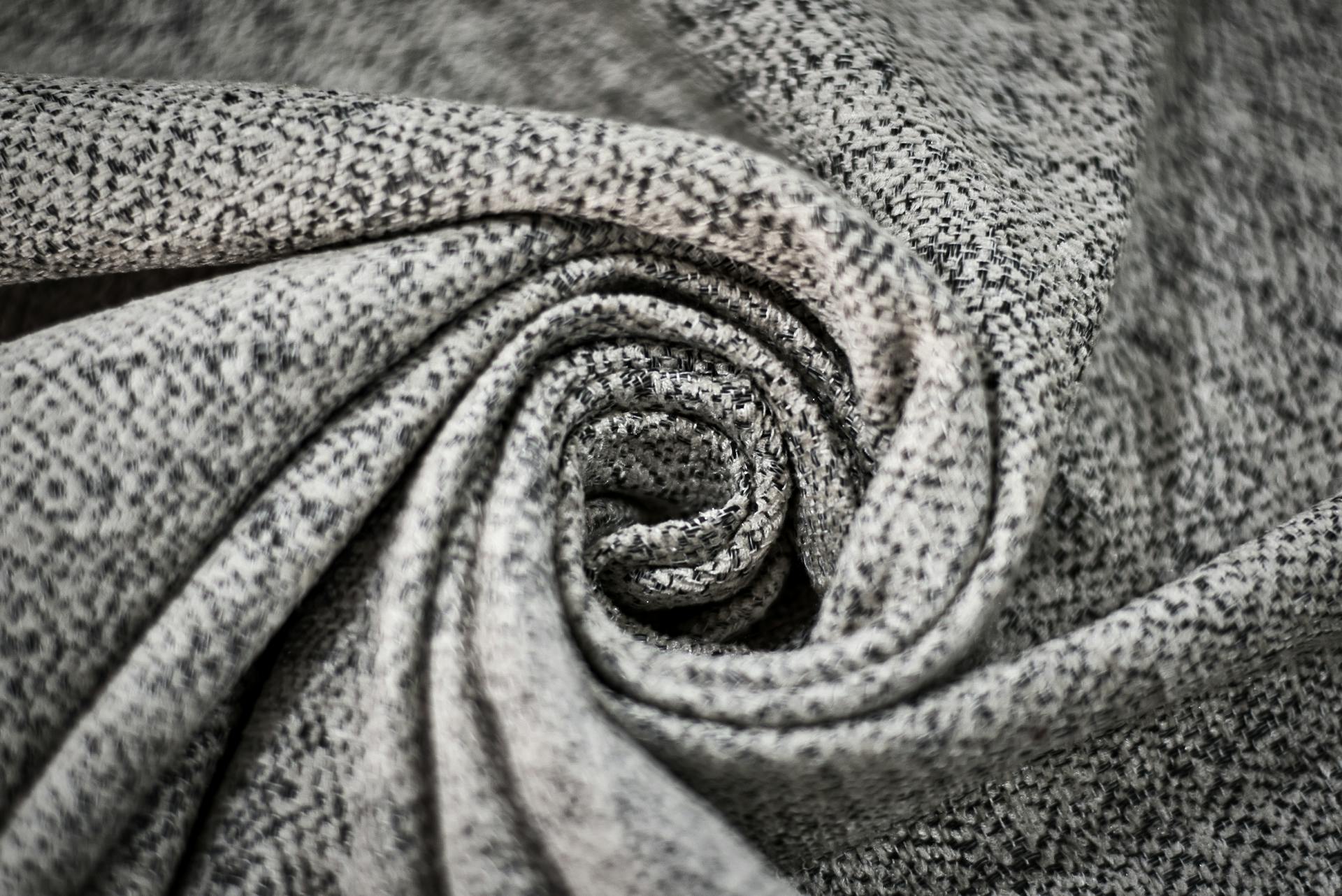
Many fabric conversations start too early with “do you want cotton or nylon?” That is usually the wrong first question. Buyers should start with this instead: what does the garment need most?
Different categories care about different things. Activewear usually prioritizes moisture control, recovery, and abrasion resistance. Casualwear often prioritizes skin comfort, drape, and everyday ease. Commuter or knit-tailored styles care more about shape retention, surface cleanliness, and all-day appearance.
Start With End Use, Not Fiber Identity
Cotton, nylon, polyester, modal, Tencel, and blends all have value, but none of them are the answer by themselves. The useful question is whether their behavior matches the garment application.
A stronger decision sequence is:
- define the wearing scenario first
- rank the top two or three performance needs
- choose the fiber and construction combination after that
That keeps the material choice tied to the product instead of trend language.
Where Cotton and Cotton-Rich Knits Make More Sense
Cotton still has a strong position for good reasons. It is familiar, breathable, skin-friendly, and commercially easy to use. It remains a stable base for tees, loungewear, kidswear, light casualwear, and many sweatshirt programs.
But it also has clear limits:
- it absorbs moisture quickly, but does not always dry quickly
- it feels natural, but does not offer the best recovery
- it is comfortable, but not the strongest answer for high-friction or high-stretch use
If the product needs natural comfort and a non-technical handfeel, cotton-rich routes are usually the safer choice.
Where Nylon and Stretch Blends Work Better
Nylon is stronger in abrasion resistance, strength, and recovery. It fits better in:
- body-hugging activewear
- yoga and training styles
- cycling and light outdoor products
- swim and stretch base layers
These categories depend more on shape support, repeated movement, and resilience under use. Nylon is rarely chosen because it feels more natural. It is chosen because it handles stress better.
Still, when the garment needs a softer or more everyday feel, pure nylon can become too technical. That is where blending becomes useful.
How Category Changes the Fabric Answer
Activewear
Good activewear decisions should not stop at “moisture wicking.” Buyers should also check:
- whether recovery remains stable after repeated stretch
- whether the surface pills under friction
- whether the fabric feels overly warm after sweating
- whether wash cycles change fit or compression
These projects often favor nylon, polyester, and elastane combinations, or blends with functional finishing support.
Casualwear
Casualwear usually sells a mood as much as a spec. Many programs are really selling ease, softness, drape, or a relaxed premium look. That leaves space for cotton, cotton-modal, cotton-Tencel, and balanced cotton-poly routes.
For casualwear, useful questions are:
- does it feel easy to wear?
- does it hold up after washing?
- does the cost fit the target price band?
- does the surface create enough visual identity?
Commuter and Knit-Tailored Styles
Traditional formalwear remains mostly woven, but the growth of knit-led commuter dressing means more stable knit constructions are entering that space. Here the goal is not softness alone. It is:
- structure
- surface neatness
- recovery
- appearance retention over a full day
That often pushes the answer toward denser structures, interlocks, stable ribs, double knits, or blends with stronger rebound.
Blending Is Often More Practical Than Purity
In real development, the most stable commercial answer is often not 100% of one fiber. It is a blend that balances multiple needs.
For example:
- cotton + elastane keeps comfort while improving recovery
- cotton + nylon adds durability and structure
- Tencel + cotton softens handfeel and improves drape
- nylon + elastane strengthens support and movement
- polyester + cotton balances cost, stability, and daily wear
The value of blending is not that it sounds more technical. The value is that it builds a more usable performance combination for the actual garment.
Do Not Skip the Base Performance Checks
Whether the route is cotton or nylon, buyers should still confirm:
- whether the weight suits the garment category
- whether stretch and recovery are strong enough
- whether wash shrinkage stays acceptable
- whether pilling, abrasion, and colorfastness fit the customer expectation
- whether the final handfeel can repeat after dyeing and finishing
If those points are weak, the material story will not protect the bulk order later.
Fabric Selection Is Really a Trade-Off Exercise
No knit fabric is best at everything. Selection is always a trade-off:
- more natural usually means some functional compromise
- stronger performance can change comfort and handfeel
- stronger stability may require higher cost or a different surface feel
The goal is not to find the perfect fabric in theory. It is to find the fabric that is most correct for the category.
A Better Internal Method: Build by Category
For brands handling many styles each season, the most practical approach is to build an internal review table by category:
- what is the core requirement for this garment type
- which material routes should be checked first
- what weight and stretch range is acceptable
- which risks must be cleared before sampling
Once that table exists, the cotton-versus-nylon debate becomes much more useful. It stops being a material argument and becomes a product decision.