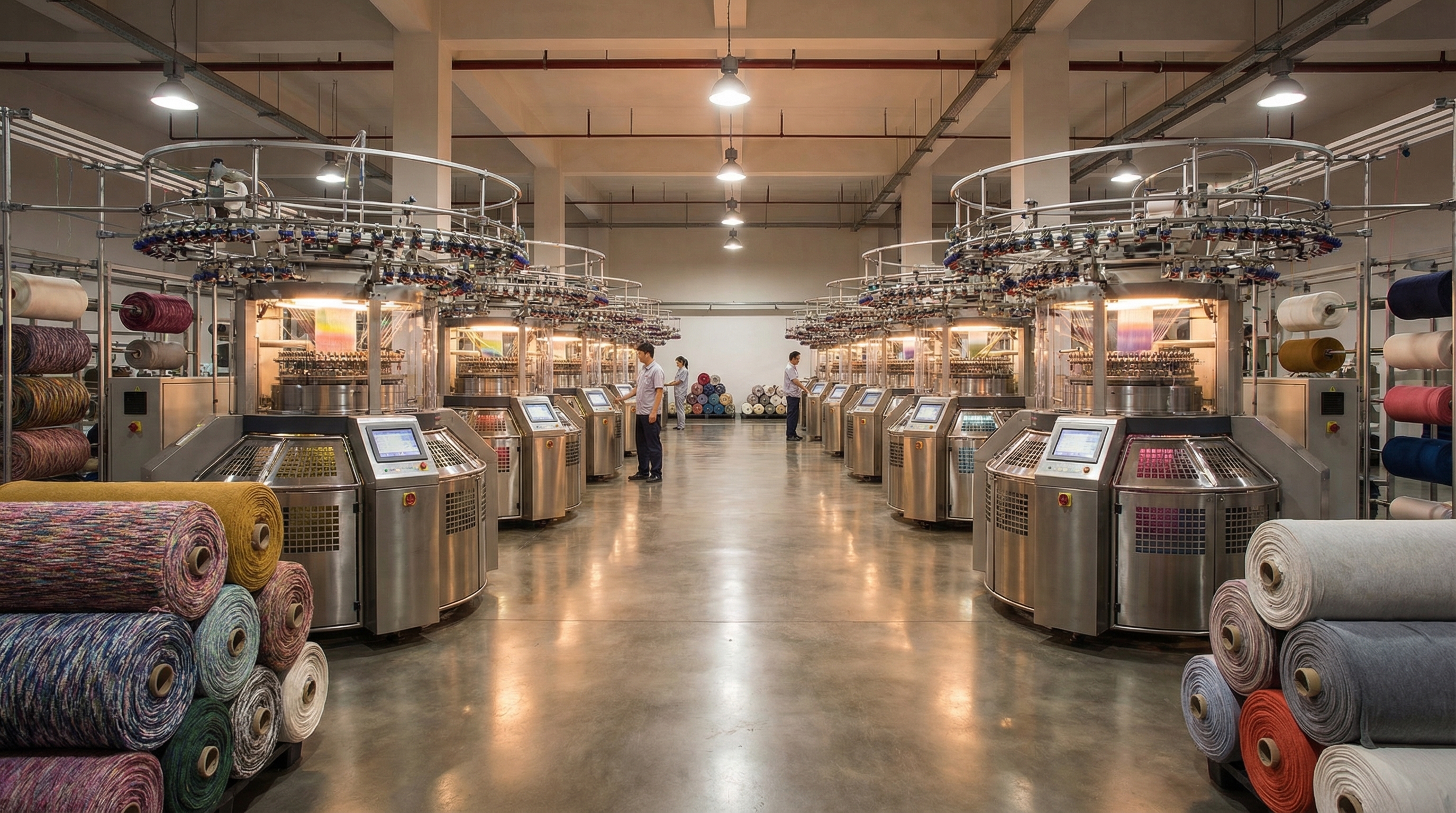
Many teams describe Guangzhou as a place with “complete supply chain resources” and “convenient logistics,” but those phrases become too vague once a project moves into execution. For teams serving Europe and Southeast Asia, Guangzhou matters less because one single node is the cheapest, and more because port, airport, rail, sampling, factory coordination, and shipment planning can be compressed into one shorter operating chain.
That matters because Europe and Southeast Asia do not reward the same behavior. European orders usually depend on compliance discipline, documentation accuracy, and delivery predictability. Southeast Asia usually rewards faster reaction, smaller batch flexibility, and easier replenishment scheduling.
Guangzhou’s Value Is Not Just “Shipping Fast”
If you only compare port volume or flight count, Guangzhou is not the only answer in China. Its practical advantage is that the distance between supply chain nodes is short and the switching cost between them is relatively low.
That changes three things:
- Development decisions happen earlier because mills, markets, and logistics options can be checked together.
- Order changes are easier to absorb when color, split shipments, or replenishment requests appear late.
- Total cost is easier to control because hidden costs from rework, delay, and inventory are reduced.
The Infrastructure Base Is Broad Enough for Different Order Types
Guangzhou can support complex export programs because the logistics base is diversified:
- Guangzhou Port gives ocean freight depth, with Nansha stronger for deep-sea routes and Huangpu more practical for regional shipping and support services.
- Baiyun Airport supports sample shipments, urgent replenishment, high-value cargo, and time-sensitive deliveries.
- Rail links provide a middle option for Europe when sea is too slow and air is too expensive.
- Multimodal planning makes it possible to combine ocean, rail, road, and air around one project instead of treating them separately.
- Digital trade and customs platforms improve transparency, document flow, and exception response.
The point is not that one route is always best. The point is that Guangzhou gives buyers more route options without forcing them to rebuild the supply chain from zero each time.
Europe Orders Reward Stability More Than Cheap Freight
For Europe, logistics strategy cannot be separated from compliance strategy. Buyers usually care about:
- whether lead time is predictable
- whether test and certification support is ready
- whether labels, packaging, and customs documents stay consistent
- whether repeat orders can follow the same standard
That is why the Guangzhou advantage for Europe is not “find the cheapest freight.” It is building a more stable delivery path.
For regular bulk shipments, ocean freight remains the main route. For inland European destinations, ocean plus rail distribution often makes more sense than treating the shipment as one last-mile problem. For medium-urgency programs, rail can balance time and cost better than air. For urgent replenishment, air works, but it only solves timing. It does not fix unclear specs or weak document control.
Europe Projects Need Compliance Built Into the Route Early
One of the biggest sourcing mistakes is treating compliance as a later-stage paperwork issue. In practice, it changes route design from the beginning.
European programs may involve:
- REACH, RoHS, CE, or WEEE related product requirements
- packaging and sustainability rules
- carbon disclosure pressure and CBAM-related planning
- VAT and customs process changes
- stricter documentation alignment across invoice, packing list, bill of lading, and origin files
If those points are not locked early, faster logistics can actually make the problem worse by accelerating the shipment of incomplete work.
Southeast Asia Orders Depend More on Speed and Batch Flexibility
Southeast Asia is not one uniform market. Customs digitization, infrastructure quality, and buyer expectations vary widely across countries. But compared with Europe, the operating pattern is usually more fragmented:
- smaller or more frequent orders
- higher sensitivity to price movement
- faster replenishment cycles
- stronger need for split shipments and mixed schedules
That makes Guangzhou useful in a different way. The strength here is high-frequency response and flexible dispatch.
Ocean freight is still the main route for standard bulk orders. Land transport matters more for nearby markets such as Vietnam. Air is useful for urgent goods and cross-border e-commerce parcels. Sea-rail combinations can help when cargo must move from coastal ports into inland destinations.
Transport Structure Should Be Decided Early, Not at the End
Many teams confirm the fabric first and only ask “how should we ship it?” after sampling or bulk approval. That usually creates preventable problems, because transport structure affects:
- what lead time can be promised
- how inventory should be prepared
- whether the order should ship in one batch or several
- whether samples and bulk need the same route
- how urgent replenishment will be handled
- when customs files and packaging standards must be locked
The stronger approach is to reverse-plan from the transport structure at the beginning of the project.
The Real Strength Is Fast Switching Between Nodes
When projects become unstable, what matters is not a single strong warehouse or a single good forwarder. What matters is whether the team can switch between nodes quickly:
- compress sampling when confirmation is late
- re-sequence finishing, inspection, and booking when lead time tightens
- reschedule split shipments when the customer changes the order structure
- move from one transport mix to another when cost or time pressure changes
That is where Guangzhou is strong. Markets, mills, forwarders, ports, and airport resources are concentrated enough that teams can often re-plan within the same network instead of rebuilding an entirely new one.
A Better Way to Use Guangzhou: Split the Route by Order Type
In practice, it is useful to divide projects into three types before choosing the route:
- Stable repeat orders. Focus on consistency, compliance support, batch control, and long-term delivery discipline.
- Fast development orders. Focus on sampling speed, dye and fabric switching flexibility, and cross-node coordination.
- Urgent replenishment orders. Focus on stock response, backup transport, split shipment planning, and temporary scheduling.
The most effective use of Guangzhou is not a general claim about “better logistics.” It is deciding whether the project needs delivery stability, response speed, or switching flexibility first, then using the city’s port, airport, rail, multimodal, and digital support around that logic.